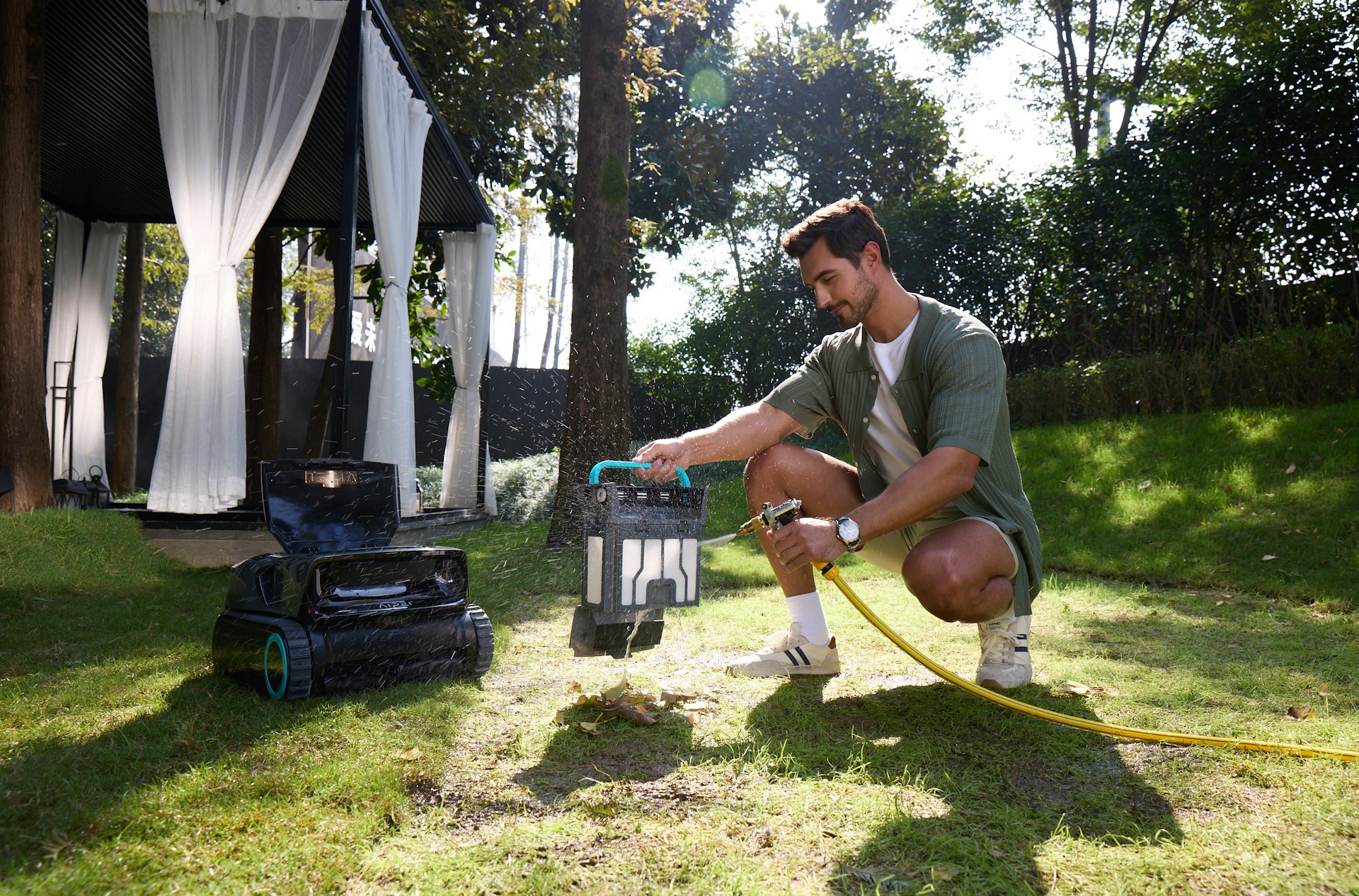
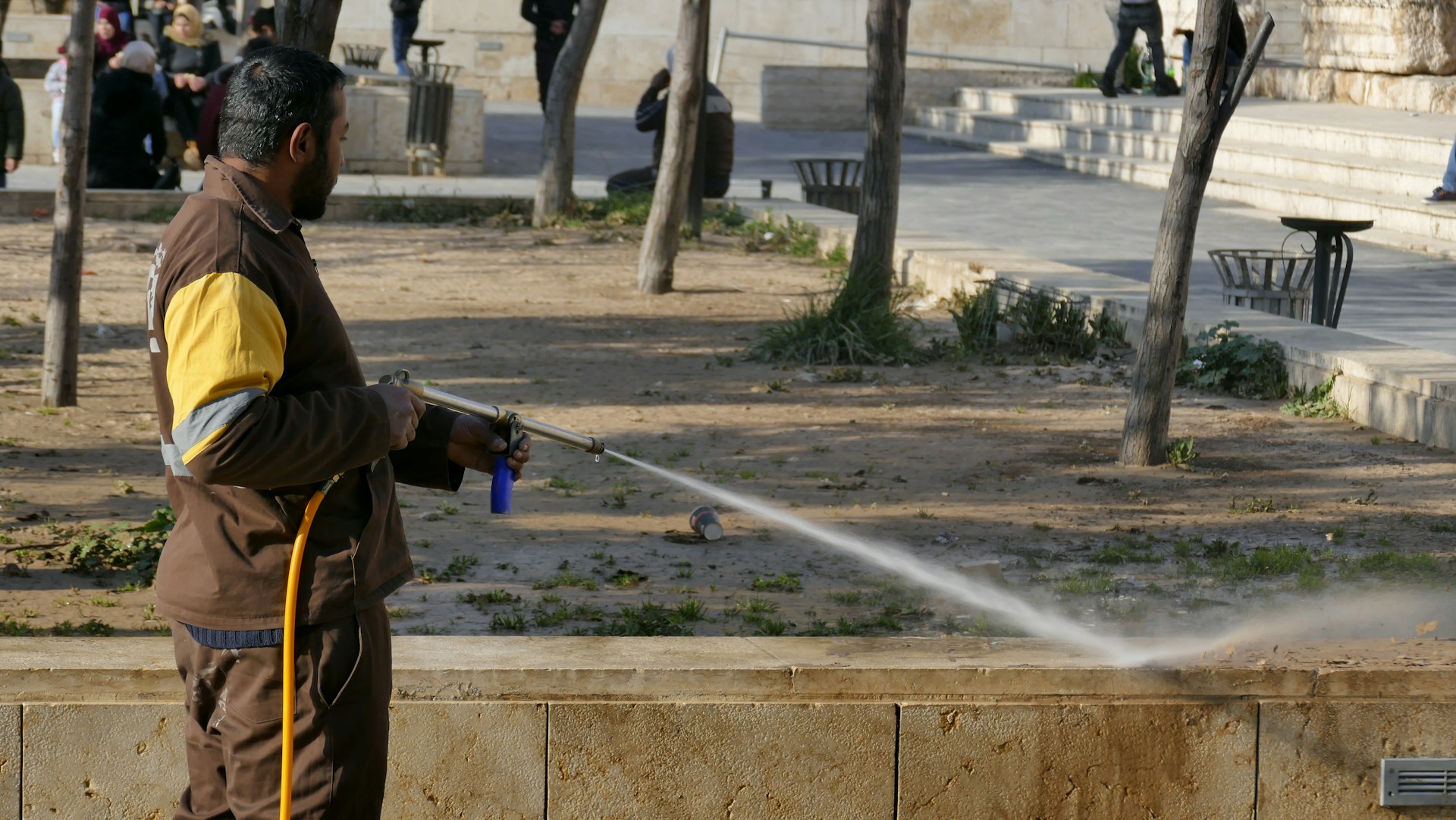
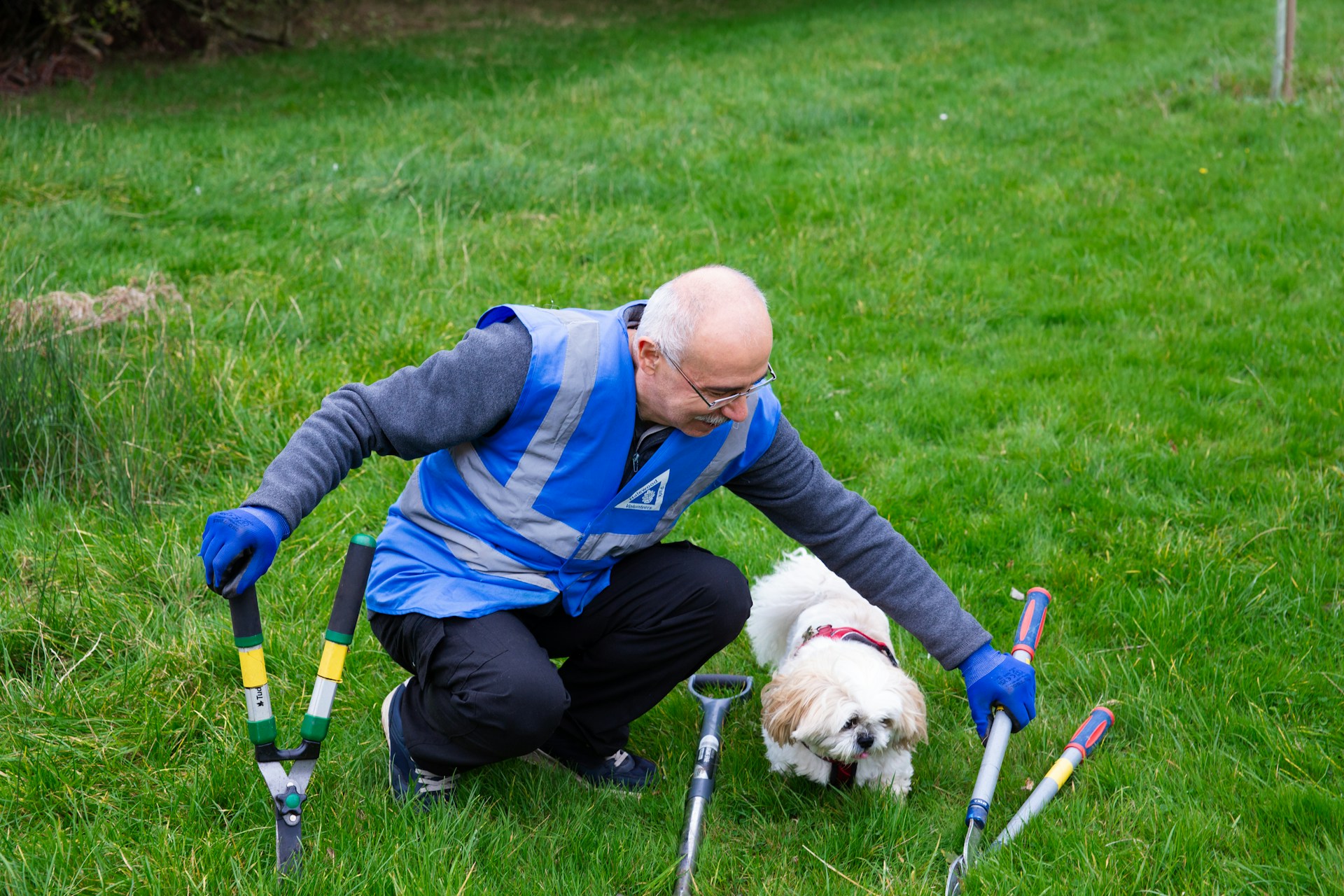
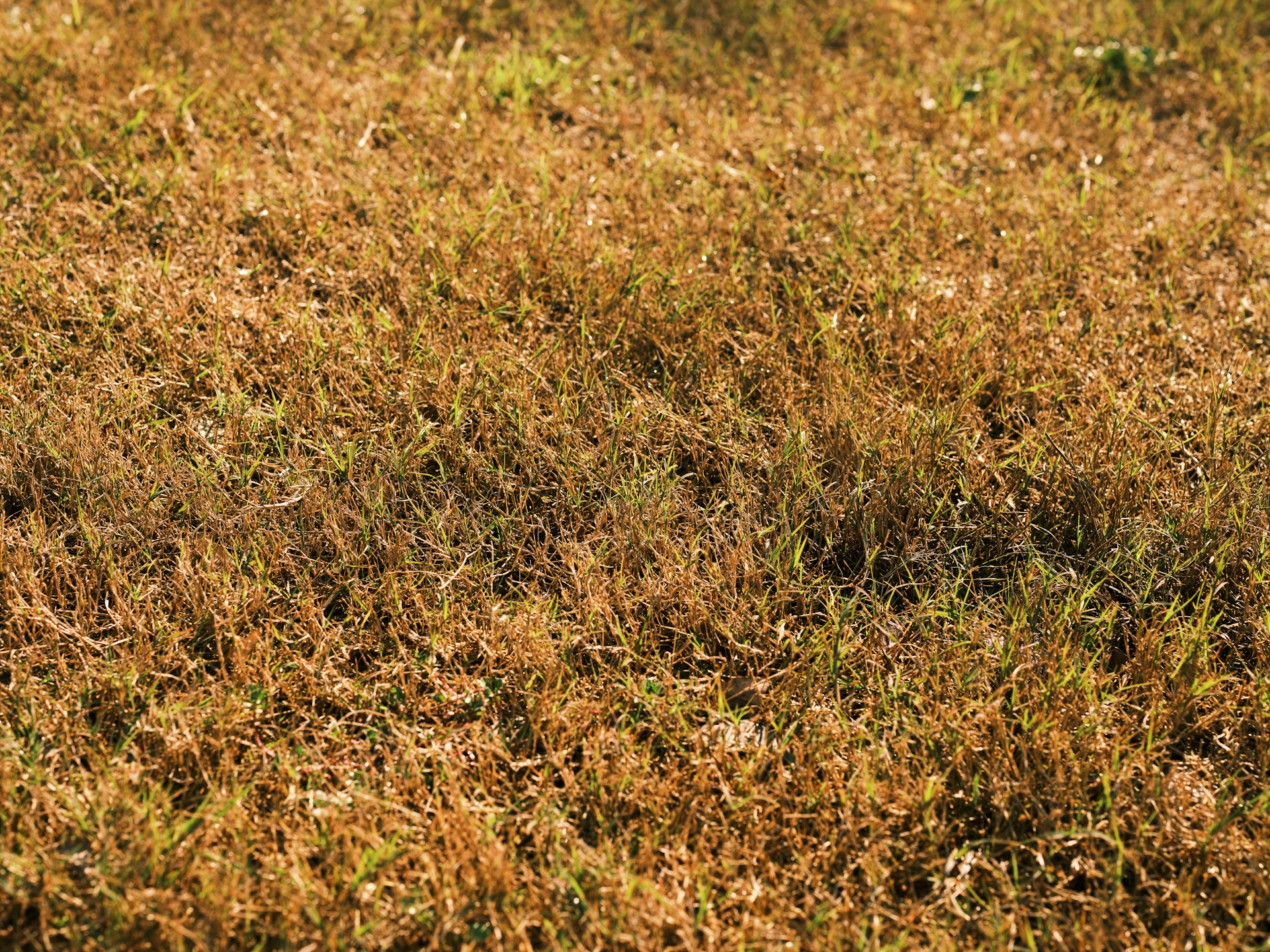
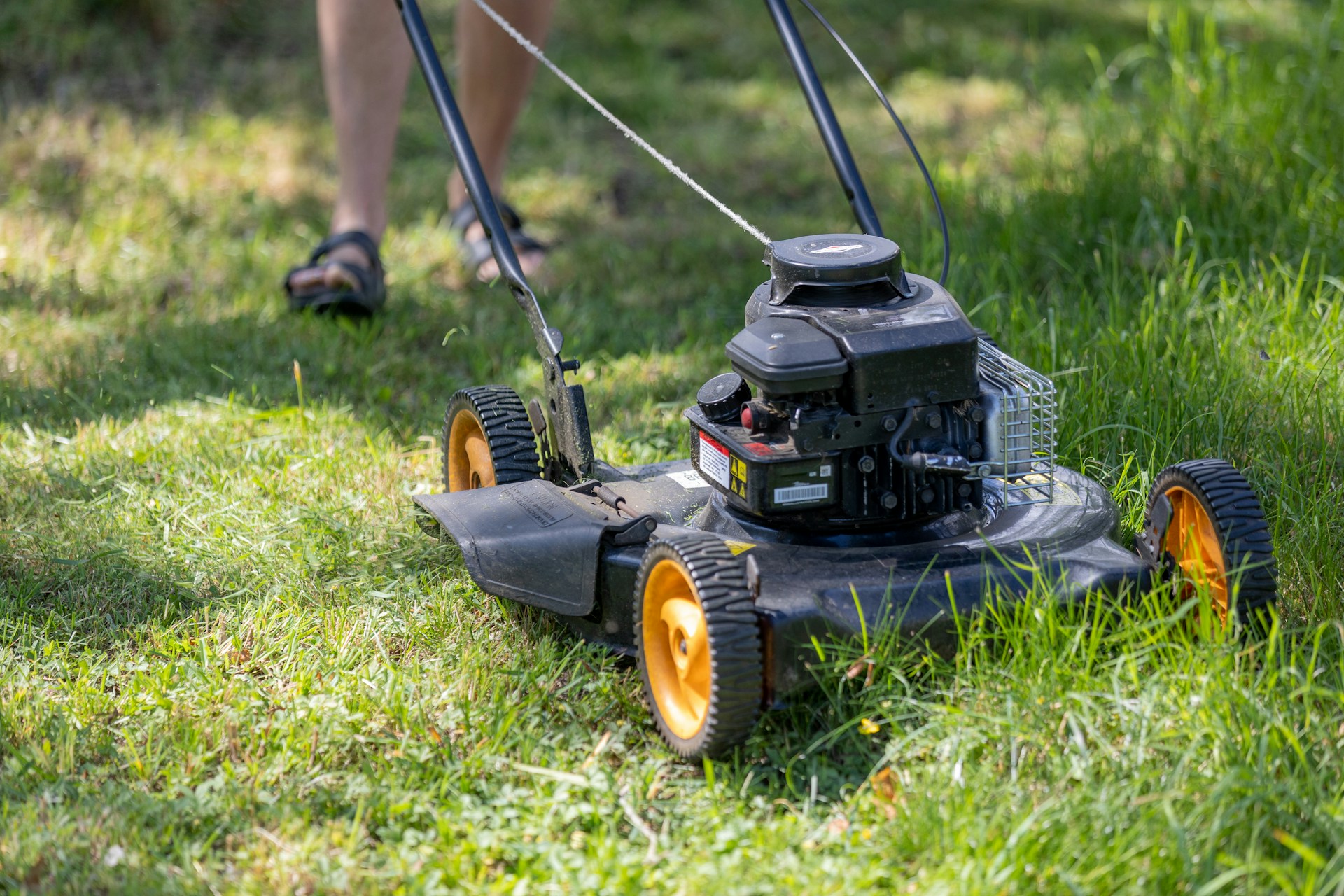
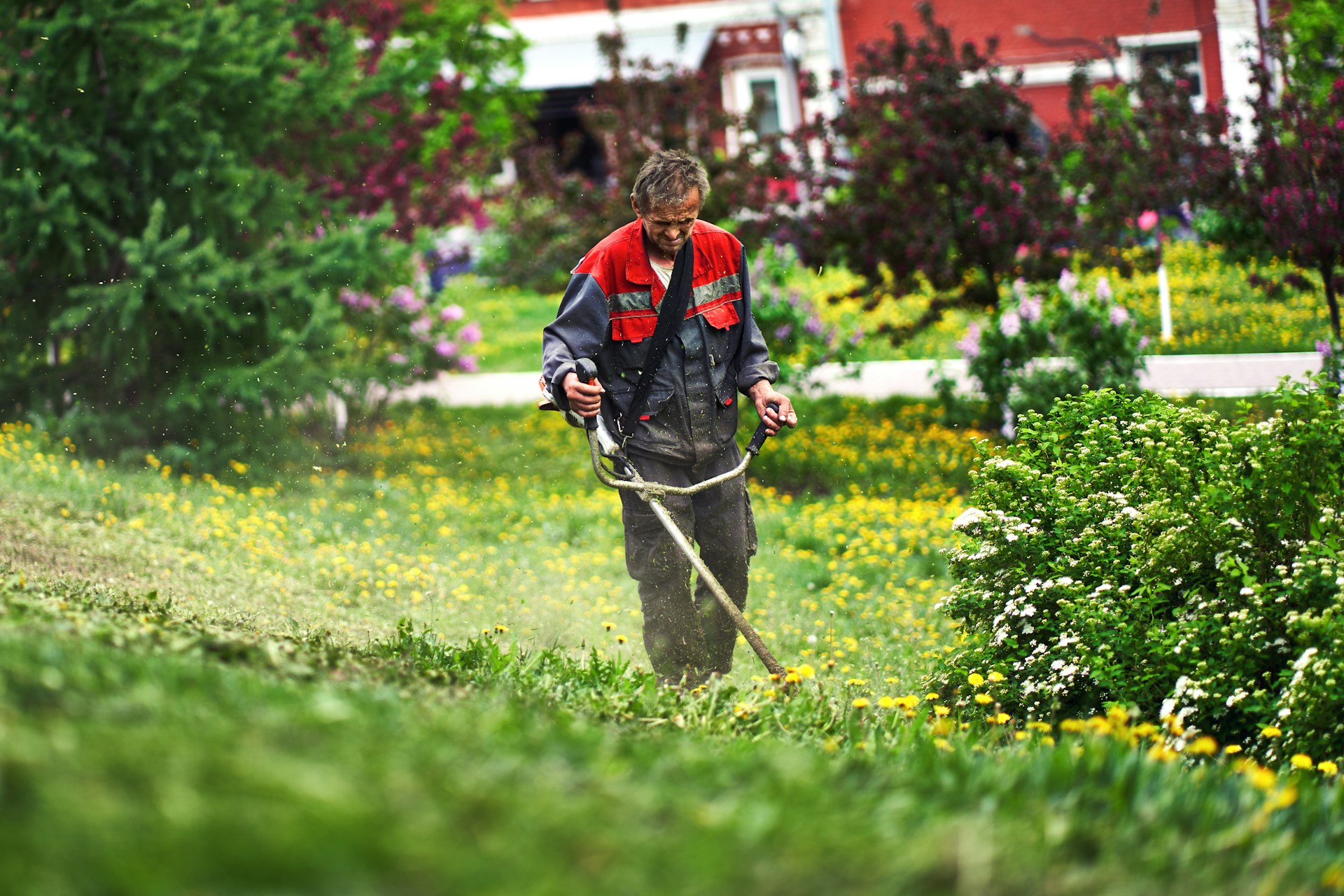
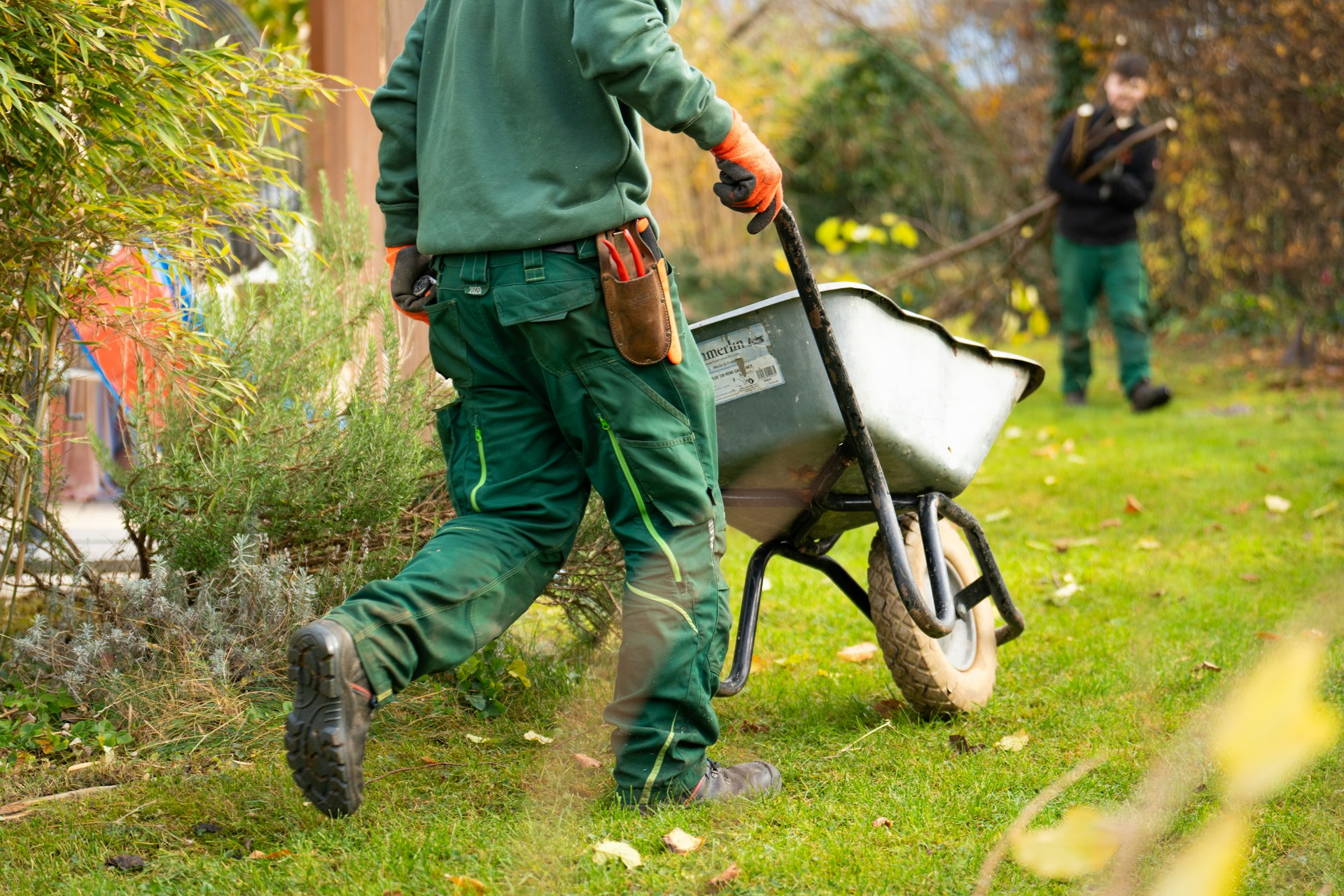
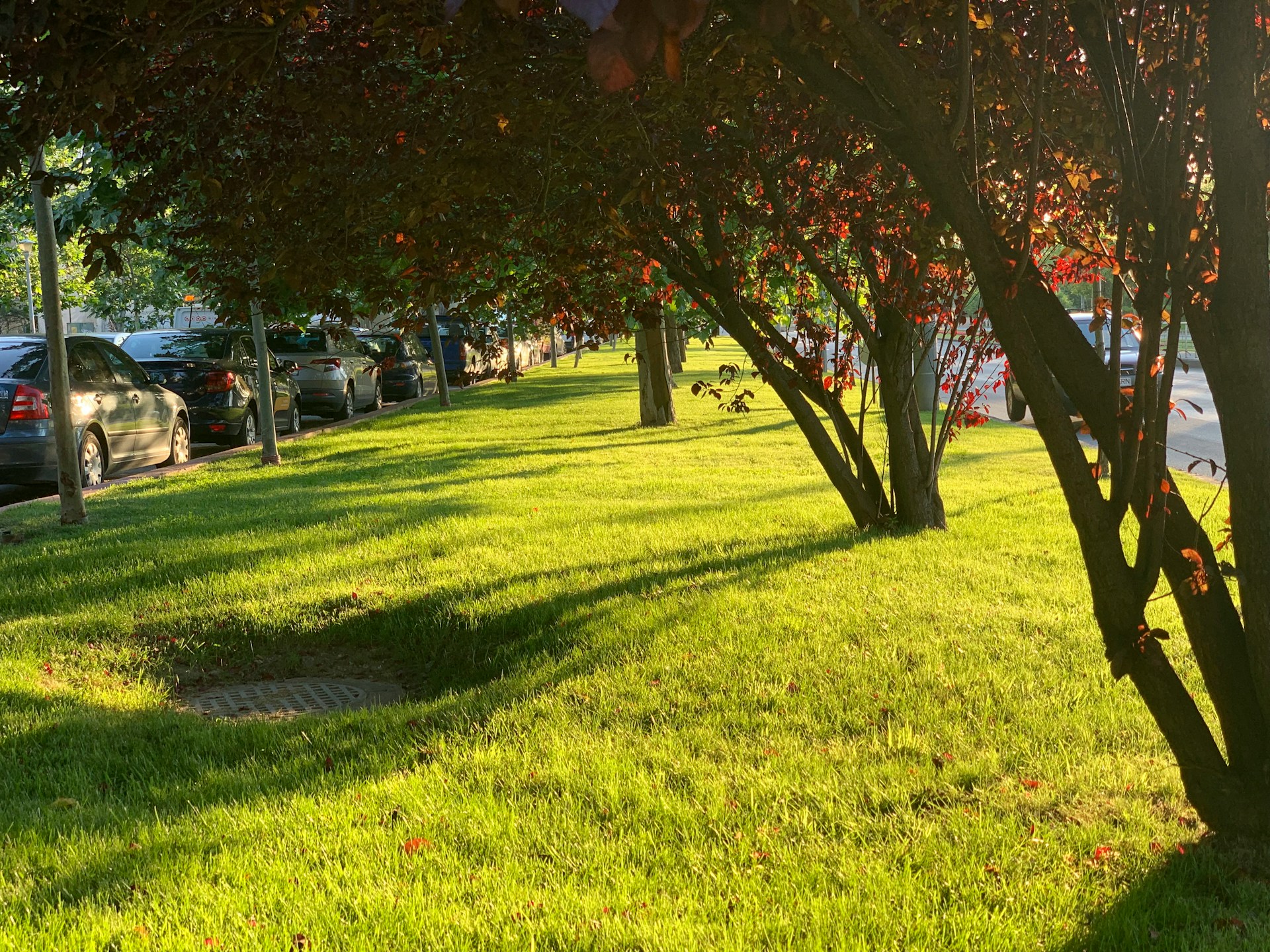
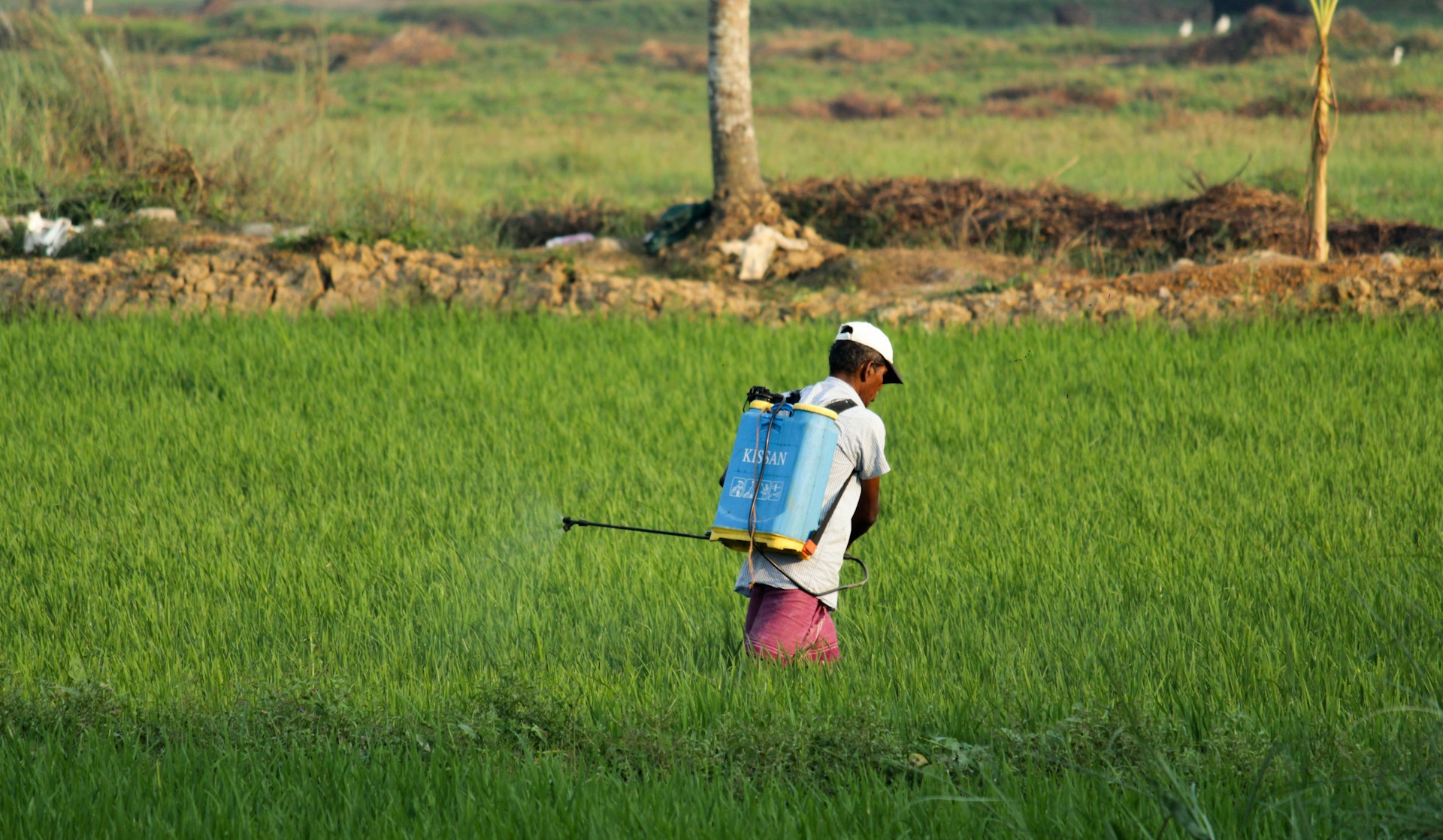
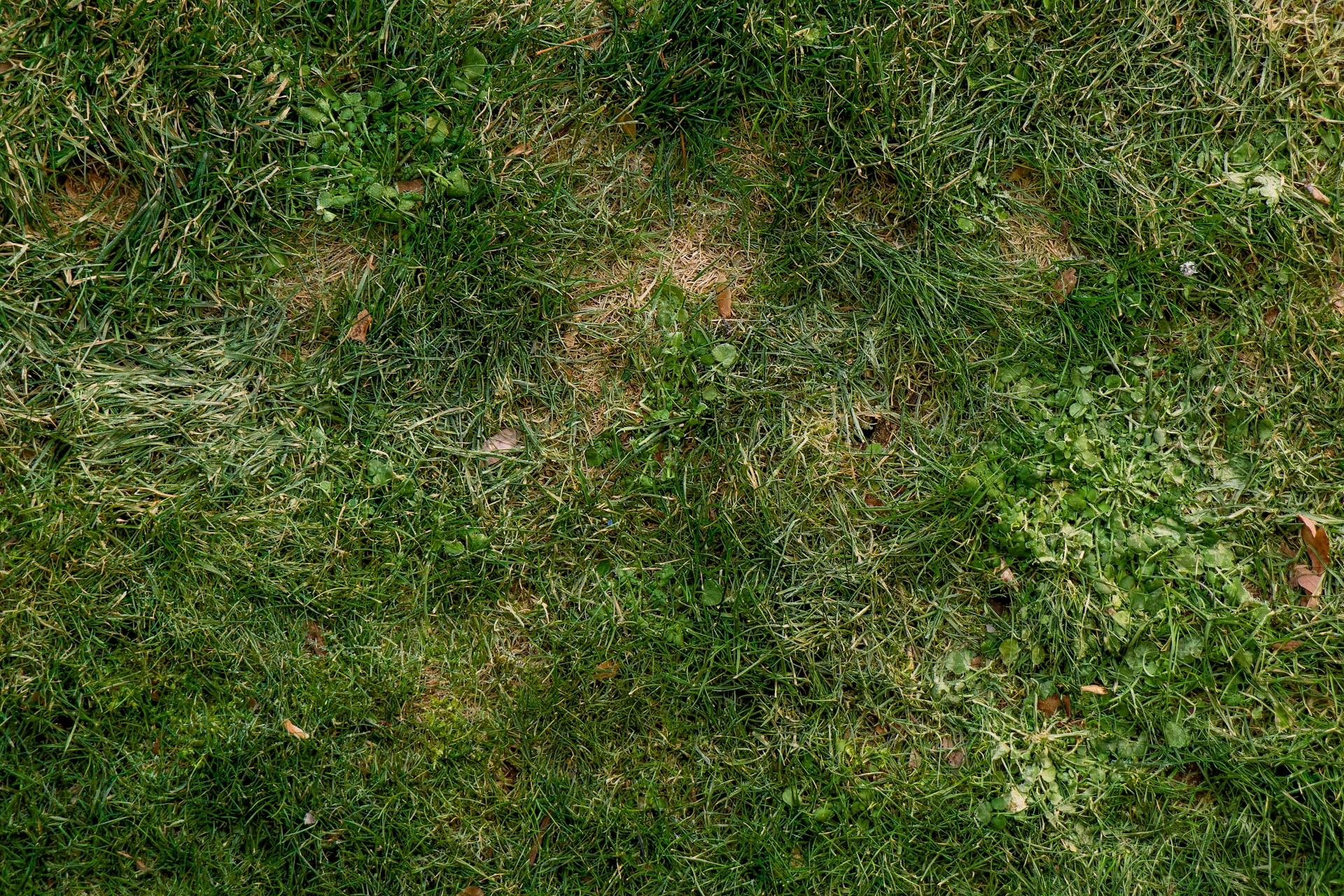
Lawn care can generally be divided into two main approaches: organic lawn care and chemical lawn treatments. Both methods aim to create healthy, attractive turf, but they differ significantly in materials, techniques, environmental impact, and long-term results. Understanding these differences helps homeowners choose the most suitable option for their lawn, lifestyle, and values.
Continue reading »
Weather plays a critical role in lawn health, influencing grass growth, root development, soil conditions, and overall turf resilience. Temperature, rainfall, sunlight, humidity, and wind all affect how grass responds to maintenance practices. Understanding how weather impacts lawns allows homeowners to adjust care routines and protect turf from stress and damage.
Continue reading »
For busy homeowners, maintaining a healthy and attractive lawn can feel overwhelming. Work schedules, family responsibilities, and limited free time often make regular lawn care difficult. However, a well-maintained lawn does not require constant attention when the right strategies are in place.
Continue reading »
A healthy, attractive lawn does not happen by accident. Many homeowners invest time and money into lawn care but still struggle with thin grass, weeds, bare patches, or discoloration. In most cases, the problem is not lack of effort but common lawn care mistakes that quietly undermine results. Understanding what to avoid is just as important as knowing what to do.
Continue reading »
Lawn care is a routine part of home maintenance, but it involves tools, chemicals, and physical activity that can pose serious risks if handled improperly. Many lawn-related injuries occur each year due to unsafe equipment use, lack of protective gear, or poor awareness of surroundings. Prioritizing lawn care safety protects not only homeowners but also family members, pets, and neighbors.
Continue reading »
A naturally green lawn is the result of healthy soil, strong root systems, proper mowing habits, and balanced nutrition. Grass color is not determined by chemicals alone but by how well the lawn ecosystem functions as a whole. When soil biology, moisture, and nutrients are in balance, grass develops deeper roots and richer green color without relying on synthetic treatments.
Continue reading »
For new homeowners, lawn care is often one of the first responsibilities that comes with owning a property. A healthy, well-maintained lawn enhances curb appeal, increases property value, and creates a welcoming outdoor space. Understanding the basics of lawn care early helps prevent costly mistakes and establishes strong growth habits that benefit the lawn for years.
Continue reading »
Proper lawn care starts with using the right tools. For homeowners, having essential lawn care equipment makes maintenance more efficient, safer, and more effective. The right tools not only save time and effort but also improve lawn health by allowing tasks to be performed correctly and consistently.
Continue reading »
Homeowners today often face a key decision when designing or maintaining their outdoor spaces: investing in natural lawn care or installing artificial turf. Both options offer distinct advantages and drawbacks depending on lifestyle, climate, budget, and long-term goals. Understanding the pros and cons of each helps homeowners make informed decisions that align with their property needs.
Continue reading »
A monthly lawn care calendar helps homeowners maintain a healthy, attractive lawn by organizing tasks throughout the year. Grass growth, soil activity, and weather conditions change constantly, and performing the right lawn care tasks at the right time prevents damage and reduces unnecessary work.
Continue reading »
Homeowners often face a decision between managing lawn care themselves or hiring professional lawn care services. Both approaches can lead to a healthy, attractive lawn, but they differ significantly in time commitment, cost, expertise, and long-term results. Understanding the differences between DIY lawn care and professional services helps homeowners choose the option that best fits their lifestyle and property needs.
Continue reading »
Restoring a dead lawn is one of the most common and most misunderstood challenges homeowners face. A lawn that appears completely brown, thin, or lifeless may not always be truly dead, but recovery time depends on several critical factors, including grass type, climate, soil condition, and the underlying cause of damage. Understanding how long lawn restoration takes helps set realistic expectations and ensures proper planning for watering, seeding, and ongoing lawn care.
Continue reading »
The cost of lawn care in the United States varies widely depending on location, lawn size, service type, and the level of care required. Homeowners often ask how much lawn care costs because pricing is not standardized and can change seasonally. Understanding average lawn care prices helps homeowners budget properly and decide whether to manage lawn maintenance themselves or hire professional lawn care services.
Continue reading »
Lawn mowing costs per month in the United States vary significantly by state due to differences in climate, labor rates, fuel prices, lawn size, and service frequency. Homeowners searching for lawn mowing cost per month by state are typically looking for realistic budget expectations and a better understanding of regional pricing trends. While exact prices depend on local providers, clear patterns emerge across different parts of the country.
Continue reading »
Lawn fertilization is a critical part of maintaining a healthy, green, and resilient lawn. For homeowners researching a lawn fertilization cost guide, understanding pricing structures, service options, and cost-influencing factors is essential for budgeting and long-term lawn care planning. Fertilization costs in the United States vary widely based on lawn size, location, treatment type, and service frequency.
Continue reading »
Weed control services are an essential component of effective lawn care, helping homeowners maintain healthy, attractive turf while preventing invasive plants from spreading. Understanding weed control service pricing allows homeowners to budget accurately and choose the right treatment plan for their lawn. Pricing varies depending on lawn size, weed severity, treatment method, and geographic location.
Continue reading »
Lawn aeration is a vital lawn care service that improves soil health, encourages deeper root growth, and enhances overall turf appearance. Homeowners searching for a lawn aeration cost guide want to understand pricing, service options, and the factors that influence costs. While aeration is typically performed once or twice per year, its long-term benefits make it a worthwhile investment.
Continue reading »
Choosing the best lawn care packages allows homeowners to maintain a healthy, attractive lawn without the stress of managing individual services. Lawn care packages combine essential treatments into a structured plan designed to support turf health throughout the year. Understanding what these packages include and how they are priced helps homeowners select the most effective solution for their property.
Continue reading »
Choosing the best lawn care company is an important decision for homeowners who want a healthy, attractive, and well-maintained lawn. With many providers offering similar services, understanding how to evaluate lawn care companies helps ensure reliable results, fair pricing, and long-term lawn health. The right company acts as a partner in maintaining your outdoor space, not just a service provider.
Continue reading »
Hiring a lawn care service is an important investment in the health, appearance, and long-term value of your property. Asking the right questions before hiring a lawn care service helps homeowners avoid hidden costs, poor results, and unreliable providers. A professional lawn care company should be transparent, knowledgeable, and willing to explain how they will care for your lawn.
Continue reading »
One-time lawn cleanup services are designed to address specific, often seasonal, issues that affect the appearance and health of a lawn. These services are typically requested during transitional periods such as early spring, late fall, or after extreme weather events. A one-time cleanup focuses on removing accumulated debris, dead grass, fallen leaves, branches, and other organic matter that can suffocate turf and create conditions for pests and disease.
Continue reading »
Residential lawn care services are designed to meet the needs of homeowners who want a healthy, attractive, and well-maintained lawn around their private property. These services focus on curb appeal, turf health, and the overall enjoyment of outdoor living spaces. Residential lawns are typically smaller in size and require a personalized approach that reflects the homeowner’s preferences, budget, and lifestyle.
Continue reading »
A professional lawn care service is designed to provide comprehensive, ongoing maintenance that keeps a lawn healthy, attractive, and resilient throughout the year. Unlike basic mowing-only solutions, professional services take a holistic approach to turf health, combining routine maintenance with specialized treatments tailored to grass type, soil conditions, and local climate.
Continue reading »
Choosing the wrong lawn care company can lead to poor results, wasted money, and long-term damage to your lawn. While many providers promise lush, green grass, not all deliver professional, reliable service. Knowing how to spot a bad lawn care company helps homeowners protect their property, budget, and lawn health.
Continue reading »
Many homeowners wonder whether investing in professional lawn care is truly worth the money. With the costs of mowing, fertilization, weed control, and seasonal treatments, it is natural to question the return on investment. Understanding what lawn care provides and how it impacts property value, time savings, and long-term lawn health helps homeowners make informed decisions.
Continue reading »
Lawn care contracts can provide convenience, consistent service, and predictable pricing, but they can also contain terms that may not favor homeowners. Understanding what to watch out for in a lawn care contract helps prevent unexpected costs, service issues, and long-term commitments that do not meet your expectations.
Continue reading »
Finding affordable lawn care services near you is a priority for many homeowners who want a healthy, attractive lawn without overspending. With rising living costs and busy schedules, budget-friendly lawn care solutions offer a practical way to maintain curb appeal while controlling expenses. Understanding what affordable lawn care really means helps homeowners make smart, cost-effective decisions.
Continue reading »
Emergency lawn care services are designed to address urgent lawn issues that require immediate attention. Unexpected damage, extreme weather, pest infestations, or sudden property needs can quickly turn a healthy lawn into a serious problem. Understanding how emergency lawn care services work helps homeowners respond quickly and minimize long-term damage.
Continue reading »
Same-day lawn mowing services have become increasingly popular among homeowners and property managers who value speed, convenience, and immediate results. Whether your lawn has grown out of control due to weather conditions, a missed maintenance schedule, or an upcoming event, same-day mowing offers a practical solution to restore your outdoor space quickly and efficiently.
Continue reading »
Lawn care for rental properties plays a critical role in maintaining property value, attracting quality tenants, and ensuring long-term profitability for landlords and property managers. A well-maintained lawn creates a strong first impression, improves curb appeal, and signals that the property is professionally managed. Neglected outdoor spaces, on the other hand, can quickly lead to tenant dissatisfaction, higher turnover rates, and costly repairs.
Continue reading »
HOA (Homeowners Association) lawn care services are designed to maintain a consistent, attractive appearance across an entire community while preserving property values and ensuring compliance with association standards. Homeowners associations rely on professional lawn care to manage shared green spaces, individual lawns, and common areas efficiently. Understanding what is included in HOA lawn care services helps board members and homeowners know what to expect and how these services support long-term community upkeep.
Continue reading »
Lawn care services for seniors are designed to provide safe, reliable, and stress-free outdoor maintenance while allowing older adults to enjoy a clean, healthy, and attractive lawn without physical strain. As mobility, strength, and endurance change with age, professional lawn care becomes an essential service that supports independence, safety, and overall quality of life.
Continue reading »
Texas lawns face unique challenges due to extreme heat, variable rainfall, diverse soil types, and a wide range of grass species. Choosing the best lawn care services in Texas is essential for maintaining a healthy, green, and resilient lawn throughout the year. Professional lawn care providers understand regional conditions and apply tailored strategies that protect curb appeal and long-term property value.
Continue reading »
California is home to a wide range of climates, landscapes, and lawn care needs, making professional lawn maintenance essential for homeowners and businesses alike. From coastal regions and urban neighborhoods to inland valleys and dry southern areas, the top lawn care companies in California offer specialized services designed to maintain healthy, attractive lawns year-round.
Continue reading »
Florida’s warm climate, high humidity, and frequent rainfall create ideal conditions for lush lawns, but they also bring unique challenges that require consistent and knowledgeable care. Lawn care services in Florida are designed to address rapid grass growth, aggressive weeds, pests, and soil conditions that differ significantly from other states. A complete lawn care approach helps homeowners maintain healthy, attractive lawns year-round.
Continue reading »
Lawn mowing services in New York play a vital role in maintaining healthy, attractive outdoor spaces across residential and commercial properties. From dense urban neighborhoods to suburban lawns and upstate landscapes, professional mowing services help manage fast-growing grass, seasonal changes, and varying soil conditions unique to New York’s climate.
Continue reading »
Affordable lawn care in Arizona is essential for homeowners who want to maintain attractive outdoor spaces without overspending in a challenging desert climate. Extreme heat, low rainfall, and strict water regulations make lawn maintenance more complex than in many other states. Budget-friendly lawn care services focus on efficiency, sustainability, and long-term lawn health while keeping costs under control.
Continue reading »
Lawn care services in Illinois are essential for maintaining healthy, attractive lawns in a state known for its changing seasons, diverse soil types, and unpredictable weather patterns. From suburban neighborhoods to rural properties and commercial landscapes, professional lawn care helps property owners protect curb appeal, turf health, and long-term lawn value throughout the year.
Continue reading »
Lawn care in Georgia requires a clear understanding of the state’s unique climate, soil composition, and grass varieties. Georgia’s warm, humid summers and mild winters create ideal conditions for lush lawns, but they also encourage weeds, pests, and turf diseases. Professional lawn care services in Georgia are designed to address these challenges through targeted maintenance plans that support healthy grass growth year-round.
Continue reading »
Lawn care services in North Carolina are shaped by the state’s diverse geography, changing climate zones, and a wide variety of grass types. From the coastal plains to the Piedmont and mountain regions, lawns face different environmental conditions that require tailored maintenance strategies. Professional lawn care services help homeowners and businesses maintain healthy, visually appealing lawns while addressing regional challenges such as soil composition, humidity, pests, and seasonal weather changes.
Continue reading »
Lawn care companies in Ohio play a vital role in maintaining healthy, attractive outdoor spaces for homeowners, businesses, and property managers across the state. Ohio’s climate, characterized by cold winters, warm summers, and moderate rainfall, creates unique challenges that require professional lawn care expertise. From urban areas like Columbus, Cleveland, and Cincinnati to suburban neighborhoods and rural communities, demand for reliable lawn care services continues to grow.
Continue reading »
Lawn care in Pennsylvania requires a strategic approach due to the state’s diverse climate, changing seasons, and varied soil conditions. From colder northern regions to milder southern areas, Pennsylvania lawns experience hot summers, cold winters, and moderate to high rainfall. These conditions make consistent and knowledgeable lawn care essential for maintaining healthy, visually appealing turf throughout the year.
Continue reading »
When homeowners search for lawn care near me, they are usually looking for fast, reliable, and affordable solutions tailored to their local environment. Local lawn care providers understand regional soil types, climate patterns, grass varieties, and seasonal challenges better than national or distant companies. This local expertise leads to healthier lawns, more accurate treatments, and better long-term results.
Continue reading »
Lawn care services vary significantly depending on whether you live in a small town or a large city. Local environment, property size, service availability, and customer expectations all influence how lawn care is delivered. Homeowners searching for lawn care near me may notice clear differences in pricing, personalization, and service models based on location.
Continue reading »
Suburban lawn care solutions are designed to meet the unique needs of residential neighborhoods where homeowners balance aesthetics, functionality, and long-term property value. Suburban lawns are often larger than urban yards but smaller and more structured than rural properties, requiring a balanced and consistent approach to maintenance.
Continue reading »
Urban lawn care presents unique challenges that differ significantly from suburban or rural lawn maintenance. Limited space, high foot traffic, pollution, and restricted sunlight all influence how grass grows and survives in city environments. Homeowners, property managers, and businesses searching for lawn care near me in urban areas often require specialized solutions designed for compact and high-use outdoor spaces.
Continue reading »
Maintaining a healthy and attractive lawn in coastal areas requires a specialized approach that differs significantly from standard lawn care practices. Coastal environments are defined by salt air, sandy soils, strong winds, and high humidity, all of which place unique stress on turfgrass and landscape plants. Homeowners searching for lawn care in coastal regions often discover that traditional methods are ineffective or short-lived, making professional coastal lawn care services essential for long-term results.
Continue reading »
Lawn care for desert climates requires a highly strategic and climate-aware approach due to extreme heat, limited rainfall, intense sunlight, and arid soil conditions. Desert regions are characterized by long dry seasons, sudden temperature fluctuations, and high evaporation rates, all of which place significant stress on turfgrass. Homeowners and property managers seeking effective lawn care in desert climates must prioritize water efficiency, soil health, and plant selection to achieve sustainable and visually appealing landscapes.
Continue reading »
Lawn care in cold climate states requires a specialized approach that accounts for long winters, freezing temperatures, snow cover, and short growing seasons. Grass in northern regions faces unique stress factors such as frost damage, soil compaction from snow, and delayed spring recovery. Homeowners looking for effective lawn care solutions must focus on seasonal timing, cold-tolerant grass varieties, and proper soil preparation to maintain a healthy and resilient lawn.
Continue reading »
Lawn care in humid regions requires a strategic approach that accounts for high moisture levels, warm temperatures, frequent rainfall, and extended growing seasons. Excess humidity creates ideal conditions for rapid grass growth, but it also increases the risk of fungal diseases, pests, and soil compaction. Homeowners and property managers in humid climates must balance growth stimulation with moisture control to maintain a healthy and attractive lawn.
Continue reading »
Hurricanes can cause extensive damage to residential and commercial lawns through heavy rainfall, flooding, strong winds, saltwater intrusion, and debris impact. Lawns in coastal and storm-prone regions are especially vulnerable to soil erosion, turf loss, compacted ground, and widespread plant stress. Lawn care after hurricane damage requires a structured recovery plan that prioritizes safety, soil restoration, and long-term turf health.
Continue reading »
Drought-resistant lawn care focuses on maintaining healthy, attractive turf while significantly reducing water usage. As water restrictions become more common and climate patterns shift toward longer dry periods, homeowners and property managers increasingly seek lawn care solutions that conserve water without sacrificing curb appeal. A drought-tolerant lawn is designed to survive extended dry conditions while remaining resilient, functional, and visually appealing.
Continue reading »
Weeds are a common problem in residential and commercial lawns, often appearing when grass is weakened or soil conditions are unfavorable. Poor mowing practices, compacted soil, improper watering, and nutrient imbalances create opportunities for weeds to establish and spread. Understanding why weeds invade your lawn is the first step in effective lawn care and long-term weed control.
Continue reading »
Brown patches in lawns are a common concern for homeowners and property managers, often signaling underlying problems with turf health. These discolored areas can vary in size and shape, ranging from small circular spots to large irregular sections of damaged grass. Brown patches reduce curb appeal and, if left untreated, can spread and weaken the entire lawn.
Continue reading »
An uneven lawn surface is a common issue that affects both the appearance and usability of a yard. Bumps, dips, and low spots can make mowing difficult, create drainage problems, and reduce overall curb appeal. Uneven lawns often develop gradually, making the problem easy to overlook until it becomes severe.
Continue reading »
Lawn fungus is a common problem that affects both residential and commercial lawns, often appearing suddenly and spreading quickly if not addressed properly. Fungal diseases thrive when environmental conditions favor their growth, particularly when moisture, warmth, and poor airflow combine. Overwatering, compacted soil, excessive thatch, improper mowing practices, and unbalanced fertilization are among the most frequent contributors to fungal outbreaks in turfgrass.
Continue reading »
Pest control for lawns is a critical part of maintaining dense, green, and resilient turf. Lawn pests can cause significant damage below and above the soil surface, often before visible symptoms appear. Insects feed on grass roots, stems, and blades, weakening the turf and making it more susceptible to weeds, diseases, and environmental stress. Without proper pest management, even well-watered and fertilized lawns can deteriorate rapidly.
Continue reading »
Grub damage in lawns is one of the most common and destructive turf problems faced by homeowners. Grubs are the larval stage of beetles such as Japanese beetles, June beetles, and chafer beetles. These pests live beneath the soil surface and feed on grass roots, cutting off the turf’s ability to absorb water and nutrients. As a result, lawns become weak, discolored, and highly vulnerable to further stress.
Continue reading »
Lawn diseases are a common challenge for homeowners and property managers, often appearing suddenly and spreading quickly. These diseases are typically caused by fungi, bacteria, or environmental stress factors that weaken grass and make it vulnerable to infection. Once established, lawn diseases can be difficult and expensive to control, which is why prevention is far more effective than treatment.
Continue reading »
Soil testing for lawns is one of the most important yet often overlooked steps in effective lawn care. While many homeowners focus on mowing, watering, and fertilizing, the condition of the soil ultimately determines how healthy and resilient a lawn can be. Soil testing provides detailed information about nutrient levels, pH balance, and overall soil composition, allowing you to make informed decisions rather than relying on guesswork.
Continue reading »
Poor soil is one of the most common reasons lawns struggle to grow thick, green, and healthy grass. When soil lacks proper structure, nutrients, or biological activity, grass roots cannot develop deeply, absorb water efficiently, or access essential minerals. As a result, lawns growing in poor soil often appear thin, patchy, compacted, or discolored, regardless of how often they are watered or mowed.
Continue reading »
Yellow grass is one of the most common lawn care concerns homeowners face, and it often signals underlying problems that require attention. When grass loses its healthy green color and turns yellow, it means the turf is under stress. This discoloration can affect small patches or spread across the entire lawn, depending on the cause.
Continue reading »
Crabgrass is an aggressive annual weed that commonly invades residential lawns, commercial landscapes, and neglected turf areas. It thrives in warm conditions and begins to germinate when soil temperatures consistently reach approximately 55°F (13°C). Unlike healthy turfgrass, crabgrass grows low and spreads outward, forming wide clumps that choke surrounding grass. Once established, it competes heavily for water, nutrients, and sunlight, weakening the overall lawn structure.
Continue reading »
A lawn dries out when the balance between water intake, soil retention, and environmental stress is disrupted. High temperatures, direct sunlight, wind exposure, and low humidity can quickly evaporate moisture from the soil surface. Poor watering habits, such as shallow or irregular irrigation, prevent grass roots from growing deep enough to access stored moisture. Over time, this leaves turf vulnerable to drought stress and discoloration.
Continue reading »
Maintaining a healthy lawn requires a precise balance of water. Both overwatering and underwatering can cause significant damage to grass, soil structure, and root development. While water is essential for photosynthesis and nutrient transport, too much or too little disrupts natural growth cycles and weakens turf resilience.
Continue reading »
Erosion problems in lawns occur when soil is displaced by water, wind, or foot traffic faster than grass can stabilize it. This process gradually removes topsoil, which is the most nutrient-rich layer needed for healthy grass growth. Without this protective layer, lawns become weak, uneven, and increasingly difficult to maintain.
Continue reading »
Dog urine spots on lawns are a common problem for homeowners, especially those with active pets. These spots usually appear as brown or yellow patches surrounded by darker green grass. The primary cause is the high concentration of nitrogen and salts found in dog urine. While nitrogen is an essential nutrient for grass, too much of it acts like a chemical burn, damaging grass blades and roots.
Continue reading »
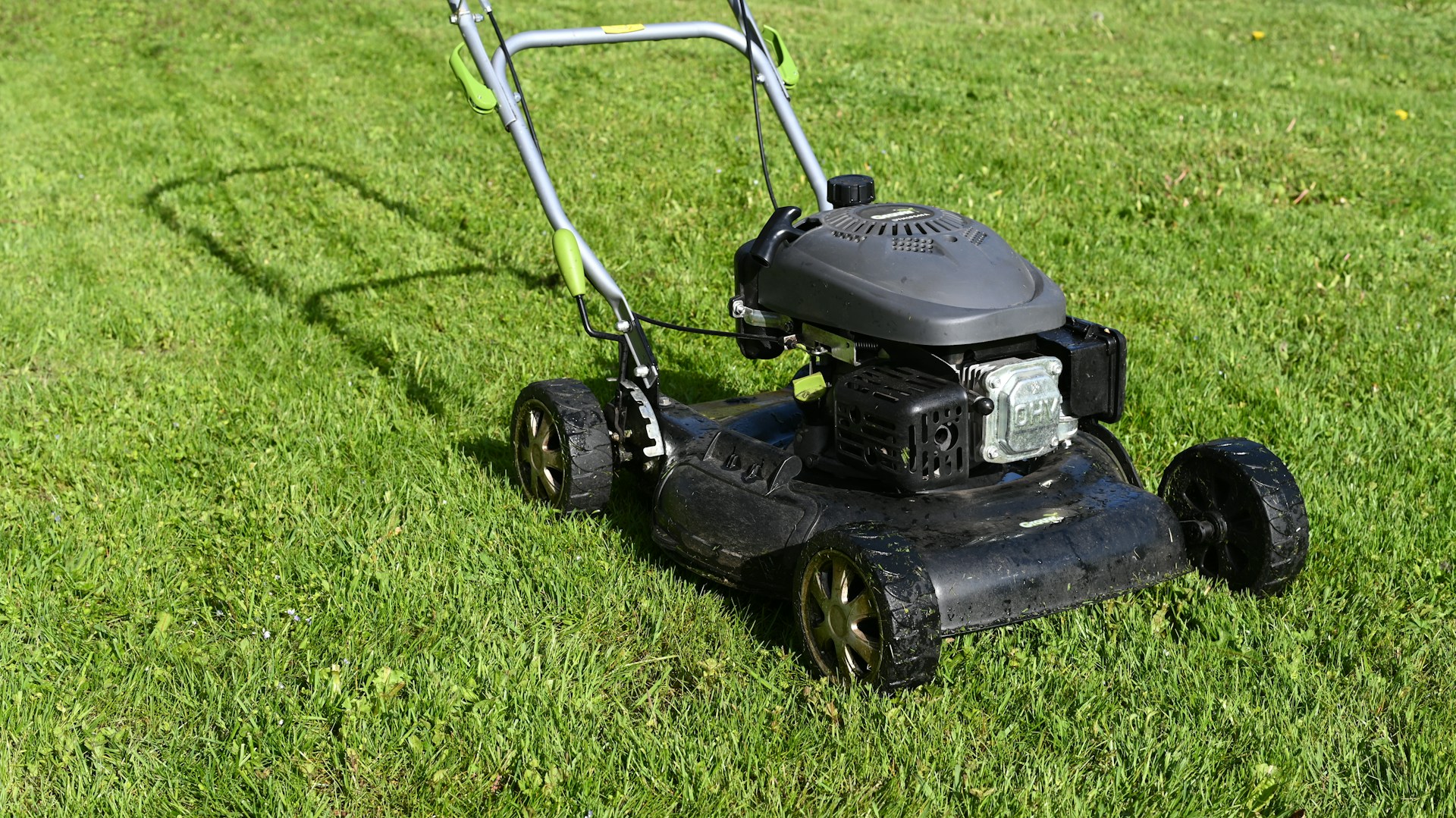
Finding the best lawn mowers for homeowners in 2026 means balancing performance, ease of use, durability, and value. Whether you have a small suburban yard, a large property, or something in between, the right lawn mower can make a significant difference in lawn care efficiency and results. With advancements in battery technology, cordless power, and smart features, today’s lawn mowers offer improved performance and lower maintenance than traditional gas-powered models.
Continue reading »
Choosing between electric and gas lawn mowers is one of the most important decisions homeowners make when investing in lawn care equipment. Each option offers distinct advantages and limitations that directly affect performance, maintenance, cost, and environmental impact. Understanding how electric and gas lawn mowers differ helps homeowners select the best solution for their lawn size, terrain, and long-term maintenance goals.
Continue reading »
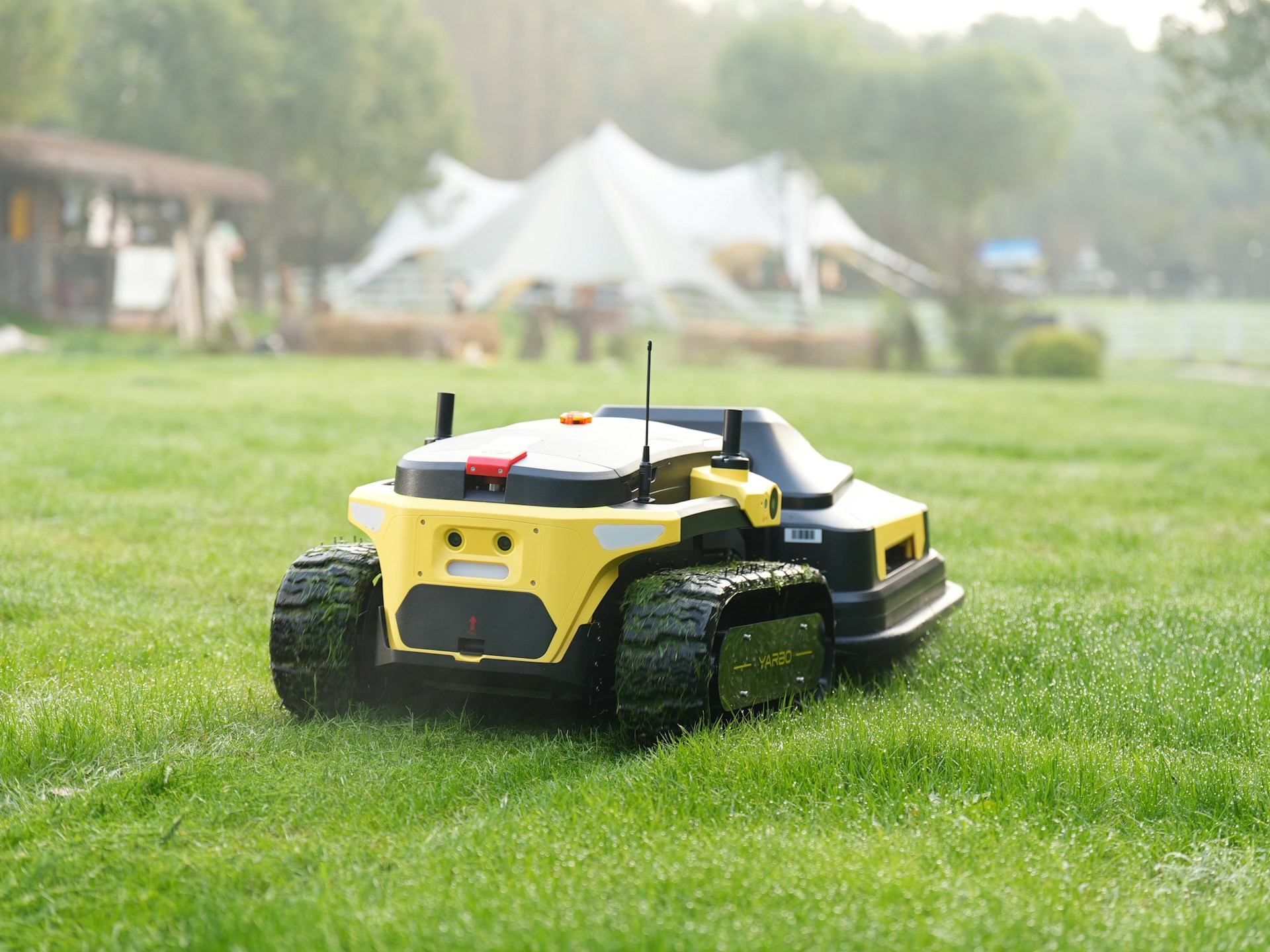
Robotic lawn mowers are autonomous lawn care machines designed to mow grass with minimal human involvement. These smart devices operate within a defined area, usually set by a boundary wire or GPS-based system, and continuously maintain grass height by mowing small amounts frequently. Instead of cutting large portions at once, robotic mowers trim grass regularly, leaving fine clippings behind to decompose naturally and fertilize the lawn.
Continue reading »
A weed trimmer is an essential tool for maintaining a neat and professional-looking lawn. While lawn mowers handle the bulk of grass cutting, weed trimmers reach areas that mowers cannot — including edges along driveways, sidewalks, around trees, fences, flower beds, and other tight spaces. The best weed trimmers help homeowners eliminate unwanted grass and weeds without damaging desirable turf and landscape features.
Continue reading »
Lawn aeration is one of the most important yet often overlooked practices in effective lawn care. Over time, soil naturally becomes compacted due to foot traffic, mowing, pets, and even rainfall. Compacted soil restricts the movement of air, water, and nutrients to grass roots, which directly impacts lawn health. Lawn aerators are specialized tools designed to relieve this compaction by creating small holes in the soil, allowing the lawn to breathe and absorb essential resources more efficiently.
Continue reading »
Lawn sprinkler systems are a critical component of modern lawn care, providing consistent and efficient irrigation to keep grass healthy, green, and resilient. Proper watering supports deep root development, improves drought resistance, and ensures uniform growth across the entire lawn. A well-designed sprinkler system eliminates guesswork, reduces water waste, and saves time compared to manual watering methods.
Continue reading »
Smart irrigation systems for lawns are advanced watering solutions designed to optimize water usage while maintaining healthy, green grass. Unlike traditional sprinkler systems that operate on fixed schedules, smart irrigation systems use data, sensors, and automation to deliver the right amount of water at the right time. These systems adapt to changing weather conditions, soil moisture levels, and seasonal lawn needs, making them a key component of modern lawn care.
Continue reading »
Choosing the best fertilizers for lawns is one of the most important steps in achieving thick, green, and healthy grass. Lawn fertilizers provide essential nutrients that grass needs to grow, recover from stress, and resist weeds, pests, and diseases. Without proper fertilization, even well-watered lawns can appear thin, pale, or patchy.
Continue reading »
Organic lawn care products are designed to nourish grass and soil using natural ingredients rather than synthetic chemicals. These products focus on improving soil health, encouraging beneficial microorganisms, and supporting sustainable lawn growth. Homeowners increasingly choose organic lawn care to reduce environmental impact while maintaining a healthy and attractive yard.
Continue reading »
Lawn care apps are digital tools designed to help homeowners manage, monitor, and improve their lawn maintenance routines. These apps combine technology, data, and lawn care expertise to provide personalized recommendations, reminders, and tracking features. By using lawn care apps, homeowners can make informed decisions without needing professional-level knowledge.
Continue reading »
GPS tracking for lawn care companies refers to the use of satellite-based location technology to monitor vehicles, crews, and equipment in real time. This technology allows lawn care businesses to track daily operations, optimize routes, and ensure efficient service delivery. GPS tracking has become an essential tool for modern lawn care companies looking to scale operations and improve customer satisfaction.
Continue reading »
Lawn care software for service providers is a specialized digital solution designed to manage daily operations, customer relationships, scheduling, billing, and field services. As lawn care businesses grow, manual processes become inefficient, and software tools help streamline workflows while reducing errors.
Continue reading »
Marketing plays a critical role in the success and growth of any lawn care business. In an increasingly competitive market, relying solely on word-of-mouth is no longer sufficient. Modern lawn care companies must leverage a combination of digital and traditional marketing tools to attract new customers, retain existing ones, and build a recognizable local brand. From online visibility to customer communication and reputation management, the right marketing tools can significantly increase efficiency and revenue.
Continue reading »
Efficient scheduling is one of the most critical operational challenges in the lawn care industry. Managing multiple crews, recurring services, seasonal fluctuations, and customer expectations can quickly become overwhelming without the right tools. Scheduling software for lawn care businesses is designed to streamline operations, reduce administrative workload, and ensure that jobs are completed on time and with minimal errors.
Continue reading »
Online payments have become an essential component of modern lawn care services. As customers increasingly expect convenience, speed, and digital-first experiences, lawn care businesses that offer online payment options gain a significant competitive advantage. Accepting online payments simplifies transactions, improves cash flow, and enhances overall customer satisfaction.
Continue reading »
Starting a lawn care business in the USA can be a profitable and scalable opportunity for entrepreneurs who enjoy outdoor work and hands-on services. With consistent demand from residential and commercial clients, lawn care offers a low barrier to entry and strong long-term growth potential when structured correctly.
Continue reading »
Starting a lawn care business in the United States requires more than equipment and customers. One of the most important legal steps is understanding lawn care business license requirements by state. Licensing rules vary significantly depending on location, business structure, and the services you offer. While some states have minimal requirements, others enforce strict regulations, especially for businesses that provide fertilization, pesticide application, or commercial landscaping services.
Continue reading »
The question how much can you earn with a lawn care business depends on several key factors, including location, services offered, pricing strategy, and business scale. Lawn care is one of the most accessible service industries in the United States, with relatively low startup costs and consistent demand. For many entrepreneurs, it can generate a reliable full-time income or grow into a highly profitable operation with recurring clients.
Continue reading »
Effective lawn care marketing strategies are essential for attracting new customers, building trust, and creating long-term recurring revenue. Lawn care is a highly competitive local service, and many businesses offer similar services at comparable prices. Marketing is what differentiates one provider from another and helps homeowners choose your company over competitors.
Continue reading »
Local SEO for lawn care companies focuses on improving visibility in location-based search results. When homeowners search for services like lawn mowing, fertilization, or weed control, search engines prioritize nearby businesses. Local SEO ensures your lawn care company appears at the right time, in the right place, to the right audience.
Continue reading »
Getting more lawn care clients online starts with understanding how homeowners search for services today. Most customers use search engines, online maps, and social platforms to find local lawn care providers. A strong online presence allows your business to appear exactly when potential clients are actively looking for lawn mowing, fertilization, or full-service lawn care.
Continue reading »
For lawn care companies, local visibility is one of the most critical factors in generating consistent leads. When homeowners search for services like lawn mowing, fertilization, weed control, or landscaping, they usually include location-based intent such as “near me” or a city name. Google Business Profile is the primary tool Google uses to display local businesses in map results and local search listings. An optimized profile allows lawn care companies to appear prominently in Google Maps, the local pack, and organic search results, making it easier for potential customers to find and contact them.
Continue reading »
Facebook Ads have become one of the most effective digital marketing tools for lawn care services looking to attract local customers consistently. With billions of active users and highly advanced targeting options, Facebook allows lawn care companies to reach homeowners exactly when they are most likely to need services such as lawn mowing, fertilization, weed control, aeration, and seasonal cleanups. Unlike traditional advertising, Facebook Ads enable precise control over budget, audience, and messaging, making them especially valuable for small and mid-sized lawn care businesses.
Continue reading »
A well-defined lawn care pricing strategy is one of the most critical factors in building a profitable and sustainable lawn care business. Pricing directly affects customer acquisition, retention, cash flow, and long-term growth. Setting prices too low can lead to burnout and thin margins, while pricing too high without clear value can drive potential clients to competitors. A strategic approach ensures that your lawn care services are competitive, profitable, and aligned with customer expectations.
Continue reading »
Scaling a lawn care company goes far beyond simply adding more customers. True scaling means increasing revenue while maintaining or improving efficiency, service quality, and profitability. A scalable lawn care business operates with systems, processes, and teams that can handle growth without constant owner involvement.
Continue reading »
Lawn care refers to the ongoing process of maintaining healthy, attractive, and functional grass areas around residential and commercial properties. It includes a wide range of activities such as mowing, watering, fertilizing, aeration, weed control, pest management, soil conditioning, and seasonal cleanup. Proper lawn care is not a one-time task but a continuous effort that adapts to climate, soil conditions, grass type, and seasonal changes.
Continue reading »
Lawn maintenance refers to the routine and ongoing tasks required to keep a lawn healthy, clean, and visually consistent. It focuses on preserving the existing grass and preventing common problems such as weeds, pests, bare spots, and uneven growth. Lawn maintenance is primarily concerned with consistency, turf health, and basic curb appeal rather than design or structural changes.
Continue reading »
A weekly lawn care checklist helps homeowners maintain a healthy, attractive, and resilient lawn throughout the growing season. Consistent attention prevents small issues from becoming costly problems and ensures that grass remains dense, green, and free of weeds. Weekly lawn care also supports soil health, improves root strength, and enhances overall curb appeal.
Continue reading »
Seasonal lawn care is essential for maintaining healthy grass, strong root systems, and consistent curb appeal throughout the year. Each season presents unique challenges and growth patterns that require specific care strategies. Adjusting lawn care practices to match seasonal conditions helps prevent stress, disease, and long-term damage while maximizing turf density and color.
Continue reading »
Mowing frequency is one of the most important factors in maintaining a healthy and attractive lawn. Cutting grass too often or too infrequently can weaken turf, stress root systems, and create favorable conditions for weeds and disease. Understanding how often you should mow your lawn helps promote steady growth, consistent color, and long-term resilience.
Continue reading »
The time of day you mow your lawn has a direct impact on grass health, appearance, and long-term durability. Mowing at the wrong time can stress turf, increase the risk of disease, and reduce overall lawn quality. Understanding the best time of day to mow helps homeowners achieve cleaner cuts, stronger grass, and more efficient lawn care routines.
Continue reading »
Lawn care for beginners starts with understanding that a healthy lawn is built through consistent habits rather than occasional effort. Grass is a living system influenced by soil quality, water, sunlight, and seasonal changes. Learning basic lawn care principles allows homeowners to create a strong foundation that supports long-term growth and visual appeal.
Continue reading »
Recovering a damaged lawn begins with identifying the causes of decline. Lawn damage can result from drought, overwatering, improper mowing, heavy foot traffic, pests, disease, nutrient deficiencies, compacted soil, or extreme weather conditions. Each cause affects turf health differently, and recognizing the symptoms helps determine the most effective recovery strategy.
Continue reading »