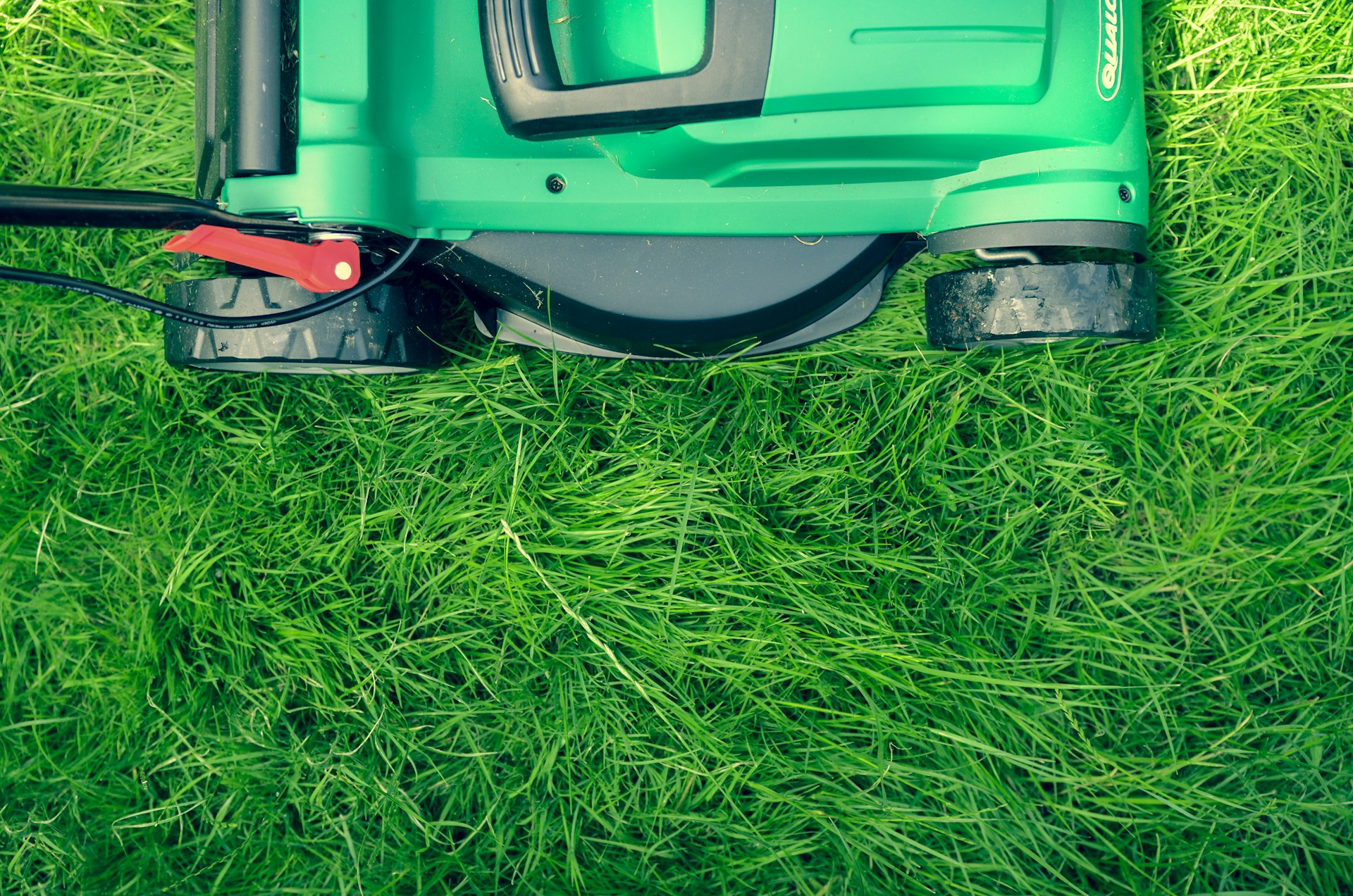
 Photo by Daniel Watson on Unsplash
Introduction to Lawn Care for Beginners
Lawn care for beginners starts with understanding that a healthy lawn is built through consistent habits rather than occasional effort. Grass is a living system influenced by soil quality, water, sunlight, and seasonal changes. Learning basic lawn care principles allows homeowners to create a strong foundation that supports long-term growth and visual appeal.
For new homeowners or first-time lawn caretakers, developing a structured approach helps avoid common mistakes and ensures steady progress. A beginner-friendly lawn care routine focuses on simplicity, observation, and gradual improvement.
Understanding Your Lawn
Before starting any lawn care program, it is essential to understand the type of grass growing in your yard. Different grass species have unique needs related to mowing height, watering frequency, and fertilization timing.
Sun exposure, soil condition, and climate also influence lawn performance. Identifying shaded areas, drainage patterns, and high-traffic zones helps tailor lawn care practices to your specific environment.
Basic Lawn Care Equipment
Beginner lawn care does not require advanced tools, but having the right equipment makes maintenance easier and more effective. A reliable lawn mower, string trimmer, and watering system form the core of any starter setup.
Additional tools such as a rake, spreader, and hose nozzle help with seasonal tasks and routine upkeep. Maintaining equipment ensures clean cuts and consistent results.
Mowing Fundamentals for Beginners
Mowing is one of the most important aspects of lawn care. Beginners should focus on proper mowing height and frequency rather than cutting grass as short as possible.
Following the one-third rule, which limits removal to one-third of the grass blade at a time, prevents stress and promotes healthy growth. Keeping mower blades sharp improves cut quality and reduces disease risk.
Watering the Lawn Correctly
Proper watering supports deep root development and drought resistance. Beginners often overwater, which can weaken roots and encourage disease.
Watering deeply and less frequently is more effective than shallow daily watering. Early morning is the best time to water, allowing moisture to soak into the soil before heat and evaporation increase.
Soil Health and Lawn Nutrition
Healthy soil is the foundation of successful lawn care. Soil provides nutrients, oxygen, and water to grass roots. Beginners should pay attention to soil compaction, drainage, and nutrient balance.
Fertilization supplies essential nutrients that support growth and color. Applying fertilizer at the appropriate time and rate helps avoid burning grass or creating excessive growth.
Weed Control for New Lawn Owners
Weeds compete with grass for nutrients, water, and sunlight. Early weed control is easier and more effective than addressing established infestations.
Maintaining proper mowing height and lawn density naturally suppresses weeds. Spot treatment and manual removal are beginner-friendly methods for managing weed growth.
Managing Lawn Pests and Diseases
Beginner lawn care includes monitoring for pests and diseases that can damage grass. Signs of trouble include discoloration, thinning patches, or chewed blades.
Healthy lawns are more resistant to pests and disease. Proper watering, mowing, and soil care reduce the likelihood of serious problems.
Seasonal Lawn Care Basics
Lawn care tasks change with the seasons. Spring focuses on recovery and growth, summer emphasizes stress management, fall strengthens roots, and winter protects dormant grass.
Understanding seasonal priorities helps beginners plan maintenance activities and avoid unnecessary work.
Simple Lawn Care Checklist for Beginners
- Mow regularly at the correct height for your grass type.
- Water deeply and adjust frequency based on weather.
- Inspect weekly for weeds, pests, and stress.
- Fertilize responsibly according to seasonal needs.
- Maintain equipment for clean and efficient lawn care.
Building Consistent Lawn Care Habits
Consistency is the most important factor in beginner lawn care success. Small, regular efforts prevent major issues and create steady improvement.
Developing a routine builds confidence and makes lawn care manageable, even for those with limited experience.
Common Mistakes to Avoid
Beginners often make mistakes such as cutting grass too short, overwatering, or applying too much fertilizer. These practices stress the lawn and slow progress.
Learning to observe lawn response and make gradual adjustments leads to better results and fewer setbacks.
Long-Term Benefits of Proper Lawn Care
A well-maintained lawn enhances curb appeal, increases property value, and provides a functional outdoor space. Over time, proper care reduces maintenance demands and improves lawn resilience.
By following basic principles and staying consistent, beginners can develop healthy lawns that continue to improve year after year.