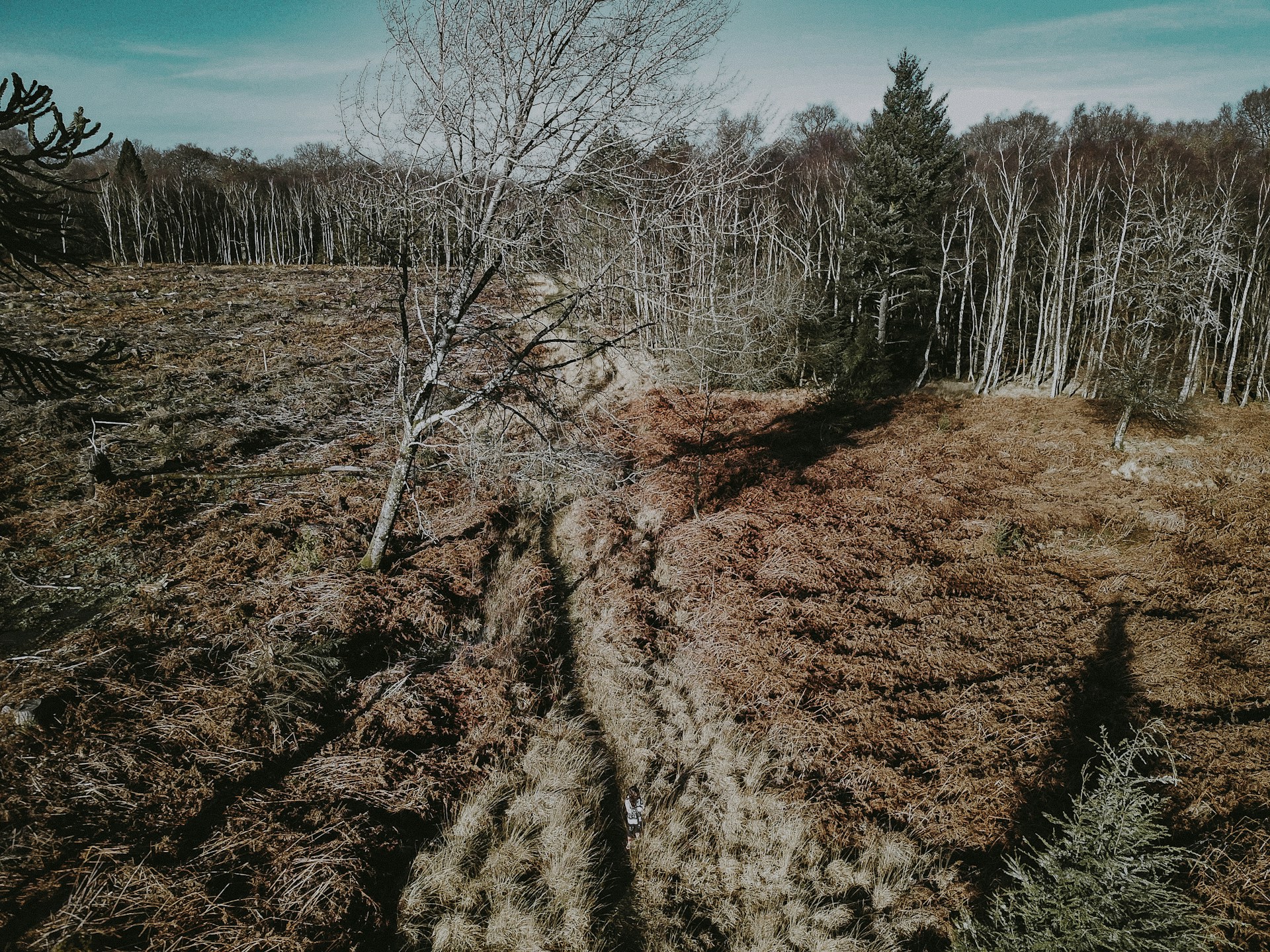
 Photo by Annie Spratt on Unsplash
Understanding Lawn Erosion and Why It Happens
Erosion problems in lawns occur when soil is displaced by water, wind, or foot traffic faster than grass can stabilize it. This process gradually removes topsoil, which is the most nutrient-rich layer needed for healthy grass growth. Without this protective layer, lawns become weak, uneven, and increasingly difficult to maintain.
Lawns on slopes, properties with poor drainage, and areas exposed to heavy rainfall are especially vulnerable. Over time, erosion can lead to bare patches, exposed roots, and compacted subsoil that struggles to support turf. Identifying erosion early is essential for preventing long-term lawn damage.
Common Causes of Erosion in Lawns
Lawn erosion is usually the result of multiple contributing factors rather than a single issue. Poor soil structure, improper watering, and insufficient ground cover all increase the risk of soil loss.
Heavy rainfall or excessive irrigation can wash away loose soil, especially on slopes. Wind erosion is more common in dry regions where soil remains exposed for extended periods. High foot traffic can also compact soil, reducing its ability to absorb water and increasing runoff.
Typical causes of erosion include:
- Sloped or uneven terrain
- Compacted or low-quality soil
- Overwatering and poor drainage
- Lack of dense grass coverage
- Heavy rainfall or stormwater runoff
Signs That Your Lawn Is Experiencing Erosion
Early signs of erosion are often subtle and easy to overlook. Small channels in the soil, thinning grass, or muddy runoff after rain are indicators that soil is being displaced.
As erosion progresses, exposed roots, uneven surfaces, and areas where grass struggles to establish become more noticeable. These conditions weaken turf and create opportunities for weeds to invade.
Warning signs of lawn erosion include:
- Visible soil movement after rainfall
- Bare patches where grass will not grow
- Exposed grass roots
- Gullies or shallow trenches in the lawn
- Water pooling or fast runoff
How Erosion Affects Lawn Health
Soil erosion strips lawns of essential nutrients, organic matter, and beneficial microorganisms. Without these elements, grass cannot develop strong root systems or maintain consistent growth.
Eroded lawns also suffer from uneven moisture distribution. Water drains too quickly from higher areas while collecting in low spots, creating stress conditions for turf. Over time, this imbalance reduces lawn density and increases maintenance costs.
The Role of Grass Density in Preventing Erosion
Dense, healthy grass acts as a natural barrier against erosion. Grass blades slow down water flow, while roots bind soil particles together, preventing them from being washed or blown away.
Thin or patchy lawns lack this protective structure, allowing erosion to accelerate. Maintaining proper mowing height, fertilization, and overseeding helps improve turf density and soil stability.
Strong root systems are especially important on slopes, where gravity increases the risk of soil movement.
Soil Quality and Its Impact on Erosion Control
Soil composition plays a critical role in how well a lawn resists erosion. Sandy soils drain quickly and are prone to being washed away, while clay soils compact easily and promote runoff.
Improving soil structure with organic matter increases water absorption and root penetration. Well-aerated soil allows moisture to soak in rather than flow across the surface, significantly reducing erosion risk.
Improper Watering and Lawn Erosion
Overwatering is one of the most common contributors to lawn erosion. Excessive irrigation saturates soil, loosening particles and creating runoff, especially on slopes.
Short, frequent watering encourages shallow roots that fail to anchor soil effectively. Deep, infrequent watering supports stronger root growth and improves soil stability.
How Slopes Increase Erosion Risk
Lawns on slopes face unique erosion challenges. Gravity accelerates water movement downhill, increasing soil displacement during rainfall or irrigation.
Without proper ground cover or drainage solutions, sloped lawns lose soil quickly. Installing erosion control measures and selecting grass varieties with deep root systems are essential for long-term stability.
Long-Term Consequences of Untreated Lawn Erosion
Ignoring erosion problems leads to progressive soil loss, declining turf quality, and increased weed pressure. Over time, lawns may require extensive renovation or complete regrading to restore functionality.
Erosion can also affect surrounding areas, carrying sediment into sidewalks, driveways, and drainage systems. Addressing erosion early reduces repair costs and preserves landscape integrity.
Best Practices to Reduce and Prevent Lawn Erosion
Preventing lawn erosion requires a combination of proper lawn care practices and soil management. Improving grass coverage, adjusting watering habits, and enhancing soil structure all contribute to erosion control.
Lawns that are maintained with erosion prevention in mind develop deeper roots, better drainage, and stronger resistance to environmental stress. With consistent care, erosion-prone areas can be stabilized and transformed into healthy, durable turf.