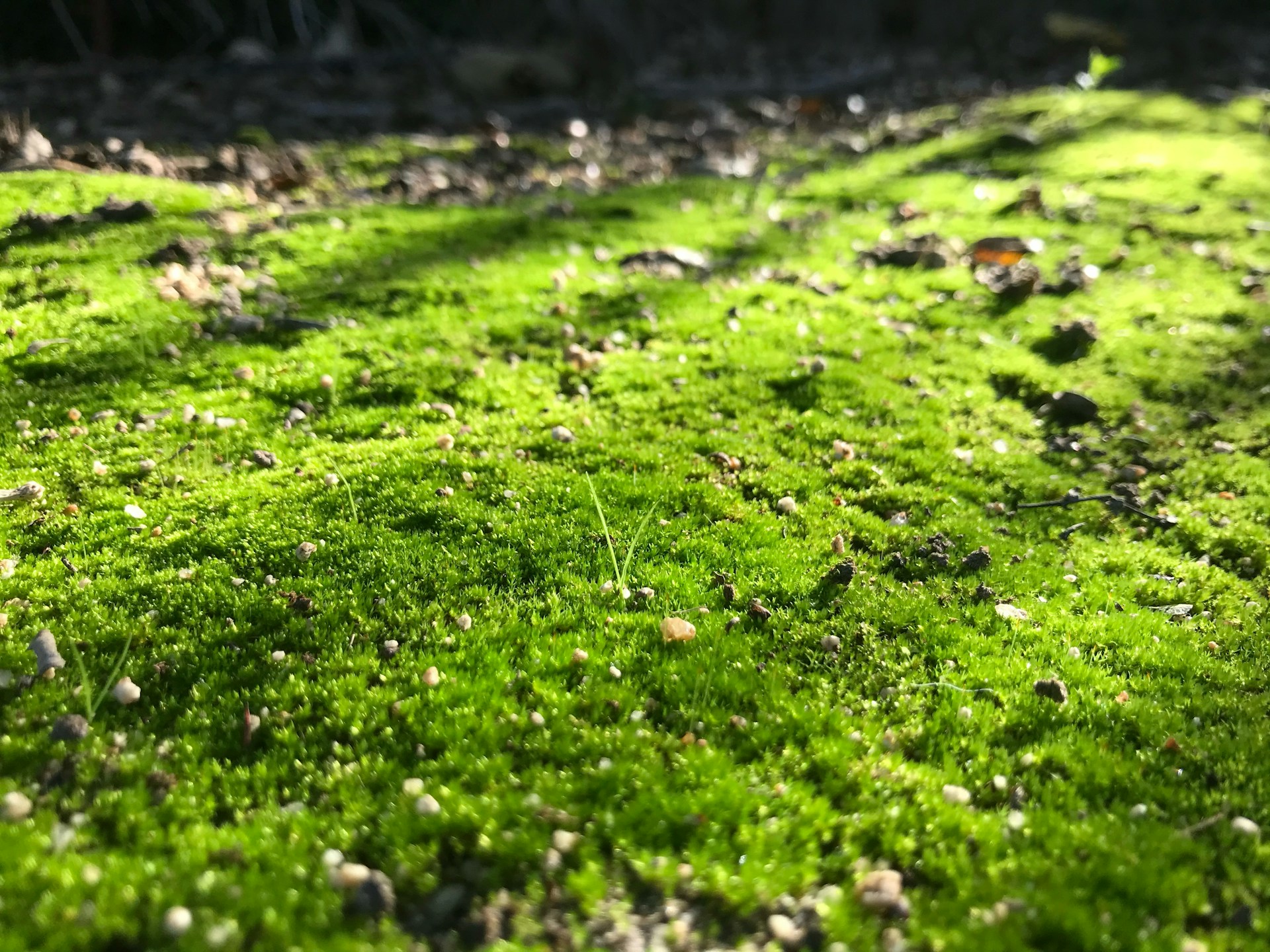
 Photo by Giovanna on Unsplash
Understanding Uneven Lawn Surfaces
An uneven lawn surface is a common issue that affects both the appearance and usability of a yard. Bumps, dips, and low spots can make mowing difficult, create drainage problems, and reduce overall curb appeal. Uneven lawns often develop gradually, making the problem easy to overlook until it becomes severe.
Fixing an uneven lawn surface requires identifying the underlying causes and applying the appropriate lawn care techniques. With proper assessment and consistent maintenance, most uneven lawns can be restored to a smooth and healthy condition.
Common Causes of Uneven Lawns
Several factors contribute to uneven lawn surfaces. Soil settling after construction, erosion from heavy rain, poor drainage, and natural soil compaction can all create low spots and depressions. Burrowing animals, tree roots, and heavy foot traffic also disturb the soil structure over time.
Understanding the specific cause of unevenness helps determine whether simple leveling or more extensive lawn care solutions are required.
Assessing the Severity of Lawn Unevenness
Before beginning repairs, it is important to assess the extent of the uneven surface. Minor bumps and shallow dips can often be corrected with topdressing, while deep depressions may require soil replacement or regrading.
Marking problem areas and observing water flow after rainfall provides valuable insight into drainage issues that may be contributing to surface irregularities.
Preparing the Lawn for Repair
Proper preparation is essential for successful lawn leveling. Mowing the grass slightly shorter than usual makes it easier to identify uneven areas and apply soil evenly. Removing debris, thatch buildup, and compacted layers allows repair materials to integrate properly with the existing lawn.
Light watering before repair softens the soil, making it easier to work with and improving the effectiveness of leveling efforts.
Topdressing to Fix Minor Uneven Areas
Topdressing is one of the most effective lawn care methods for correcting minor unevenness. A mixture of topsoil, sand, and compost is spread evenly over low spots to create a level surface while improving soil quality.
The topdressing material should be worked gently into the grass to avoid smothering turf. Gradual application over multiple sessions produces the best results without stressing the lawn.
Leveling Deep Low Spots
Deep depressions require a more targeted approach. In these areas, grass may need to be lifted or removed temporarily to allow soil to be added underneath. Once the area is leveled, the grass can be replaced or reseeded.
Proper compaction of the added soil is essential to prevent future settling. Light tamping ensures stability while maintaining adequate soil aeration.
Fixing Bumps and Raised Areas
Bumps and raised sections often result from tree roots, buried debris, or soil heaving. These areas may require soil removal rather than addition. Carefully removing excess soil and redistributing it to low areas helps create a more uniform surface.
When tree roots are involved, care should be taken not to damage the root system. Consulting a lawn care professional may be necessary in these situations.
Improving Drainage to Prevent Uneven Surfaces
Poor drainage is a major contributor to uneven lawns. Water pooling in certain areas causes soil erosion and settling over time. Improving drainage through aeration, soil amendments, or grading helps prevent future surface irregularities.
In severe cases, installing drainage solutions such as French drains may be necessary to protect lawn structure and health.
Aeration and Soil Compaction Relief
Compacted soil restricts root growth and increases the likelihood of uneven surfaces. Core aeration relieves compaction by creating openings in the soil, allowing water, air, and nutrients to penetrate more effectively.
Aeration also enhances the effectiveness of topdressing and promotes long-term lawn stability.
Overseeding After Lawn Leveling
Overseeding is often necessary after leveling to restore turf density and uniform appearance. Introducing new grass seed fills in thin areas and strengthens the lawn against future unevenness.
Selecting grass varieties suited to local climate conditions improves establishment and long-term performance.
Watering and Maintenance After Repair
Proper watering is crucial after fixing an uneven lawn surface. Newly leveled areas require consistent moisture to help grass roots establish and soil settle naturally. Avoid heavy watering that could wash away topdressing material.
Light, frequent watering followed by a gradual return to normal irrigation supports successful lawn recovery.
Preventing Uneven Lawn Surfaces in the Future
Preventative lawn care practices reduce the likelihood of uneven surfaces returning. Regular aeration, proper watering, and balanced fertilization help maintain healthy soil structure.
Limiting heavy traffic on wet lawns and addressing drainage issues promptly also contribute to long-term lawn smoothness.
When to Hire Professional Lawn Care Services
Homeowners often search for lawn care near me when uneven lawn surfaces become difficult to manage. Professional lawn care providers have the experience and equipment needed to address complex leveling and drainage problems.
Local lawn care experts understand regional soil types and climate conditions, allowing them to deliver customized solutions that ensure durable and visually appealing results.
Restoring a Smooth and Healthy Lawn
Fixing an uneven lawn surface improves both aesthetics and functionality, making outdoor spaces safer and more enjoyable. While some leveling tasks can be handled with basic lawn care techniques, others require careful planning and ongoing maintenance.
With the right approach and consistent care, uneven lawns can be transformed into smooth, healthy landscapes that enhance property value and long-term lawn performance.