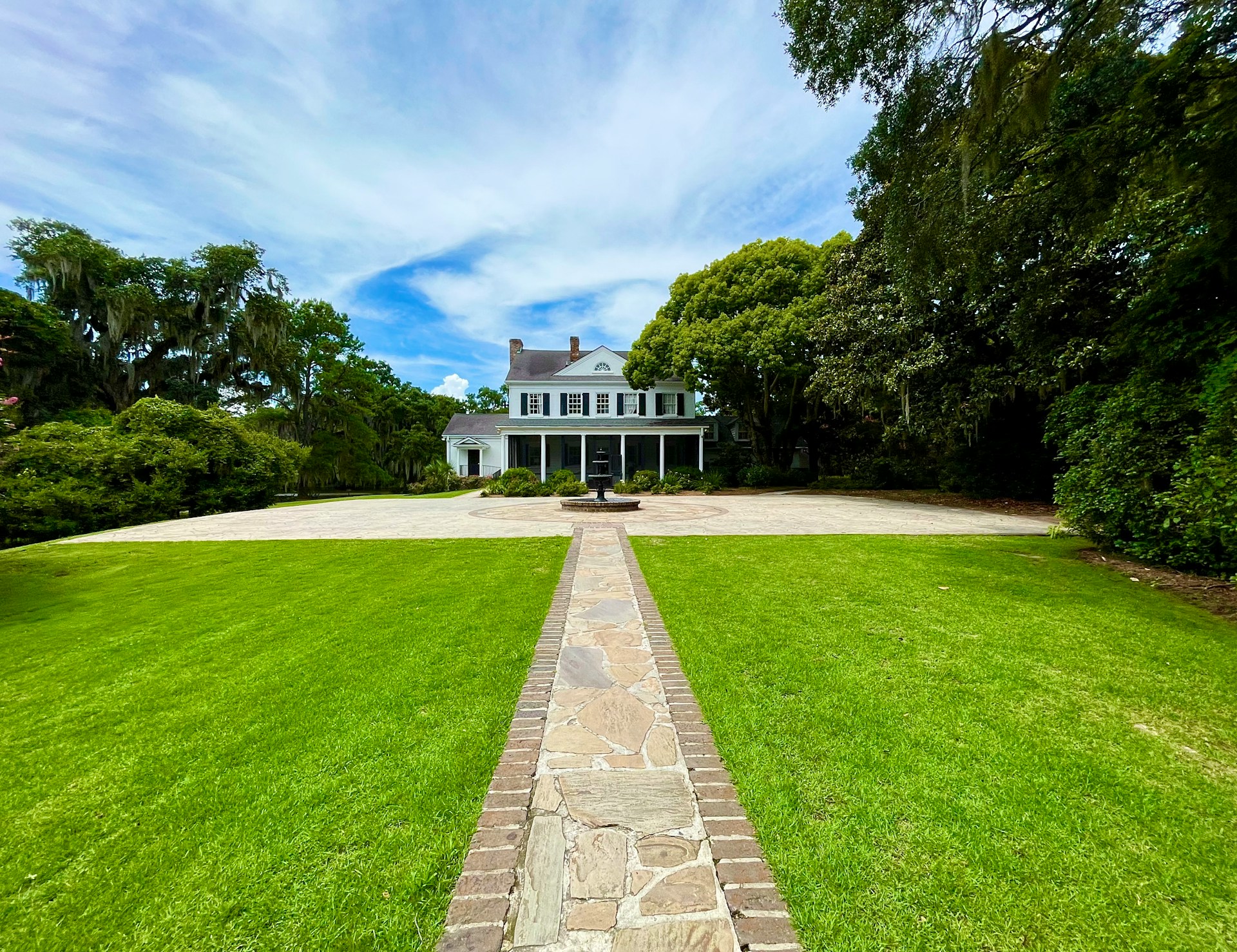
 Photo by Andy Henderson on Unsplash
Understanding Lawn Care
Lawn care refers to the ongoing process of maintaining healthy, attractive, and functional grass areas around residential and commercial properties. It includes a wide range of activities such as mowing, watering, fertilizing, aeration, weed control, pest management, soil conditioning, and seasonal cleanup. Proper lawn care is not a one-time task but a continuous effort that adapts to climate, soil conditions, grass type, and seasonal changes.
A well-maintained lawn serves as the foundation of outdoor aesthetics. It frames the home, enhances landscaping features, and creates a welcoming environment. Beyond visual appeal, lawn care plays a critical role in protecting soil health, preventing erosion, and supporting local ecosystems.
The Core Elements of Lawn Care
Effective lawn care is built on several essential practices that work together to sustain turf health. Each element contributes to both short-term appearance and long-term resilience.
- Mowing: Regular mowing at the correct height promotes dense growth, discourages weeds, and prevents stress on grass blades.
- Watering: Deep and consistent watering encourages strong root development and drought resistance.
- Fertilization: Applying the right nutrients at the right time supports growth, color, and recovery from wear.
- Aeration: Reducing soil compaction improves oxygen, water, and nutrient penetration to the roots.
- Weed and Pest Control: Managing invasive plants and insects prevents competition and turf damage.
Why Lawn Care Matters for Home Value
Lawn care has a direct and measurable impact on property value. Real estate professionals consistently emphasize curb appeal as a decisive factor in buyer perception. The lawn is often the first element potential buyers notice, and its condition can influence their expectations of the entire property.
A healthy lawn signals that a homeowner maintains their property responsibly. This perception can translate into higher offers, faster sales, and increased buyer confidence. In contrast, neglected lawns may suggest hidden maintenance issues, reducing perceived value.
Curb Appeal and First Impressions
Curb appeal is the visual attractiveness of a property as seen from the street. A lush, green lawn creates a strong positive first impression and sets the tone for the rest of the home. Clean edges, uniform color, and consistent growth contribute to a polished and cared-for appearance.
Homes with professionally maintained lawns often stand out in competitive real estate markets. Buyers are more likely to remember and revisit properties that appear move-in ready, and lawn condition plays a central role in that judgment.
Financial Return on Lawn Care Investment
Investing in lawn care typically delivers a high return relative to cost. Compared to major renovations, lawn maintenance is a cost-effective way to boost property value. Studies in real estate and landscaping consistently show that quality landscaping, including lawn care, can increase home value by a noticeable percentage.
Routine services such as fertilization programs and seasonal maintenance can prevent costly repairs later, such as soil replacement, drainage issues, or complete lawn renovation. Preventive care protects both appearance and financial investment.
Lawn Care and Environmental Benefits
Beyond property value, lawn care contributes to environmental health. Healthy grass absorbs carbon dioxide, produces oxygen, and filters pollutants from rainwater runoff. Well-maintained lawns help stabilize soil, reducing erosion and protecting nearby water sources.
Proper lawn care practices, such as responsible fertilization and efficient irrigation, can also reduce environmental impact. Sustainable lawn care improves ecosystem balance while maintaining visual appeal.
Seasonal Lawn Care and Long-Term Value
Lawn care requirements change throughout the year, and adapting to these seasonal needs is essential for long-term success. Spring focuses on recovery and growth, summer emphasizes stress management, fall prepares the lawn for winter, and winter maintenance protects dormant grass.
Consistent seasonal care prevents decline and ensures the lawn remains strong year after year. Long-term maintenance preserves curb appeal and supports stable or increasing property value over time.
Professional Lawn Care vs. DIY Maintenance
Homeowners can choose between do-it-yourself lawn care and professional services. DIY approaches may reduce short-term costs but often lack the expertise, equipment, and consistency needed for optimal results. Professional lawn care providers bring specialized knowledge of soil science, grass varieties, and regional climate conditions.
Professionally maintained lawns often achieve better density, color, and durability. This level of quality is especially valuable when preparing a home for sale or long-term appreciation.
Lawn Health as an Indicator of Property Maintenance
Buyers and appraisers frequently view lawn condition as an indicator of overall property care. A thriving lawn suggests attention to detail, routine maintenance, and responsible ownership. This perception can positively influence home inspections and appraisals.
Conversely, patchy grass, weeds, and bare soil may raise concerns about neglect. Lawn care therefore plays a strategic role in protecting both perceived and actual home value.
Conclusion: Lawn Care as a Strategic Asset
Lawn care is more than an aesthetic choice; it is a strategic investment in property value, environmental health, and homeowner pride. By maintaining a healthy, attractive lawn, homeowners enhance curb appeal, increase marketability, and protect long-term financial returns.
Whether managed independently or through professional services, consistent lawn care delivers lasting benefits. A well-cared-for lawn strengthens the connection between outdoor beauty and property value, making it an essential component of responsible home ownership.