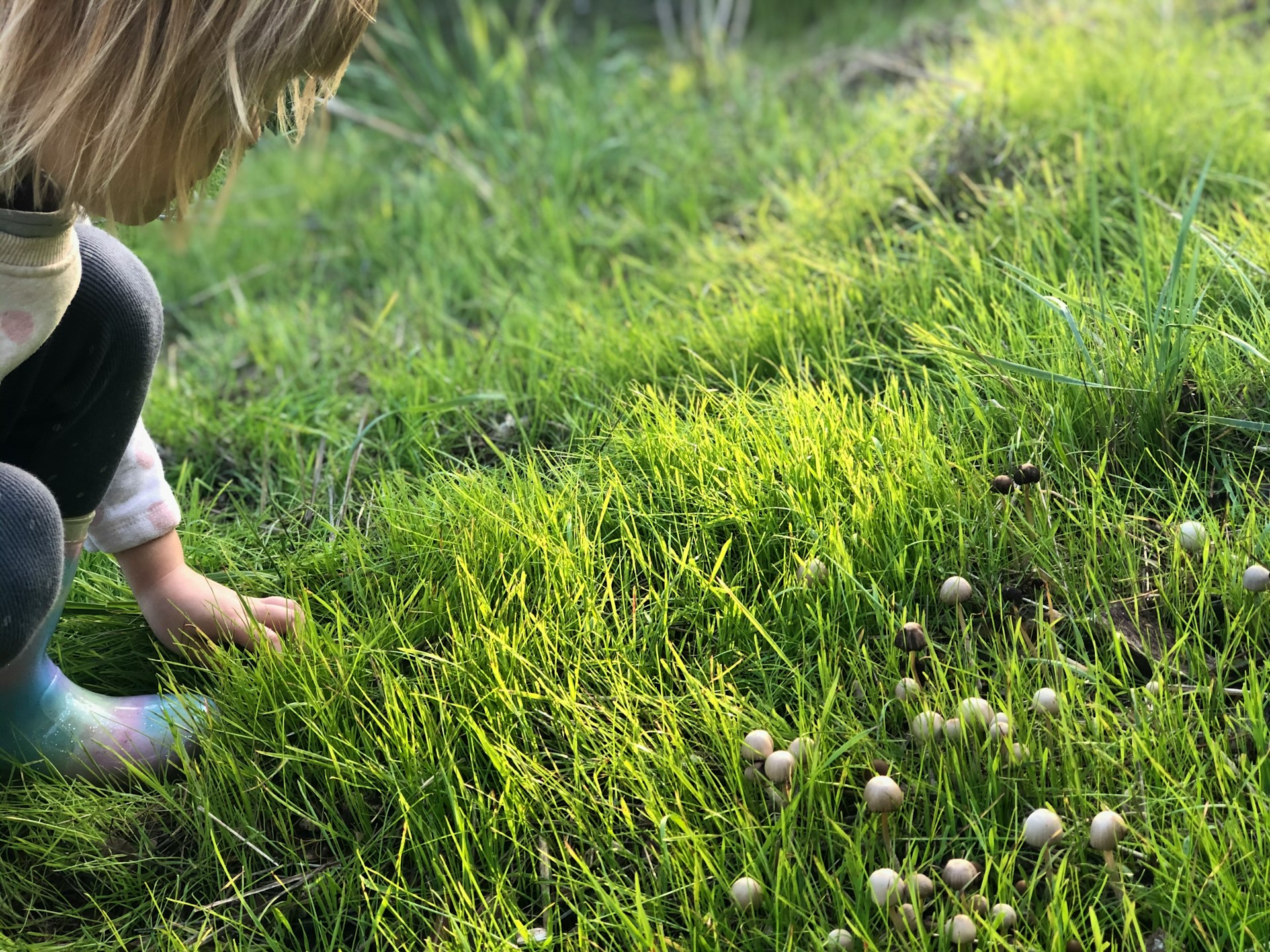
 Photo by Irina Kalinina on Unsplash
The Relationship Between Weather and Lawn Health
Weather plays a critical role in lawn health, influencing grass growth, root development, soil conditions, and overall turf resilience. Temperature, rainfall, sunlight, humidity, and wind all affect how grass responds to maintenance practices. Understanding how weather impacts lawns allows homeowners to adjust care routines and protect turf from stress and damage.
Grass is highly responsive to environmental changes. Lawns that receive care aligned with weather conditions tend to be stronger, greener, and more resistant to pests and disease.
Temperature and Grass Growth
Temperature is one of the most important weather factors affecting lawn health. Different grass types thrive within specific temperature ranges. Cool-season grasses grow best in moderate temperatures, while warm-season grasses prefer higher heat.
Extreme temperatures can slow growth, weaken roots, and increase stress. Prolonged heat can cause dormancy or discoloration, while freezing temperatures may damage grass crowns if not properly protected.
Rainfall and Soil Moisture Balance
Rainfall directly affects soil moisture levels, which are essential for nutrient uptake and root development. Adequate rainfall supports healthy growth, while excessive or insufficient rain can cause problems.
Too much rain may lead to waterlogged soil, root rot, and fungal disease. Insufficient rainfall can result in drought stress, thinning turf, and increased vulnerability to weeds.
Drought Conditions and Lawn Stress
Drought is one of the most common weather-related challenges for lawns. Extended periods without rainfall reduce soil moisture and limit nutrient availability.
Grass may respond by slowing growth or entering dormancy as a survival mechanism. Proper watering practices and higher mowing heights help lawns endure dry conditions with less damage.
Sunlight and Photosynthesis
Sunlight drives photosynthesis, the process by which grass produces energy. Adequate sunlight promotes dense growth, rich color, and strong roots.
Insufficient sunlight can weaken turf, leading to thinning and increased weed pressure. Excessive sunlight combined with heat can increase stress and moisture loss.
Humidity and Disease Development
Humidity influences disease pressure in lawns. High humidity creates favorable conditions for fungal growth, especially when combined with warm temperatures and moisture.
Low humidity may reduce disease risk but can accelerate moisture loss from soil and grass blades. Monitoring humidity helps homeowners adjust watering and mowing practices.
Wind and Lawn Health
Wind affects lawn health by increasing evaporation and drying soil more quickly. Strong winds can exacerbate drought stress and cause uneven moisture distribution.
Wind may also spread weed seeds and disease spores. Protecting lawns with proper watering and maintaining turf density reduces wind-related damage.
Seasonal Weather Patterns
Seasonal changes bring predictable weather patterns that influence lawn care strategies. Spring weather encourages growth and recovery, while summer heat demands stress management.
Fall weather supports root development and repair, and winter conditions require protection and minimal disturbance. Adapting lawn care to seasonal weather patterns improves resilience.
Weather Extremes and Lawn Damage
Extreme weather events such as heat waves, heavy storms, frost, and hail can cause sudden lawn damage. Flooding, erosion, and physical injury may occur during severe weather.
Prompt assessment and corrective care following extreme weather help lawns recover more quickly and prevent long-term decline.
Adjusting Lawn Care Based on Weather
Weather-aware lawn care involves adjusting mowing, watering, fertilization, and traffic patterns. Mowing should be less frequent during heat or drought, while watering schedules should reflect rainfall and evaporation rates.
Fertilization timing should avoid extreme conditions to prevent stress and nutrient loss.
Preventive Strategies for Weather-Resilient Lawns
Preventive lawn care strategies improve resilience against weather-related stress. Healthy soil, proper mowing height, and consistent maintenance strengthen turf over time.
Lawns managed with weather awareness are better equipped to withstand temperature fluctuations, moisture extremes, and seasonal changes.
Long-Term Impact of Weather on Lawn Health
Weather patterns influence long-term lawn performance and maintenance requirements. Repeated exposure to unfavorable conditions can weaken turf if care practices are not adjusted.
By understanding how weather affects lawn health, homeowners can make informed decisions that protect their lawns, reduce damage, and support sustainable growth throughout the year.