 Photo by Jon Tyson on Unsplash
Restoring a dead lawn is one of the most common and most misunderstood challenges homeowners face. A lawn that appears completely brown, thin, or lifeless may not always be truly dead, but recovery time depends on several critical factors, including grass type, climate, soil condition, and the underlying cause of damage. Understanding how long lawn restoration takes helps set realistic expectations and ensures proper planning for watering, seeding, and ongoing lawn care.
Is Your Lawn Truly Dead or Just Dormant?
Before discussing timelines, it is essential to determine whether the lawn is actually dead. Many grass types enter dormancy during periods of drought, extreme heat, or cold. Dormant grass turns brown but remains alive below the surface. In contrast, dead grass has no viable roots and will not recover without reseeding or resodding.
A simple test involves pulling gently on the grass blades. If they resist and roots remain anchored, the lawn is likely dormant. If the grass pulls out easily with no resistance, restoration will require more intensive intervention.
Factors That Affect Lawn Restoration Time
The time required to restore a dead lawn varies significantly depending on several conditions. Climate plays a major role, as warmer temperatures speed germination and root development. Soil quality also influences how quickly new grass establishes itself. Compacted, nutrient-poor soil slows recovery, while well-aerated soil accelerates growth.
Grass type is another determining factor. Cool-season grasses such as Kentucky bluegrass or fescue recover differently than warm-season grasses like Bermuda or Zoysia. Additionally, the cause of lawn damage, whether drought, disease, pests, chemical burn, or neglect, directly affects how long restoration takes.
Typical Lawn Restoration Timelines
For lawns that are dormant but still alive, recovery can occur relatively quickly. With proper watering and favorable weather conditions, visible improvement may appear within one to three weeks. Full green coverage often returns within four to six weeks.
If the lawn is dead and requires reseeding, the process takes longer. After soil preparation and seeding, germination typically begins within 7 to 21 days, depending on grass variety. Initial growth becomes noticeable within three to four weeks, but full lawn establishment can take 8 to 12 weeks or longer.
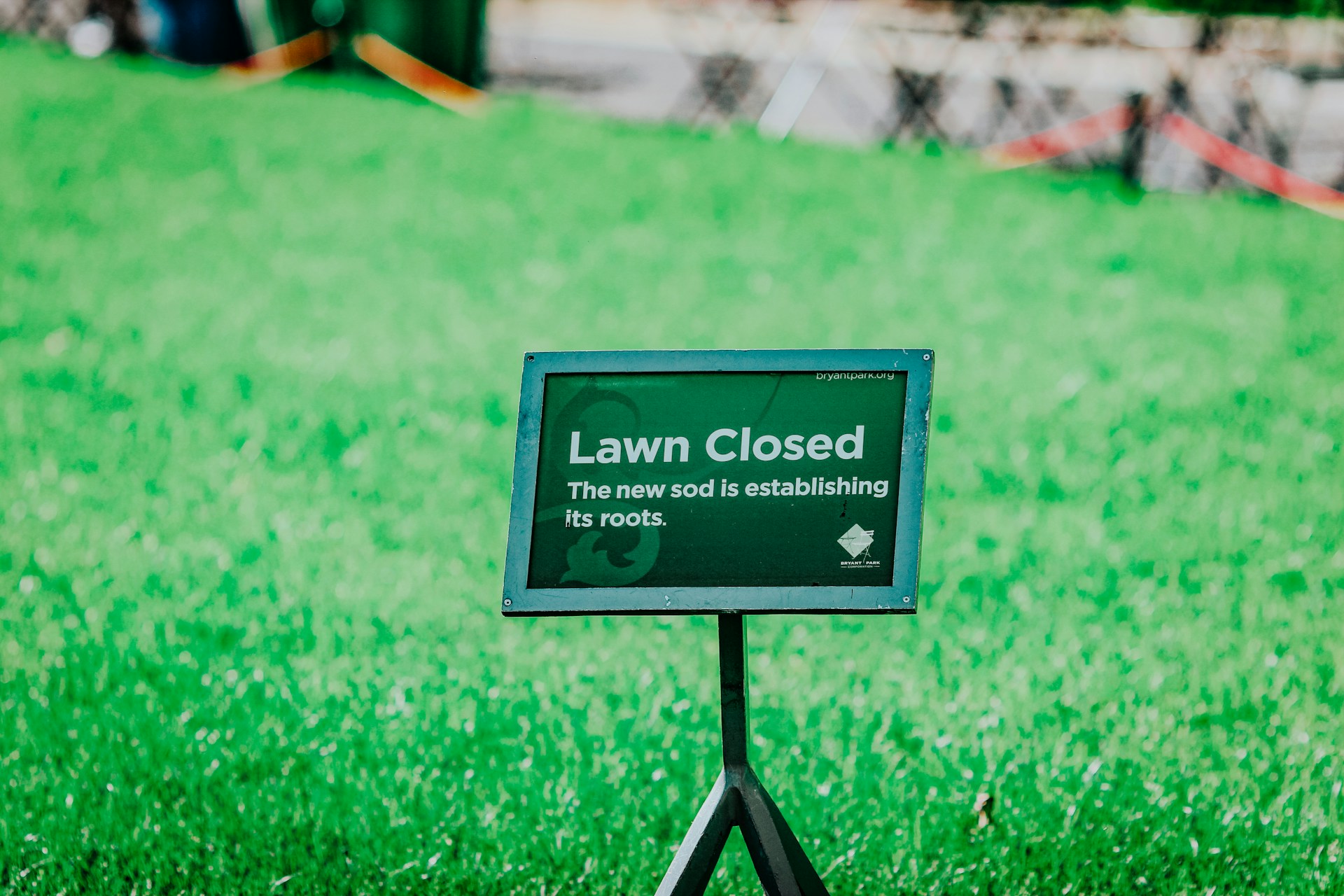
In cases where sod is installed, results are immediate in appearance, but true root establishment still requires time. Sod generally takes two to four weeks to root properly, with full integration into the soil occurring after six to eight weeks.
Steps Involved in Restoring a Dead Lawn
Lawn restoration is a multi-step process that directly impacts how quickly results are achieved. Skipping steps or performing them incorrectly can significantly delay recovery.
- Removing Dead Grass: Thatch, weeds, and dead grass must be removed to allow new seed or sod to make direct contact with the soil.
- Soil Preparation: Aerating compacted soil and amending it with organic matter improves drainage and root development.
- Seeding or Sodding: Selecting the right grass type for the climate and usage needs ensures long-term success.
- Watering: Consistent moisture is critical during the early stages of restoration, especially during germination.
- Fertilization: Starter fertilizers promote root growth and accelerate establishment.
Seasonal Impact on Lawn Recovery
The time of year greatly influences how long it takes to restore a dead lawn. Spring and early fall are ideal seasons for lawn restoration due to moderate temperatures and consistent rainfall. Lawns restored during these periods often establish faster and more evenly.
Summer restoration is possible but more challenging. High temperatures increase water requirements and stress young grass. Winter restoration is typically not recommended, as cold temperatures prevent germination and root growth.
How Long Until the Lawn Looks Normal Again?
While new grass may begin growing within weeks, achieving a thick, healthy, and visually appealing lawn takes longer. Most homeowners can expect their lawn to look reasonably full within two to three months after reseeding. However, achieving a mature, resilient lawn may take one full growing season.
During this time, mowing should be done carefully, avoiding cutting the grass too short. Regular watering, proper fertilization, and weed control are essential to support healthy development.
Common Mistakes That Delay Lawn Restoration
Many homeowners unintentionally slow down lawn recovery by overwatering or underwatering. Excessive watering can cause fungal diseases, while insufficient moisture prevents germination. Another common mistake is using the wrong grass seed for the local climate.
Failing to address soil issues, such as compaction or poor nutrient levels, also extends restoration time. Additionally, applying weed killers too soon can damage new grass and set back progress.
DIY Restoration vs Professional Lawn Care
Restoring a dead lawn can be done independently, but professional lawn care services often accelerate the process. Professionals have access to commercial-grade equipment, soil testing, and tailored treatment plans that improve success rates.
Homeowners choosing the DIY route should be prepared for a longer learning curve and more trial and error. In contrast, professional services can reduce restoration time and minimize costly mistakes.
Long-Term Care After Lawn Restoration
Once the lawn has been restored, ongoing maintenance determines whether it remains healthy or declines again. Regular mowing, seasonal fertilization, aeration, and proper watering schedules are essential for long-term success.
A restored lawn that receives consistent care can remain lush and green year-round, while neglected lawns may deteriorate within a single season. Investing time in proper lawn care after restoration ensures that the effort and patience required to revive a dead lawn pay off in the long run.
In most cases, restoring a dead lawn takes anywhere from a few weeks to several months, depending on conditions and methods used. With the right approach, patience, and consistent care, even the most damaged lawn can be brought back to life and transformed into a healthy, attractive outdoor space.