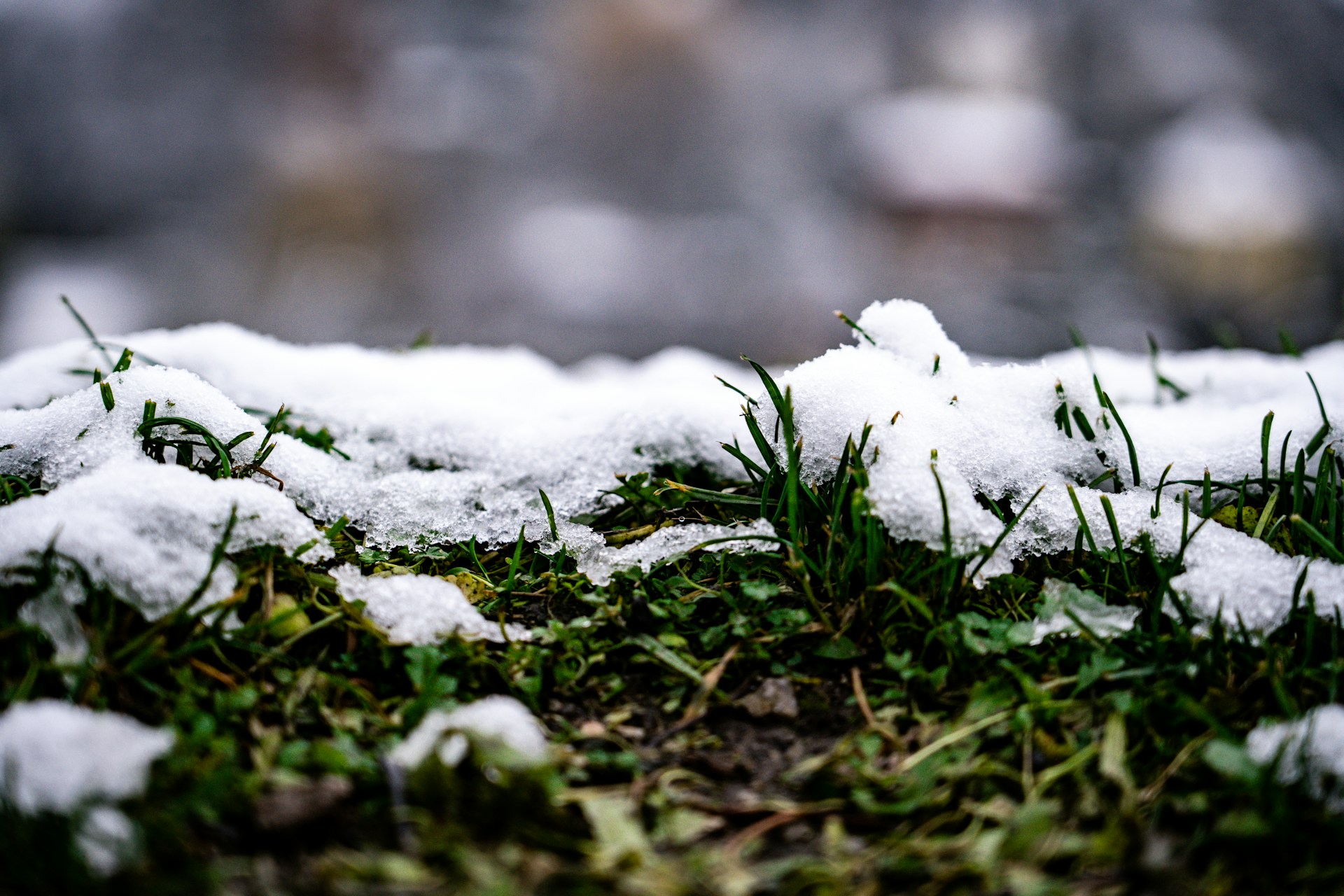
 Photo by Tobias Arweiler on Unsplash
Understanding Lawn Care in Cold Climate States
Lawn care in cold climate states requires a specialized approach that accounts for long winters, freezing temperatures, snow cover, and short growing seasons. Grass in northern regions faces unique stress factors such as frost damage, soil compaction from snow, and delayed spring recovery. Homeowners looking for effective lawn care solutions must focus on seasonal timing, cold-tolerant grass varieties, and proper soil preparation to maintain a healthy and resilient lawn.
Cold climates demand proactive lawn care planning. Unlike warmer regions where grass grows most of the year, lawns in colder states have a limited window for active growth. Every maintenance step, from fertilization to mowing, must be carefully timed to support root development and winter survival.
Best Grass Types for Cold Climate Lawns
Selecting the right grass species is essential for successful lawn care in cold climate states. Cool-season grasses are best suited for these regions because they thrive in lower temperatures and recover well after winter dormancy. Common options include Kentucky bluegrass, perennial ryegrass, and fine fescue.
These grass types are known for their ability to withstand freezing conditions, snow cover, and early spring temperature fluctuations. Many lawn care professionals recommend grass blends rather than a single species, as mixed lawns offer improved disease resistance, durability, and adaptability to changing weather patterns.
Soil Health and Preparation in Cold Regions
Healthy soil is the foundation of effective lawn care in cold climates. Freezing and thawing cycles can lead to soil compaction and nutrient loss, making it harder for grass roots to absorb water and oxygen. Aeration plays a critical role in maintaining soil structure and improving root growth.
Adding organic matter such as compost enhances soil fertility and improves drainage, which is especially important during spring snowmelt. Regular soil testing helps identify pH imbalances and nutrient deficiencies common in cold climate lawns, allowing for targeted amendments that support long-term turf health.
Seasonal Lawn Care Timing and Strategy
Timing is one of the most important aspects of lawn care in cold climate states. Spring lawn care focuses on gradual recovery, avoiding aggressive treatments that can stress emerging grass. Light fertilization and overseeding are commonly used to repair winter damage.
Fall is the most critical season for cold climate lawn care. During this period, grass actively stores nutrients in its roots in preparation for winter. Fall fertilization strengthens root systems, improves cold tolerance, and promotes healthier green-up in spring. Proper seasonal planning significantly increases lawn resilience against harsh winter conditions.
Watering Practices in Cooler Temperatures
Watering needs in cold climates differ from those in warmer regions. Overwatering can lead to shallow root systems and increase the risk of fungal diseases, especially during cool and damp periods. Lawn care professionals recommend watering deeply but less frequently to encourage strong root development.
Irrigation systems should be winterized before the first freeze to prevent pipe damage. Monitoring rainfall and soil moisture is essential, particularly during early spring and late fall when evaporation rates are low and excess water can accumulate.
Fertilization and Nutrient Management
Proper fertilization supports lawn health throughout the short growing season typical of cold climate states. Slow-release fertilizers are preferred because they provide steady nutrient availability without forcing excessive top growth. Nitrogen application should be balanced to avoid stimulating growth late in the season, which can make grass more vulnerable to frost damage.
Potassium is especially important for cold climate lawns, as it enhances stress tolerance and improves winter hardiness. Lawn care services often design fertilization programs that align with regional climate patterns and soil conditions.
Mowing Techniques for Cold Climate Lawns
Mowing practices have a direct impact on lawn survival during winter. Grass should be gradually lowered toward the end of the growing season, but not cut too short. Leaving grass slightly taller helps protect the crown from cold temperatures while reducing the risk of snow mold.
Sharp mower blades are essential to prevent tearing, which can weaken grass before winter dormancy. Lawn care experts recommend maintaining consistent mowing schedules during active growth periods to promote dense and uniform turf.
Managing Weeds, Pests, and Diseases
Cold climate lawns face unique weed and disease challenges. Weeds often emerge aggressively in early spring when grass growth is slow. Pre-emergent treatments and healthy turf density are key components of effective weed control.
Snow mold and fungal diseases are common in regions with prolonged snow cover. Preventive lawn care measures such as proper fall fertilization, debris removal, and controlled watering reduce the risk of disease outbreaks. Integrated pest management strategies help maintain lawn health while minimizing chemical use.
Importance of Local Lawn Care Services
Searching for lawn care near me is particularly valuable in cold climate states because local professionals understand regional weather patterns, soil types, and seasonal challenges. Local lawn care services provide customized treatment plans that reflect the realities of northern climates.
Experienced providers help homeowners avoid common mistakes such as early spring over-fertilization or improper fall mowing. Their expertise ensures lawns are prepared for winter and positioned for strong recovery in the following growing season.
Long-Term Lawn Care Success in Cold Climates
Achieving long-term success with lawn care in cold climate states requires consistency, patience, and climate-aware practices. By focusing on soil health, proper grass selection, seasonal timing, and professional guidance, homeowners can maintain lawns that withstand harsh winters and thrive during limited growing periods.
With the right lawn care strategy, cold climate lawns can remain dense, healthy, and visually appealing year after year. Thoughtful planning and local expertise transform challenging environmental conditions into sustainable and resilient outdoor spaces.