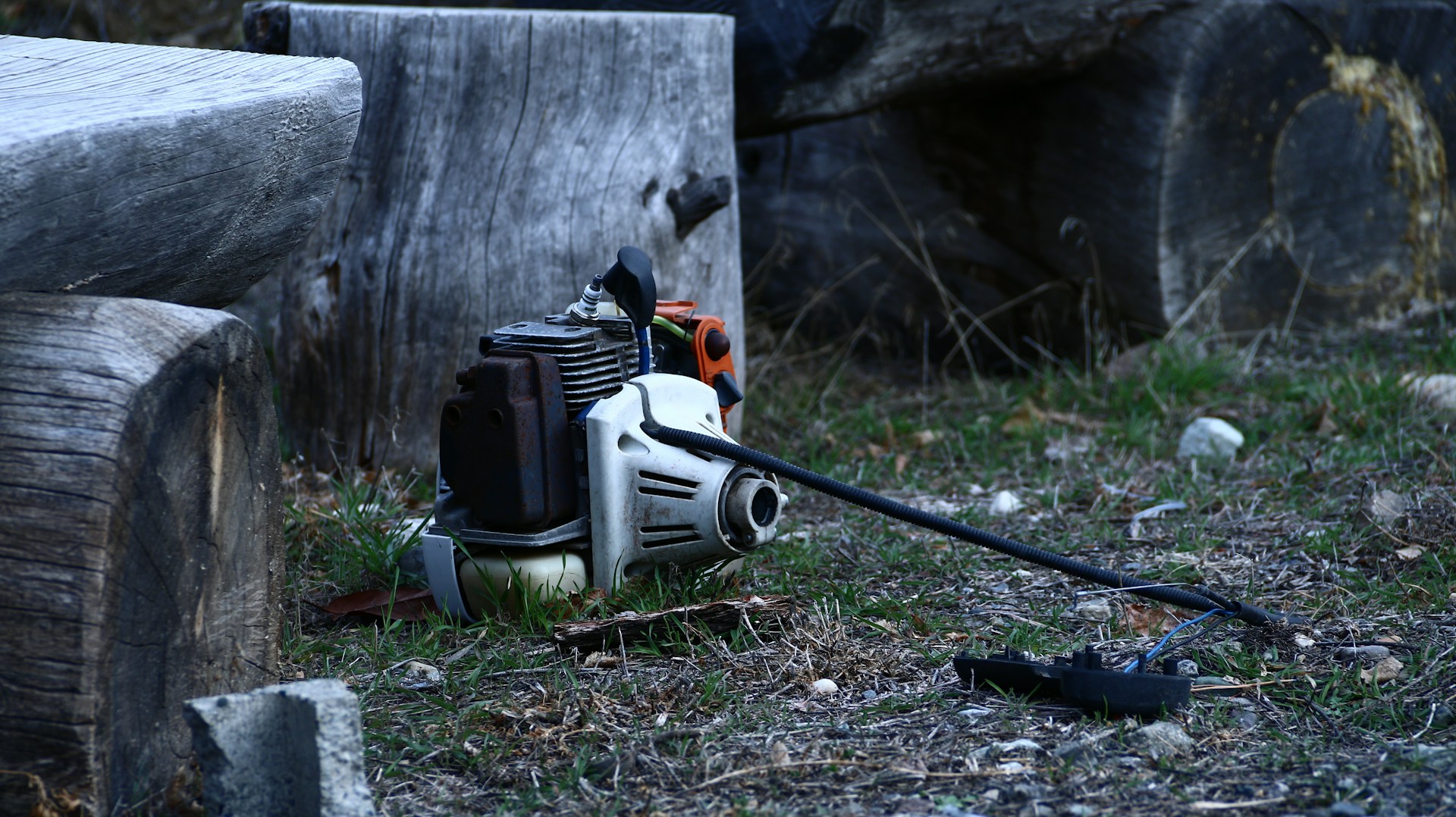
 Photo by Max Mustermann on Unsplash
Why Choosing the Right Weed Trimmer Matters for Lawn Care
A weed trimmer is an essential tool for maintaining a neat and professional-looking lawn. While lawn mowers handle the bulk of grass cutting, weed trimmers reach areas that mowers cannot — including edges along driveways, sidewalks, around trees, fences, flower beds, and other tight spaces. The best weed trimmers help homeowners eliminate unwanted grass and weeds without damaging desirable turf and landscape features.
When selecting a weed trimmer, homeowners should consider factors such as power source, cutting width, ease of use, weight, and versatility. The ideal trimmer balances performance with comfort, making outdoor maintenance tasks easier and faster while delivering clean, precise cuts that enhance curb appeal and lawn health.
Types of Weed Trimmers and Power Options
Weed trimmers are available in different power configurations, each with advantages and limitations. Understanding these options helps homeowners choose the right tool for their lawn size and care needs.
- Electric Corded Trimmers – Powered by an electrical cord and ideal for small lawns. They offer continuous power without the need for batteries or fuel, but require an outlet and extension cord.
- Cordless Battery-Powered Trimmers – Offer excellent mobility and quieter operation. Modern lithium-ion batteries provide significant runtime and power, making these trimmers a popular choice for most homeowners.
- Gas-Powered Trimmers – Provide the highest power and are best suited for large lawns, thick weeds, and heavy-duty trimming tasks. They require fuel and maintenance but deliver continuous performance without battery limitations.
Key Features to Look for in Weed Trimmers
Not all weed trimmers are created equal. Certain features help ensure the trimmer performs well and meets specific lawn care needs. Evaluating these features helps homeowners make an informed choice.
- Cutting Width – A wider cutting swath covers more area with each pass, reducing trimming time.
- Adjustable Shaft – Allows customization of the trimmer’s length for ergonomic comfort and easier reach in tight spaces.
- Dual-Line or Single-Line Cutting – Dual-line trimmers cut faster and more evenly, while single-line designs use less power and are lighter.
- Weight and Balance – Lightweight models reduce fatigue during extended use, especially for homeowners with larger yards.
- Attachments and Versatility – Some trimmers offer attachments for edging, brush cutting, and even hedge trimming, increasing overall utility.
Benefits of Electric and Battery-Powered Weed Trimmers
Electric and cordless battery-powered weed trimmers offer several homeowner-friendly benefits. They are quieter than gas models, require less maintenance, and produce zero emissions at the point of use. These trimmers are often lighter and easier to handle, making them ideal for novice users or smaller properties.
Advances in battery technology have significantly improved runtime and power output. Many battery-powered trimmers now compete with gas models in performance while delivering greater convenience. These models are especially effective for routine lawn trimming, edge work, and light to moderate weed control.
Advantages of Gas-Powered Weed Trimmers
Gas-powered trimmers remain the top choice for homeowners with large properties or heavy-duty trimming needs. They deliver continuous power and are not limited by battery runtime, making them ideal for thick weeds, brush, and extensive trimming tasks. Gas trimmers also tend to have more torque and cutting force, which helps tackle tough vegetation with ease.
While gas models require fuel, oil, and regular maintenance, their durability and consistent performance make them valuable for demanding lawn care routines.
Popular Weed Trimmer Uses in Lawn Care
Homeowners use weed trimmers in a variety of lawn care applications beyond simple weed removal. These tools enhance overall lawn aesthetics and support healthy grass growth when used correctly.
- Edging along driveways and walkways – Creates clean borders and a manicured appearance.
- Trimming around landscape features – Reaches areas around trees, garden beds, and fences.
- Maintaining lawn perimeters – Keeps edges neat where mowers cannot reach.
- Clearing thick vegetation – Gas-powered trimmers can handle brush and overgrowth.
- Detail work after mowing – Finishes lawn cutting with precision trimming.
Safety Tips for Using Weed Trimmers
Proper safety practices ensure effective lawn care while preventing injuries. Weed trimmers operate at high speeds and can eject debris, so caution and protective gear are essential.
- Wear eye protection to guard against flying debris.
- Use gloves and long pants to protect skin from cuts and abrasions.
- Clear the area of rocks, sticks, and other obstacles before trimming.
- Follow manufacturer guidelines for assembly, operation, and maintenance.
- Avoid trimming near pedestrians or pets to reduce risk of injury.
Maintaining Your Weed Trimmer for Longevity
Proper maintenance ensures your weed trimmer performs reliably and lasts for years. Simple upkeep tasks help keep the cutting mechanism sharp and the unit operating smoothly.
Electric and battery trimmers benefit from regular cleaning of the cutting head and battery storage in dry, cool environments. Gas-powered models require additional steps such as fuel stabilization, spark plug inspection, air filter cleaning, and blade or line replacement. Following a seasonal maintenance schedule keeps your trimmer ready for regular lawn care tasks.
How to Choose the Best Weed Trimmer for Your Lawn
Selecting the best weed trimmer depends on your lawn size, edging needs, and vegetation density. Smaller lawns with light weeds often perform well with battery-powered models, while larger properties with dense growth may require gas-powered trimmers for maximum cutting power and runtime.
Assess your yard conditions, preferred power source, and comfort level with maintenance prior to purchase. Comparing multiple models and reviewing user feedback helps narrow down choices to the most effective and reliable trimmers for your lawn care routine.
Conclusion: Enhancing Lawn Care with the Right Weed Trimmer
The best weed trimmers for lawn care help homeowners maintain crisp edges, well-groomed turf, and a polished outdoor appearance. By understanding the differences between electric, battery, and gas-powered models, you can choose a trimmer that fits your lawn’s size, terrain, and mowing frequency. Investing in a quality weed trimmer improves lawn aesthetics, reduces manual labor, and ensures those hard-to-reach areas receive consistent care. With proper use and maintenance, the right weed trimmer becomes an invaluable part of a comprehensive lawn care toolkit.