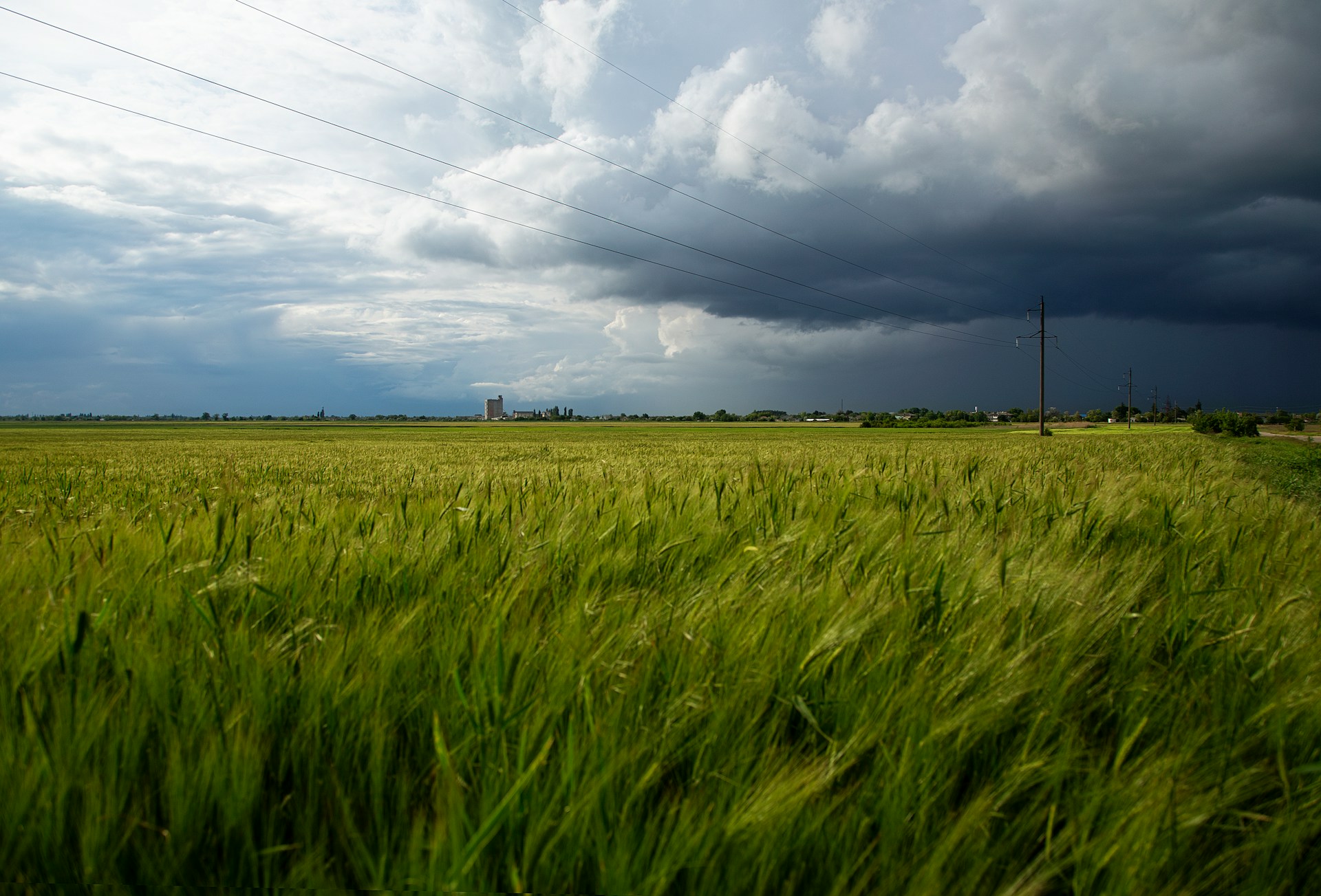
Understanding Hurricane Damage to Lawns
Hurricanes can cause extensive damage to residential and commercial lawns through heavy rainfall, flooding, strong winds, saltwater intrusion, and debris impact. Lawns in coastal and storm-prone regions are especially vulnerable to soil erosion, turf loss, compacted ground, and widespread plant stress. Lawn care after hurricane damage requires a structured recovery plan that prioritizes safety, soil restoration, and long-term turf health.
Immediate assessment is critical. Standing water, fallen trees, uprooted sod, and contaminated soil can all affect how quickly and effectively a lawn recovers. Understanding the type and severity of damage helps determine the most appropriate lawn care strategy.
Initial Lawn Inspection and Safety Measures
Before beginning any lawn care work after a hurricane, safety must come first. Downed power lines, sharp debris, unstable trees, and hidden hazards under floodwater pose serious risks. Once the area is safe, a thorough inspection of the lawn should be conducted to identify damaged turf, compacted soil, drainage issues, and areas affected by erosion.
Documenting damage with photos can be useful for insurance claims and for planning professional lawn care services if needed. Clearing visible debris allows the lawn to begin drying and prevents further turf damage.
Debris Removal and Surface Cleanup
Hurricanes often leave lawns covered with branches, leaves, roofing materials, and other debris. Prompt cleanup is essential to restore airflow and sunlight to the grass. Organic debris left on the lawn can trap moisture, leading to fungal growth and turf suffocation.
Raking should be done carefully to avoid pulling up weakened grass. In heavily affected areas, professional lawn care crews may use specialized equipment to remove debris without further damaging the soil surface.
Managing Flooded and Waterlogged Lawns
Flooding is one of the most destructive effects of hurricanes on lawns. Prolonged standing water deprives grass roots of oxygen, leading to root rot and turf death. Lawn care after hurricane flooding focuses on improving drainage and allowing the soil to dry naturally.
Mechanical aeration helps relieve soil compaction caused by floodwaters. In severe cases, soil replacement or grading may be necessary to restore proper drainage patterns and prevent recurring water issues.
Soil Recovery and Contamination Concerns
Hurricane floodwaters may carry contaminants such as oil, chemicals, sewage, and saltwater. Salt damage is especially common in coastal areas and can severely affect grass growth. Flushing the soil with fresh water helps dilute salts and contaminants, but this must be done carefully to avoid further saturation.
Soil testing after hurricane damage is strongly recommended. Testing identifies pH imbalances, nutrient deficiencies, and contamination levels, allowing for targeted lawn care treatments that support safe and effective recovery.
Repairing Bare Spots and Turf Loss
Strong winds and erosion can strip away grass, leaving bare patches throughout the lawn. These areas are highly susceptible to weeds and further erosion if not addressed promptly. Lawn care after hurricane damage often includes reseeding or resodding damaged sections.
Choosing grass varieties suited to local climate and soil conditions improves recovery success. Temporary erosion control measures, such as straw or biodegradable mats, may be used to stabilize soil while new grass establishes.
Fertilization After Hurricane Stress
Fertilizing immediately after a hurricane is not always advisable. Stressed lawns need time to recover before receiving nutrients. Applying fertilizer too early can burn weakened grass and encourage disease.
Once the lawn shows signs of new growth, slow-release fertilizers can be applied to support root development and turf density. Balanced fertilization helps restore nutrients lost through flooding and runoff while promoting healthy regrowth.
Preventing Lawn Diseases After Storms
Excess moisture and warm temperatures following hurricanes create ideal conditions for fungal diseases. Brown patch, root rot, and mold outbreaks are common during post-storm recovery periods. Preventive lawn care practices are essential to minimize disease spread.
Improving airflow, mowing at proper heights, and avoiding overwatering help reduce disease pressure. In severe cases, lawn care professionals may recommend fungicide treatments as part of an integrated disease management plan.
Weed Control During Lawn Recovery
Weeds often take advantage of weakened turf after hurricane damage. Bare soil and reduced competition allow invasive plants to establish quickly. Effective lawn care includes early weed detection and targeted control methods.
Pre-emergent treatments may be used once conditions stabilize, while manual removal or spot treatments help control existing weeds without harming recovering grass.
Tree and Landscape Impact on Lawn Health
Fallen or damaged trees can significantly affect lawn recovery by altering sunlight patterns and root competition. Removing damaged trees and trimming overhanging branches helps restore proper light exposure and airflow.
Tree roots exposed by erosion should be covered carefully to prevent further damage. Coordinating lawn care with landscape restoration ensures balanced recovery across the entire property.
Long-Term Lawn Care Strategies After a Hurricane
Full lawn recovery after hurricane damage can take weeks or even months, depending on severity. Ongoing lawn care should focus on strengthening root systems, improving soil structure, and preventing future damage.
Adjusting mowing schedules, irrigation practices, and fertilization plans helps the lawn adapt to post-storm conditions and rebuild resilience against future extreme weather events.
Hiring Professional Lawn Care After Hurricane Damage
Many homeowners search for lawn care near me after a hurricane to address complex recovery challenges. Professional lawn care services bring expertise, equipment, and local knowledge that significantly speed up restoration.
Local lawn care companies understand regional storm patterns, soil types, and grass varieties, allowing them to deliver customized recovery plans. Their support can be crucial in restoring lawn health efficiently and preventing long-term damage.
Restoring Lawn Health and Appearance
Lawn care after hurricane damage is a multi-step process that requires patience, planning, and consistent maintenance. While hurricanes can leave lawns severely stressed, proper recovery techniques make it possible to restore both function and appearance.
With timely intervention, informed lawn care decisions, and professional assistance when necessary, damaged lawns can regain strength, density, and visual appeal, ensuring long-term health even in storm-prone regions.