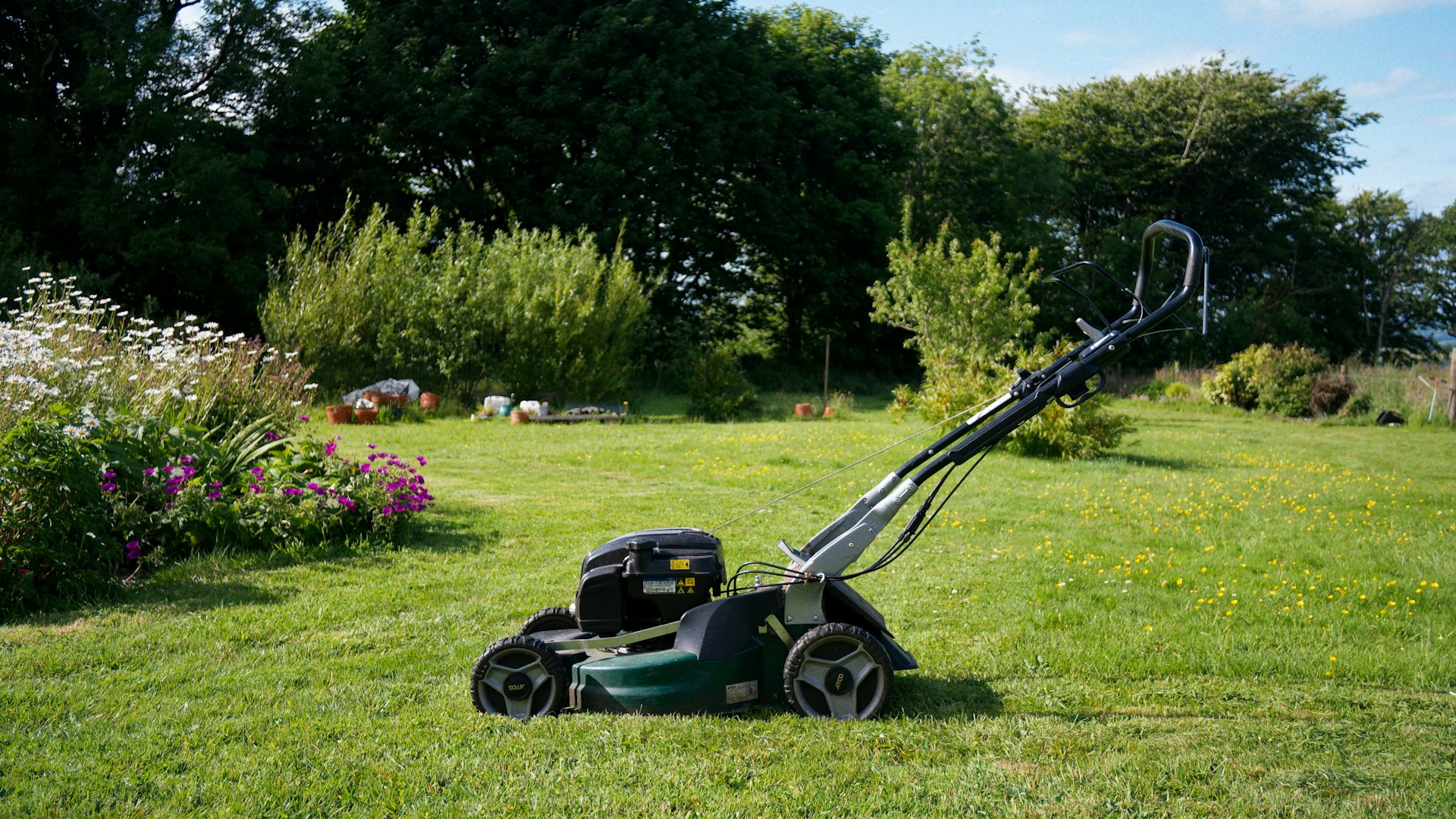
 Photo by Marc Pell on Unsplash
Starting a lawn care business in the USA can be a profitable and scalable opportunity for entrepreneurs who enjoy outdoor work and hands-on services. With consistent demand from residential and commercial clients, lawn care offers a low barrier to entry and strong long-term growth potential when structured correctly.
Understanding the Lawn Care Industry
The lawn care industry in the United States serves millions of homeowners, property managers, and businesses. Services range from basic mowing and trimming to fertilization, weed control, landscaping, and seasonal cleanups. Understanding local demand, climate conditions, and customer expectations is the foundation of a successful lawn care business.
Market research helps identify service gaps, pricing standards, and competitor strengths. This knowledge allows new businesses to position themselves effectively and avoid common startup mistakes.
Creating a Lawn Care Business Plan
A well-structured business plan defines your goals, services, pricing strategy, and growth roadmap. Even small lawn care startups benefit from planning, as it clarifies costs, revenue targets, and operational requirements.
Your business plan should outline startup expenses, equipment needs, target customers, service areas, and marketing strategies. A clear plan also helps when applying for financing or business licenses.
Choosing the Right Lawn Care Services
New lawn care businesses often start with core services such as mowing, edging, and blowing. These services require minimal equipment and provide steady income. Over time, additional services can be added to increase profitability.
- Lawn mowing and maintenance
- Weed control and fertilization
- Aeration and overseeding
- Leaf removal and seasonal cleanup
- Landscape installation and upgrades
Registering and Legalizing Your Business
To operate legally in the USA, your lawn care business must be properly registered. This typically involves choosing a business structure such as sole proprietorship, LLC, or corporation. Many lawn care entrepreneurs choose an LLC for liability protection and tax flexibility.
You may need to register your business name, obtain an Employer Identification Number, and apply for local or state licenses. Some states also require pesticide application licenses for fertilization or weed control services.
Insurance and Risk Protection
Insurance is essential for protecting your lawn care business from financial risk. General liability insurance covers property damage and accidents, while commercial vehicle insurance is required if using branded or business-owned vehicles.
Workers’ compensation insurance may also be required when hiring employees. Proper coverage builds trust with customers and protects the business from unexpected claims.
Equipment and Tools Needed
Reliable equipment is critical for efficiency and service quality. Initial investments typically include a lawn mower, trimmer, blower, and basic hand tools. Equipment selection should match the size and scope of services offered.
Maintaining equipment properly reduces downtime and extends lifespan, which directly impacts profitability.
Pricing Lawn Care Services
Pricing should reflect local market rates, service complexity, and operational costs. Many lawn care businesses charge per visit, while others offer monthly or seasonal packages.
Transparent pricing builds trust and makes it easier for customers to commit to recurring services. Avoid underpricing, as it can limit growth and sustainability.
Building a Customer Base
Attracting customers is one of the most important steps in starting a lawn care business. Local marketing strategies often produce the best results, especially in residential neighborhoods.
- Local SEO and Google Business Profile
- Door hangers and flyers
- Referrals and word-of-mouth
- Social media presence
- Online directories and service platforms
Using Lawn Care Software and Online Tools
Modern lawn care businesses benefit greatly from digital tools. Scheduling software, invoicing platforms, and online payment systems streamline daily operations and improve customer experience.
Using software from the start helps establish professional workflows and supports future growth without operational bottlenecks.
Managing Time and Routes Efficiently
Efficient route planning reduces fuel costs and maximizes daily productivity. Grouping jobs by location saves time and allows for more appointments per day.
Consistent scheduling also helps customers know when to expect service, increasing satisfaction and retention.
Hiring Employees or Contractors
As demand grows, hiring help becomes necessary. Lawn care businesses may hire employees or work with independent contractors depending on local regulations and business goals.
Clear training, safety procedures, and performance expectations ensure consistent service quality across all crews.
Scaling and Growing the Business
Growth in the lawn care industry comes from expanding services, increasing route density, and improving customer retention. Upselling seasonal services and offering maintenance packages increases revenue per customer.
Strong branding, reliable service, and positive reviews help establish authority in the local market.
Long-Term Success in the Lawn Care Industry
Starting a lawn care business in the USA requires planning, dedication, and consistent execution. By focusing on service quality, efficient operations, and customer satisfaction, entrepreneurs can build a stable and profitable business.
With low startup costs, recurring demand, and scalable opportunities, lawn care remains one of the most accessible and rewarding service businesses for long-term success.