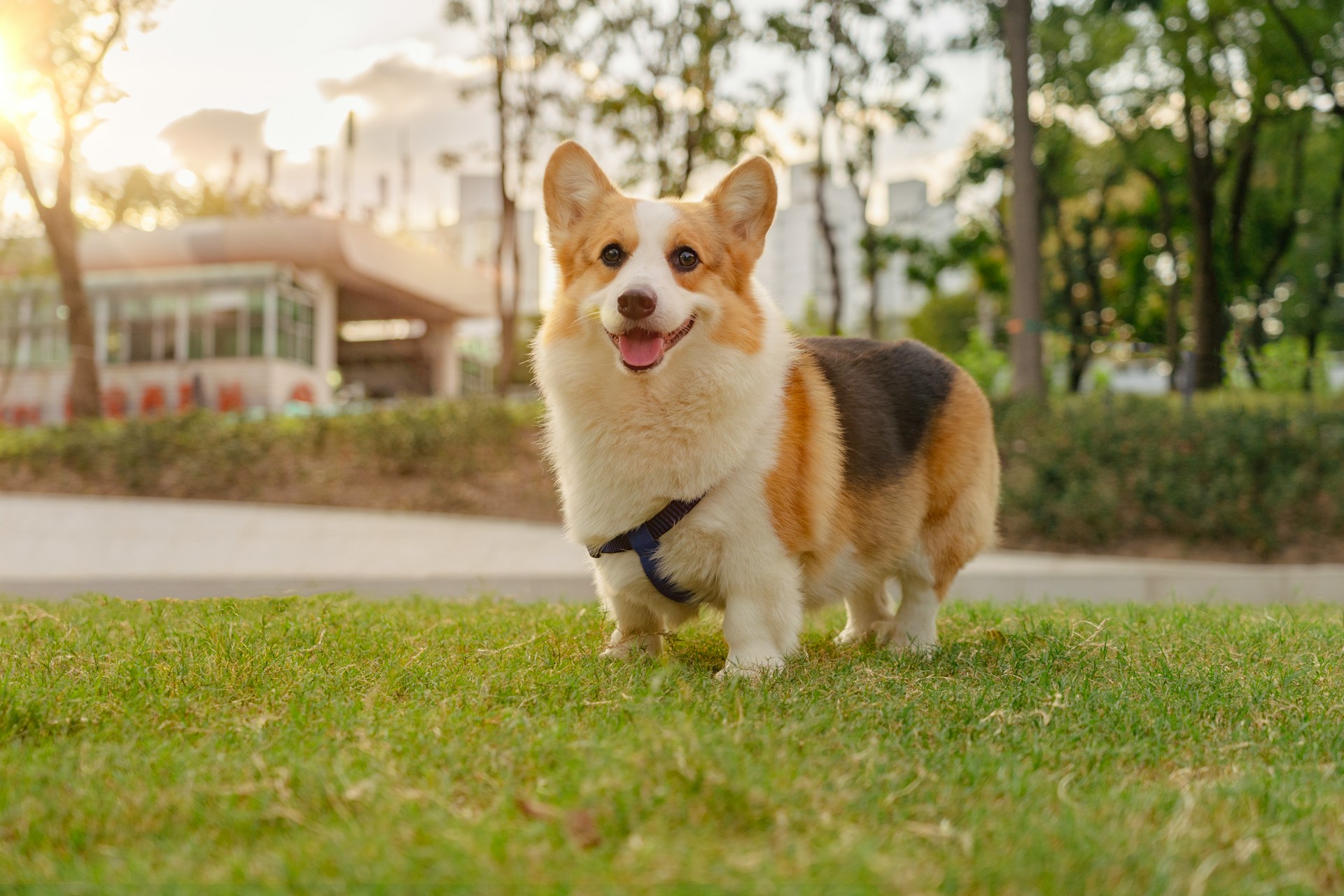
 Photo by Alvan Nee on Unsplash
Why Dog Urine Causes Brown Spots on Lawns
Dog urine spots on lawns are a common problem for homeowners, especially those with active pets. These spots usually appear as brown or yellow patches surrounded by darker green grass. The primary cause is the high concentration of nitrogen and salts found in dog urine. While nitrogen is an essential nutrient for grass, too much of it acts like a chemical burn, damaging grass blades and roots.
The severity of the damage depends on several factors, including the dog’s diet, the amount of urine, soil type, grass species, and weather conditions. Repeated urination in the same area significantly increases the likelihood of visible lawn damage.
How Dog Urine Affects Soil and Grass
When dog urine penetrates the soil, it alters the chemical balance by increasing nitrogen levels and salt concentration. This imbalance disrupts the grass’s ability to absorb water and nutrients properly. As a result, grass roots become stressed and eventually die.
In many cases, the soil beneath urine spots becomes compacted and dehydrated, further preventing healthy regrowth. Over time, untreated areas may turn into persistent bare patches that invite weeds and pests.
Identifying Dog Urine Damage vs Other Lawn Issues
It is important to confirm that brown patches are caused by dog urine and not other lawn problems such as fungal disease, drought stress, or insect damage. Dog urine spots typically have a distinct appearance, with a dead or yellow center and a ring of dark green grass around it.
The dark green ring forms because grass on the edges receives diluted nitrogen, which temporarily boosts growth. This pattern helps distinguish urine damage from other lawn issues.
Immediate Steps to Minimize Damage
Quick action can significantly reduce the severity of dog urine spots. Diluting the urine before it concentrates in the soil is one of the most effective short-term solutions.
- Rinse the area thoroughly with water as soon as possible
- Encourage your dog to drink more water to dilute urine
- Rotate your dog’s bathroom spots to avoid repeated damage
These steps help flush excess nitrogen and salts deeper into the soil, reducing the burning effect on grass.
How to Repair Existing Dog Urine Spots
Repairing dog urine spots requires removing damaged grass and improving soil conditions to support new growth. The process should be done carefully to ensure long-term lawn recovery.
- Rake out dead grass and loosen the soil surface
- Remove excess salts by deeply watering the area
- Apply a thin layer of quality topsoil or compost
- Reseed with a grass type suitable for your climate
- Keep the area consistently moist until new grass establishes
Patience is essential, as grass regrowth may take several weeks depending on weather and soil conditions.
Choosing the Right Grass for Dog-Friendly Lawns
Some grass varieties are more tolerant of dog urine than others. Cool-season grasses like perennial ryegrass and tall fescue tend to recover faster due to their deep root systems. Warm-season grasses such as Bermuda grass also show better resilience under repeated stress.
While no grass is completely immune, selecting more durable turf can significantly reduce visible damage and improve recovery time.
Soil Improvement for Long-Term Prevention
Healthy soil plays a crucial role in preventing and repairing dog urine spots. Soil rich in organic matter absorbs and distributes nutrients more evenly, reducing nitrogen concentration in any one spot.
Regular aeration improves drainage and allows roots to grow deeper, making grass more resistant to chemical stress. Applying compost or organic soil conditioners helps restore microbial balance and improves overall lawn resilience.
Watering Practices That Help Repair Urine Damage
Proper watering supports grass recovery and prevents future damage. Deep, infrequent watering encourages strong root growth and helps flush salts from the soil profile.
Shallow, frequent watering should be avoided, as it promotes weak roots and increases the likelihood of visible urine spots. Consistent watering schedules are especially important during hot and dry periods.
Fertilization and Dog Urine Spots
Applying fertilizer to areas affected by dog urine should be done with caution. Since urine already introduces excess nitrogen, additional fertilization can worsen damage.
Using slow-release fertilizers and applying them evenly across the lawn helps avoid nutrient overload. In many cases, fertilizing damaged spots should be delayed until grass begins to recover.
Preventing Dog Urine Spots in the Future
Prevention is often easier than repair when it comes to dog urine damage. Training dogs to use designated areas, maintaining healthy turf, and improving soil structure all contribute to long-term success.
Consistent lawn care, combined with proactive pet management, can significantly reduce the appearance of urine spots and maintain a lush, green lawn even in pet-friendly households.
When to Consider Professional Lawn Care
If dog urine damage becomes widespread or persistent, professional lawn care services may be beneficial. Experts can assess soil conditions, recommend appropriate grass types, and implement targeted treatments for faster recovery.
Professional solutions are especially useful for heavily trafficked lawns or properties where maintaining appearance is a priority.