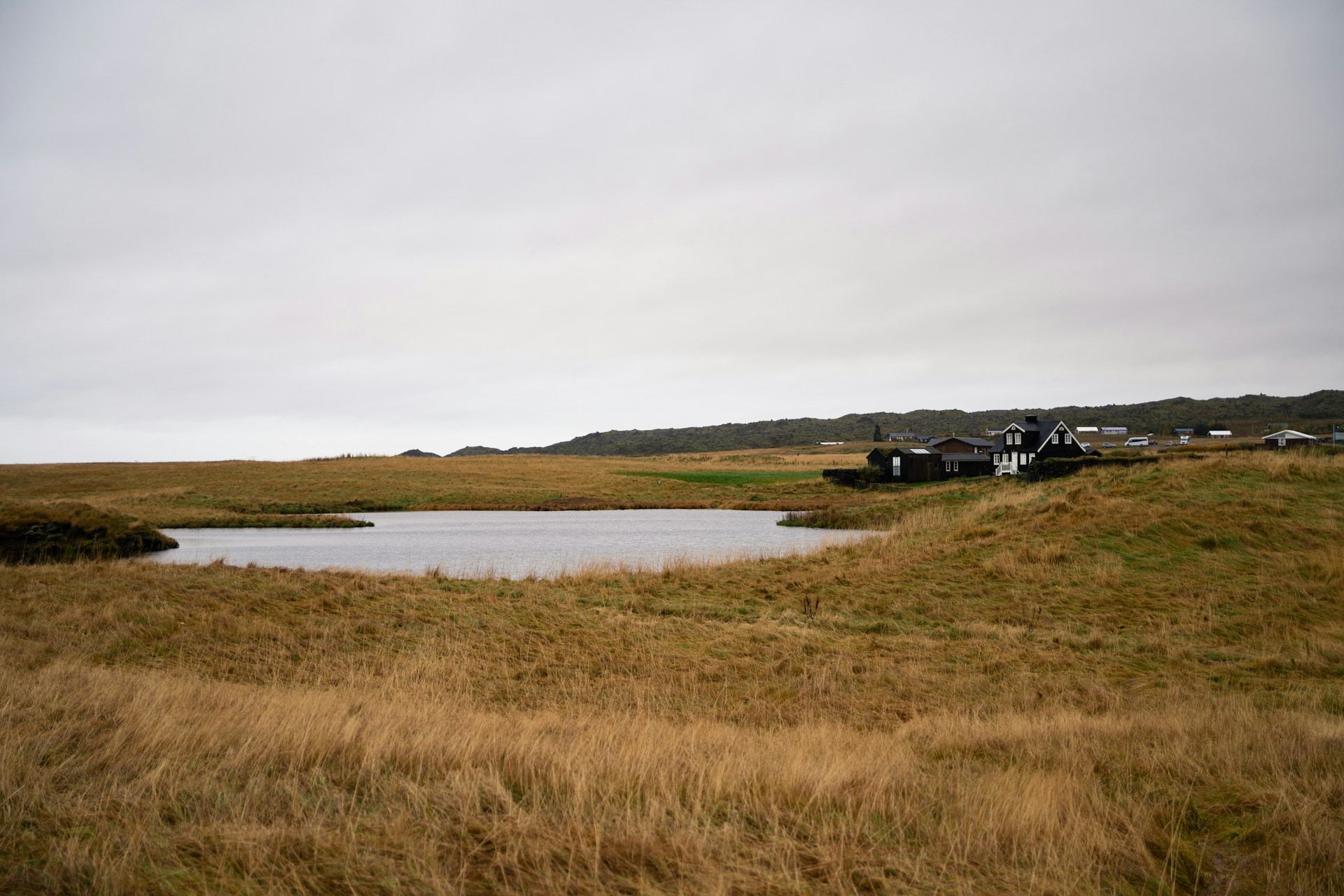
 Photo by A J. on Unsplash
Understanding Yellow Grass in Lawns
Yellow grass is one of the most common lawn care concerns homeowners face, and it often signals underlying problems that require attention. When grass loses its healthy green color and turns yellow, it means the turf is under stress. This discoloration can affect small patches or spread across the entire lawn, depending on the cause.
Grass color is directly tied to chlorophyll production, which depends on proper nutrients, water, sunlight, and soil conditions. Any disruption in these factors can result in yellowing grass. Identifying the root cause is essential for restoring lawn health and preventing long-term damage.
Overwatering and Poor Drainage
Excessive watering is one of the most frequent reasons grass turns yellow. While water is essential for grass growth, too much moisture suffocates roots and limits oxygen availability in the soil.
Waterlogged soil prevents roots from breathing properly.
Poor drainage leads to standing water and root rot.
Shallow root systems develop when grass is watered too frequently.
Yellow grass caused by overwatering often feels soft or spongy underfoot and may be accompanied by fungal issues.
Underwatering and Drought Stress
Insufficient water is another major cause of yellow grass. When grass does not receive enough moisture, it enters a survival mode to conserve energy.
Dry soil limits nutrient absorption.
Heat stress accelerates moisture loss.
Infrequent deep watering weakens root development.
Drought-stressed lawns often turn pale yellow before becoming brown if conditions persist.
Nutrient Deficiencies in Lawn Soil
Nutrient imbalance is a common reason grass loses its vibrant green color. Grass requires specific nutrients to maintain healthy growth and coloration.
Nitrogen deficiency is the most common cause of yellow grass, resulting in pale blades and slow growth.
Iron deficiency causes yellowing while veins remain green.
Potassium deficiency weakens grass and increases stress sensitivity.
Without proper soil nutrients, grass cannot produce sufficient chlorophyll, leading to widespread discoloration.
Soil pH Imbalance
Even when nutrients are present, grass may still turn yellow if soil pH is out of balance. Incorrect pH levels prevent grass from absorbing available nutrients.
Acidic soil limits nutrient uptake and root growth.
Alkaline soil can cause micronutrient deficiencies.
Long-term pH imbalance leads to persistent yellowing and thinning turf.
Soil testing is essential to determine whether pH adjustments are needed to restore healthy grass color.
Compacted Soil and Poor Root Development
Compacted soil restricts air, water, and nutrient movement, directly affecting grass health. When roots cannot expand freely, grass becomes stressed and discolored.
Heavy foot traffic compresses soil over time.
Clay-heavy soil naturally limits drainage and airflow.
Lack of aeration worsens compaction issues.
Yellow grass caused by compaction often appears in high-use areas such as walkways and play zones.
Lawn Diseases and Fungal Infections
Fungal diseases are another frequent cause of yellowing grass, especially in warm and humid conditions. These diseases attack grass blades and roots, disrupting normal growth.
Dollar spot creates yellow or straw-colored patches.
Fusarium and rust diseases weaken grass and reduce chlorophyll.
Excess moisture encourages fungal development.
Without proper treatment, fungal infections can spread rapidly and cause lasting lawn damage.
Improper Mowing Practices
Mowing mistakes often contribute to yellow grass by stressing turf beyond its recovery ability.
Cutting grass too short reduces photosynthesis capacity.
Dull mower blades tear grass instead of cutting cleanly.
Removing too much blade height weakens grass roots.
Healthy mowing habits support greener lawns and reduce stress-related discoloration.
Pest Damage and Insect Activity
Insects feeding on grass roots or blades can cause yellowing that resembles nutrient or water problems.
Grubs damage roots, limiting water uptake.
Chinch bugs suck moisture from grass blades.
Surface-feeding insects weaken turf structure.
Pest-related yellow grass often appears in irregular patches and worsens quickly if untreated.
Effects of Heat and Environmental Stress
Extreme temperatures place significant stress on lawns. Prolonged heat waves can cause grass to lose color as it conserves energy.
High soil temperatures reduce root function.
Increased evaporation leads to moisture loss.
Sun exposure intensifies stress in poorly rooted turf.
Heat-stressed grass often turns yellow before entering dormancy.
Chemical Burn from Fertilizers or Herbicides
Improper application of lawn chemicals can damage grass tissue and cause yellowing or scorching.
Over-fertilization burns grass blades and roots.
Uneven application creates patchy discoloration.
Incorrect product selection harms sensitive grass types.
Following label instructions and proper timing helps prevent chemical-related lawn damage.
Steps to Fix Yellow Grass
Correcting yellow grass begins with identifying the underlying cause and applying targeted solutions.
- Test soil to determine nutrient levels and pH.
- Adjust watering schedule based on soil and climate.
- Apply balanced fertilizer as recommended by soil test results.
- Aerate compacted areas to improve root access.
- Address pests or disease promptly to stop further damage.
Timely intervention helps restore grass color and prevent widespread lawn decline.
Preventing Yellow Grass Long-Term
Prevention is key to maintaining a consistently green and healthy lawn. A proactive lawn care routine minimizes stress factors that lead to yellowing.
Consistent mowing practices protect grass structure.
Seasonal fertilization maintains nutrient balance.
Proper watering habits support deep root growth.
Regular aeration improves soil health.
Healthy lawns are more resilient to environmental stress and less likely to turn yellow.
Why Addressing Yellow Grass Matters
Yellow grass is more than a cosmetic issue. It signals underlying problems that can weaken turf and invite weeds, pests, and disease. Addressing the cause early prevents costly repairs and preserves lawn density and durability.
By understanding why grass turns yellow and taking corrective action, homeowners can restore lawn vitality and maintain a lush, green appearance throughout the growing season.