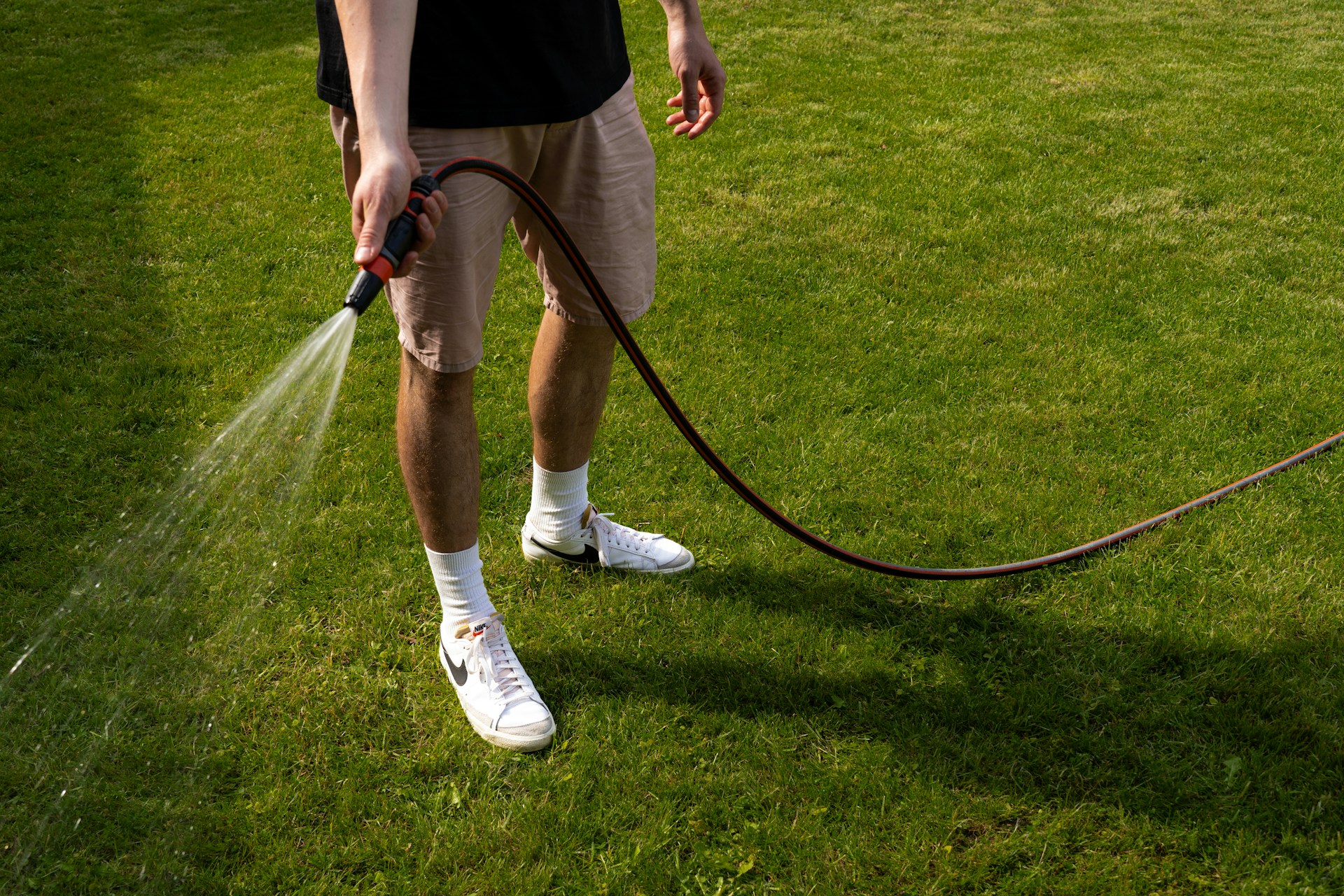
 Photo by Anastasiya Badun on Unsplash
The Importance of a Weekly Lawn Care Routine
A weekly lawn care checklist helps homeowners maintain a healthy, attractive, and resilient lawn throughout the growing season. Consistent attention prevents small issues from becoming costly problems and ensures that grass remains dense, green, and free of weeds. Weekly lawn care also supports soil health, improves root strength, and enhances overall curb appeal.
By following a structured routine, homeowners can adapt lawn care tasks to seasonal changes while maintaining a predictable schedule. This approach saves time, reduces stress, and delivers long-term results.
Inspecting the Lawn Each Week
Weekly lawn care should always begin with a visual inspection. Walking the lawn allows homeowners to identify early signs of stress, disease, pest activity, or uneven growth. Detecting problems early makes treatment more effective and less expensive.
During inspection, look for discoloration, thinning grass, standing water, compacted areas, or the presence of weeds. Pay close attention to high-traffic zones, shaded areas, and edges near sidewalks or driveways.
Mowing the Lawn Properly
Mowing is one of the most critical weekly lawn care tasks. Cutting grass at the correct height encourages deep root growth and reduces weed competition. Removing too much blade length at once can stress the lawn and weaken turf health.
Most lawns benefit from mowing once per week during active growth. Blades should be kept sharp to ensure clean cuts and prevent disease. Grass clippings can be left on the lawn to return nutrients to the soil.
Edging and Trimming for Clean Lines
Edging and trimming refine the appearance of the lawn and prevent grass from encroaching into flower beds, walkways, and driveways. Clean edges contribute to a professional, well-maintained look.
Weekly trimming around obstacles such as trees, fences, and garden borders ensures uniform growth and protects structures from damage caused by overgrown grass.
Checking Irrigation and Watering Needs
Watering should be reviewed weekly to ensure the lawn receives adequate moisture without overwatering. Deep, infrequent watering promotes stronger roots and drought tolerance.
Inspect sprinkler systems for leaks, clogged heads, or uneven coverage. Adjust watering schedules based on rainfall, temperature, and soil conditions to prevent water waste and lawn stress.
Weed Monitoring and Early Control
Weekly weed monitoring is essential for maintaining a healthy lawn. Young weeds are easier to remove and less likely to spread. Early intervention reduces the need for chemical treatments.
Spot-treat visible weeds by hand removal or targeted solutions. Preventive care and dense turf growth naturally suppress weed development over time.
Evaluating Lawn Health and Soil Conditions
Assessing lawn health each week helps homeowners understand how well the grass responds to care. Check soil moisture, firmness, and drainage patterns.
Compacted soil, dry patches, or water pooling may indicate the need for aeration, soil amendment, or adjustments to watering practices.
Managing Pests and Disease Symptoms
Weekly checks for pests and disease protect the lawn from severe damage. Look for chewed blades, discoloration, fungal spots, or unusual thinning.
Prompt identification allows for targeted treatment and reduces the risk of widespread infestation. Healthy lawns are naturally more resistant to pests and disease.
Seasonal Adjustments to the Weekly Checklist
While the core checklist remains consistent, weekly lawn care tasks should adapt to seasonal conditions. Spring emphasizes growth and recovery, summer focuses on stress management, and fall prepares the lawn for dormancy.
Adjust mowing height, watering frequency, and inspection focus to align with weather patterns and grass growth cycles.
Benefits of Consistent Weekly Lawn Care
Following a weekly lawn care checklist delivers long-term benefits, including improved turf density, reduced weeds, and enhanced visual appeal. Consistency minimizes the need for corrective treatments and supports sustainable lawn health.
Homeowners who maintain a weekly routine often enjoy lower maintenance costs, fewer lawn problems, and increased property value.
Creating a Sustainable Lawn Care Habit
Establishing a weekly lawn care habit encourages responsible property ownership and environmental stewardship. Small, regular efforts produce significant results over time.
A well-maintained lawn reflects attention to detail, pride of ownership, and a commitment to preserving outdoor spaces for years to come.