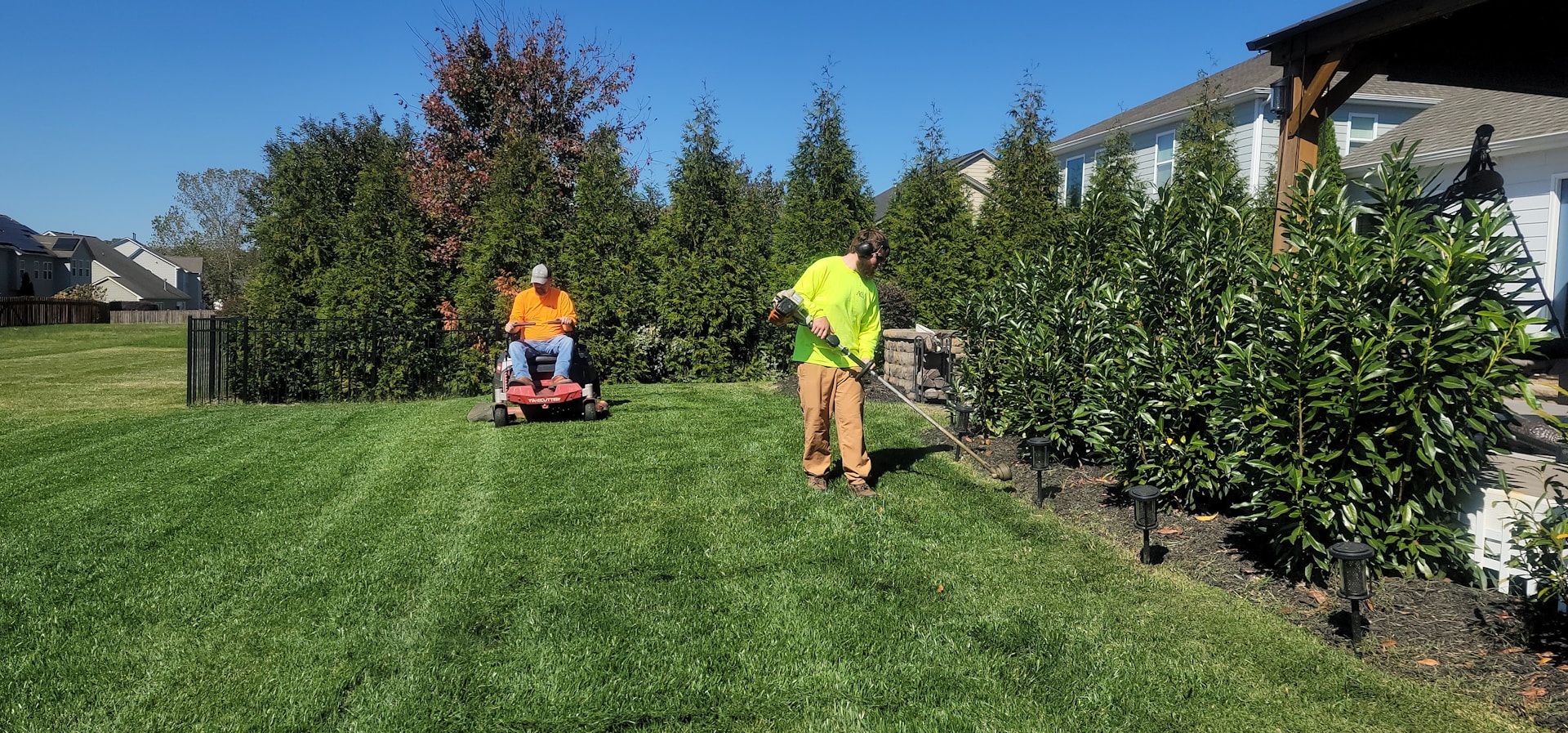
 Photo by Michael Smith on Unsplash
The Importance of Seasonal Lawn Care
Seasonal lawn care is essential for maintaining healthy grass, strong root systems, and consistent curb appeal throughout the year. Each season presents unique challenges and growth patterns that require specific care strategies. Adjusting lawn care practices to match seasonal conditions helps prevent stress, disease, and long-term damage while maximizing turf density and color.
A well-planned seasonal lawn care approach allows homeowners to work with natural growth cycles rather than against them. This results in a more resilient lawn that recovers faster from wear, weather extremes, and environmental stress.
Spring Lawn Care: Recovery and Growth
Spring marks the beginning of active growth for most grass types. After winter dormancy, lawns require attention to repair damage, encourage new growth, and prepare for the months ahead. Spring lawn care focuses on revitalizing turf and correcting issues caused by cold temperatures and moisture.
Early spring tasks include removing debris, assessing lawn condition, and addressing compacted soil. Aeration improves oxygen flow and nutrient absorption, while overseeding helps fill bare patches. Fertilization provides essential nutrients that support rapid growth and vibrant color.
Weed control is especially important in spring, as invasive plants begin to emerge. Preventive treatments and early removal reduce competition and protect grass from being overtaken.
Summer Lawn Care: Stress Management and Protection
Summer lawn care centers on protecting grass from heat, drought, and heavy foot traffic. High temperatures can stress turf, slow growth, and increase susceptibility to disease. Proper summer care emphasizes preservation rather than aggressive growth.
Mowing height should be adjusted higher during summer to provide shade for the soil and reduce moisture loss. Watering should be deep and infrequent to encourage strong root development and drought tolerance. Monitoring irrigation systems ensures even coverage and prevents waste.
Pest and disease inspections become critical during warm months. Early detection of insects and fungal issues helps minimize damage and maintain turf health.
Fall Lawn Care: Preparation and Strengthening
Fall is one of the most important seasons for lawn care. Cooler temperatures and increased moisture create ideal conditions for root development and recovery. Fall lawn care prepares turf for winter while strengthening it for the following spring.
Key fall tasks include aeration, overseeding, and fertilization. These practices promote dense growth and repair summer damage. Removing fallen leaves prevents suffocation and disease while maintaining airflow and sunlight exposure.
Weed control in fall is highly effective, as many weeds store nutrients in their roots. Targeted treatments during this season reduce weed pressure in the next growing cycle.
Winter Lawn Care: Protection and Maintenance
Winter lawn care focuses on protection and minimizing damage during dormancy. Grass growth slows or stops entirely, making turf more vulnerable to physical stress. Proper winter care helps preserve lawn structure until growth resumes.
Avoid heavy foot traffic on frozen or dormant lawns, as this can damage grass crowns. Clearing debris and preventing prolonged snow or ice buildup reduces the risk of mold and disease.
Equipment maintenance during winter ensures readiness for spring. Sharpening mower blades and servicing tools supports efficient lawn care in the coming season.
Seasonal Adjustments for Different Grass Types
Cool-season and warm-season grasses respond differently to seasonal changes. Cool-season grasses thrive in spring and fall, while warm-season grasses peak in summer. Understanding grass type allows homeowners to time fertilization, mowing, and watering more effectively.
Adapting seasonal lawn care practices to grass variety improves resilience and reduces unnecessary stress on turf.
The Role of Soil Health Across Seasons
Soil health plays a central role in successful seasonal lawn care. Regular aeration, proper nutrient management, and balanced moisture levels support strong root systems year-round.
Healthy soil enhances nutrient uptake, improves drainage, and increases resistance to disease and pests. Seasonal adjustments ensure soil conditions remain optimal regardless of weather changes.
Benefits of a Year-Round Lawn Care Strategy
A structured seasonal lawn care guide provides consistency and long-term benefits. Lawns maintained with seasonal awareness tend to be thicker, greener, and more resistant to stress.
Homeowners who follow a year-round strategy often experience lower maintenance costs, fewer lawn problems, and improved property value.
Creating a Sustainable Seasonal Lawn Care Plan
Developing a sustainable seasonal lawn care plan encourages efficient use of water, fertilizers, and resources. Small adjustments made at the right time prevent major issues and reduce environmental impact.
By aligning lawn care practices with seasonal needs, homeowners can maintain attractive, healthy lawns throughout spring, summer, fall, and winter.