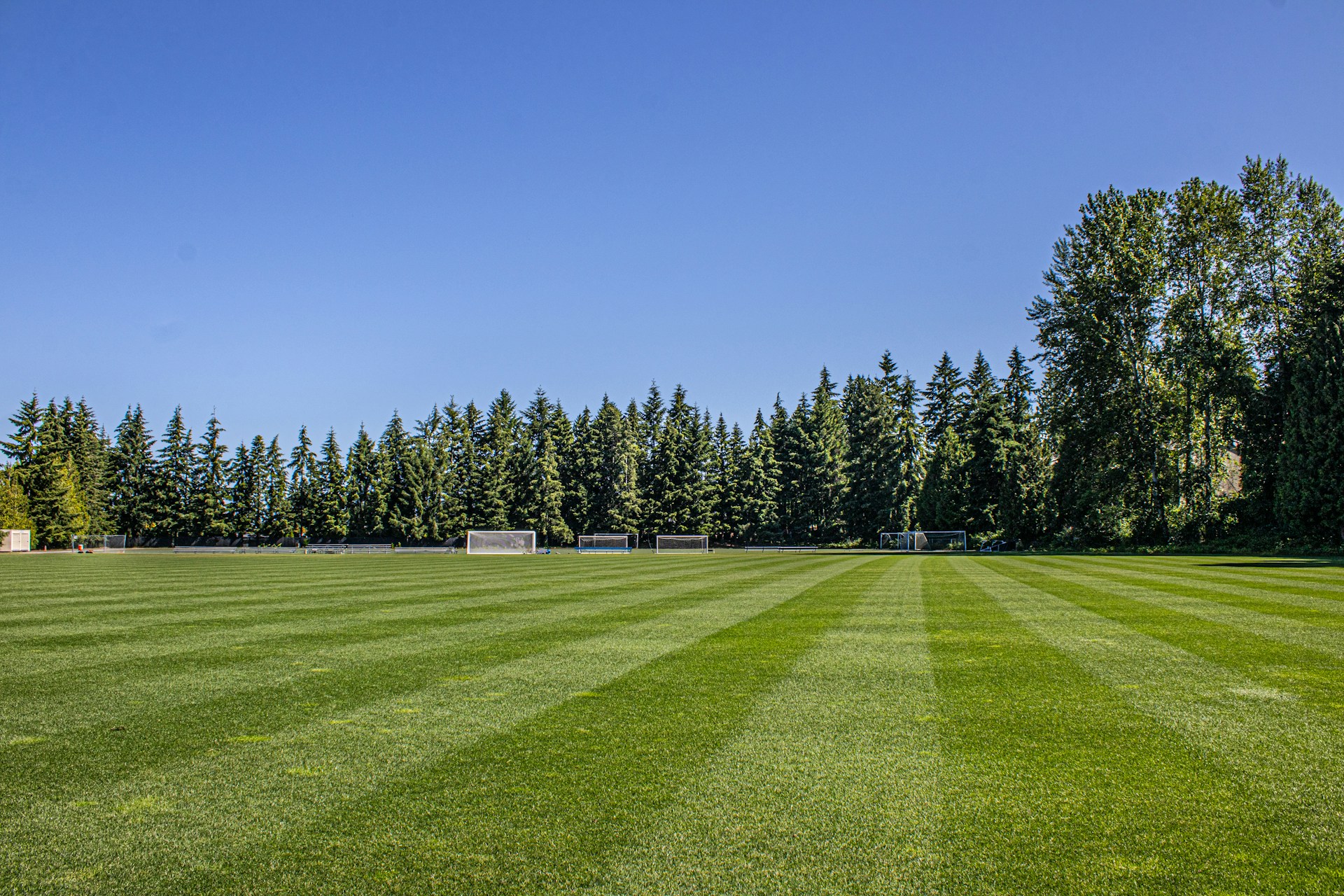
 Photo by Peter Robbins on Unsplash
Understanding Lawn Treatment Approaches
Lawn care can generally be divided into two main approaches: organic lawn care and chemical lawn treatments. Both methods aim to create healthy, attractive turf, but they differ significantly in materials, techniques, environmental impact, and long-term results. Understanding these differences helps homeowners choose the most suitable option for their lawn, lifestyle, and values.
Each approach has advantages and limitations. The best choice often depends on lawn condition, soil health, climate, and long-term maintenance goals.
What Is Organic Lawn Care
Organic lawn care focuses on improving soil health and supporting natural biological processes. It relies on natural materials such as compost, organic fertilizers, beneficial microbes, and natural weed control methods.
The primary goal of organic lawn care is to create a self-sustaining lawn ecosystem where healthy soil produces strong, resilient grass with minimal external intervention.
What Are Chemical Lawn Treatments
Chemical lawn treatments use synthetic fertilizers, herbicides, pesticides, and fungicides to address specific lawn issues quickly. These products are designed for rapid results and precise targeting of weeds, pests, and nutrient deficiencies.
Chemical treatments are commonly used in conventional lawn care programs and are often favored for their immediate visual impact and predictable performance.
Differences in Soil Health Management
Soil health is a major point of difference between organic and chemical lawn care. Organic methods prioritize soil structure, microbial activity, and long-term fertility.
Chemical treatments focus primarily on feeding the grass directly rather than improving the underlying soil. Over time, this can lead to soil dependency on synthetic inputs.
Speed of Results and Visual Impact
Chemical lawn treatments typically deliver faster visible results. Lawns often green up quickly after application, making this approach appealing for immediate improvements.
Organic lawn care usually produces slower results. Improvements in color and density occur gradually as soil health improves and natural processes take effect.
Weed Control Effectiveness
Weed control differs significantly between the two approaches. Chemical herbicides provide targeted and efficient weed elimination with quick results.
Organic weed control relies on prevention, manual removal, and natural suppressants. Dense turf, healthy soil, and proper mowing are the primary defenses against weeds.
Environmental Impact and Safety
Organic lawn care is generally considered more environmentally friendly. Natural inputs reduce the risk of chemical runoff, groundwater contamination, and harm to beneficial organisms.
Chemical lawn treatments may pose environmental risks if misapplied. Runoff and overuse can affect water sources, pollinators, and soil life.
Health Considerations for Families and Pets
Many homeowners choose organic lawn care to reduce exposure to synthetic chemicals. Organic methods are often perceived as safer for children, pets, and wildlife.
Chemical treatments may require temporary lawn restrictions after application. Proper handling and adherence to guidelines are essential to minimize health risks.
Cost and Maintenance Differences
Organic lawn care may have higher upfront costs due to soil amendments and natural products. However, long-term maintenance costs often decrease as soil health improves.
Chemical lawn treatments usually involve lower initial costs but may require ongoing applications to maintain results, leading to higher long-term expenses.
Long-Term Lawn Resilience
Organic lawns often develop stronger root systems and improved stress tolerance over time. Healthy soil supports consistent growth and natural resistance to pests and disease.
Chemically treated lawns may appear healthy but can be more vulnerable to stress if treatments are discontinued.
Choosing the Right Approach for Your Lawn
The decision between organic lawn care and chemical treatments depends on homeowner priorities. Those seeking long-term sustainability and environmental benefits may prefer organic methods.
Homeowners focused on rapid results and targeted problem-solving may choose chemical treatments or a hybrid approach.
Integrating Both Methods
Some lawn care programs combine organic and chemical approaches. This balanced strategy uses organic practices for soil health while applying limited chemical treatments when necessary.
Integrated lawn care offers flexibility and can deliver effective results while minimizing environmental impact.
Making an Informed Lawn Care Decision
Understanding the differences between organic lawn care and chemical lawn treatments empowers homeowners to make informed decisions. Each method has a place depending on lawn condition and goals.
By aligning lawn care practices with personal values, environmental concerns, and maintenance expectations, homeowners can achieve healthy, attractive lawns that meet both short-term and long-term needs.