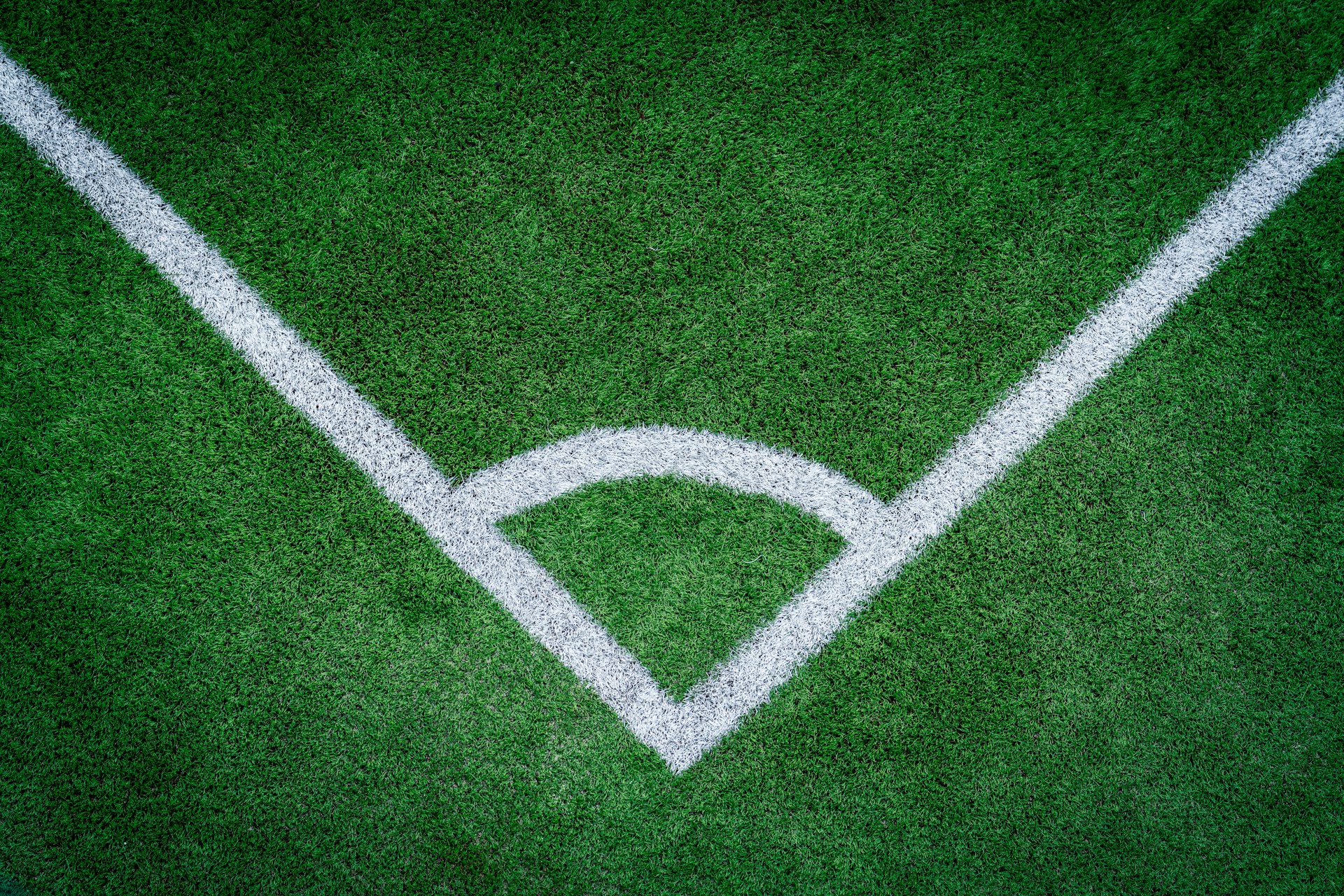
 Photo by Declan Sun on Unsplash
Understanding the Difference Between Natural Lawn Care and Artificial Turf
Homeowners today often face a key decision when designing or maintaining their outdoor spaces: investing in natural lawn care or installing artificial turf. Both options offer distinct advantages and drawbacks depending on lifestyle, climate, budget, and long-term goals. Understanding the pros and cons of each helps homeowners make informed decisions that align with their property needs.
Natural lawns provide living green spaces that change with the seasons, while artificial turf offers a low-maintenance alternative designed to replicate the look of grass. Each approach impacts aesthetics, maintenance, cost, and environmental factors differently.
What Natural Lawn Care Involves
Natural lawn care focuses on maintaining living grass through mowing, watering, fertilizing, aeration, and weed control. The goal is to support healthy soil, strong roots, and consistent growth.
Proper lawn care creates a lush, breathable surface that contributes to a comfortable outdoor environment. While it requires ongoing attention, many homeowners value the natural feel and environmental benefits of real grass.
Pros of Natural Lawn Care
Natural appearance and feel are among the biggest advantages of real grass. Natural lawns provide softness underfoot and a visually dynamic landscape that adapts to seasonal changes.
Cooling effect helps regulate outdoor temperatures. Living grass absorbs heat and can significantly reduce surface temperatures compared to synthetic materials.
Environmental benefits include oxygen production, carbon dioxide absorption, and improved air quality.
Water absorption and drainage reduce runoff and help prevent soil erosion.
Increased property value is often associated with well-maintained natural lawns, especially in residential neighborhoods.
Cons of Natural Lawn Care
Ongoing maintenance is required to keep natural lawns healthy. Mowing, watering, fertilizing, and seasonal care demand time and effort.
Water usage can be high, particularly in dry climates or during hot seasons.
Susceptibility to pests and diseases can lead to discoloration, thinning, and patchy areas if not properly managed.
Seasonal appearance changes mean lawns may look less vibrant during extreme heat or winter dormancy.
What Artificial Turf Offers
Artificial turf is a manufactured surface designed to resemble natural grass. It requires minimal maintenance and remains visually consistent throughout the year.
Modern artificial turf products use durable materials and improved textures, making them more realistic than earlier versions. They are commonly used in residential yards, sports fields, and commercial properties.
Pros of Artificial Turf
Low maintenance is the primary advantage of artificial turf. It eliminates the need for mowing, watering, and fertilizing.
Year-round appearance ensures a consistently green lawn regardless of weather or season.
Reduced water consumption makes artificial turf appealing in drought-prone areas.
Durability allows artificial turf to withstand heavy foot traffic without becoming muddy or worn.
Lower allergy concerns since artificial turf does not produce pollen.
Cons of Artificial Turf
Higher upfront cost is one of the biggest drawbacks. Installation can be expensive compared to establishing a natural lawn.
Heat retention can make artificial turf significantly hotter than real grass, especially in direct sunlight.
Limited environmental benefits as synthetic turf does not produce oxygen or support soil ecosystems.
Potential wear over time means replacement may be necessary after several years.
Drainage and odor concerns can arise if the installation is not properly designed.
Maintenance Comparison Between Lawn Care and Artificial Turf
Natural lawn care requires regular attention but allows homeowners to adjust practices based on weather and soil conditions.
Artificial turf maintenance is minimal but still involves occasional cleaning, brushing, and debris removal to maintain appearance and hygiene.
While artificial turf reduces labor, it does not completely eliminate upkeep.
Cost Considerations Over Time
Natural lawns typically have lower initial costs but ongoing expenses related to water, equipment, fertilizers, and professional services.
Artificial turf requires a significant upfront investment, but long-term costs may be lower due to reduced maintenance and water usage.
Evaluating both short-term and long-term costs is essential when choosing between the two options.
Environmental Impact Comparison
Natural lawns contribute to local ecosystems, support beneficial organisms, and help manage rainfall naturally.
Artificial turf reduces water use but is made from synthetic materials and does not support biodiversity.
The environmental impact varies based on materials, maintenance practices, and regional conditions.
Choosing the Right Option for Your Property
The decision between lawn care and artificial turf depends on lifestyle, climate, and personal priorities.
Natural lawns are ideal for homeowners who value outdoor comfort, environmental benefits, and traditional landscaping.
Artificial turf suits those seeking low maintenance, consistent appearance, and reduced water use.
Key Factors to Consider Before Deciding
- Available time for maintenance.
- Local climate and water availability.
- Budget for installation and long-term care.
- Environmental preferences and sustainability goals.
- Intended use of the outdoor space.
Final Thoughts on Lawn Care vs Artificial Turf
Both natural lawn care and artificial turf offer valid solutions for maintaining attractive outdoor spaces. Each option comes with trade-offs in terms of maintenance, cost, comfort, and environmental impact.
By understanding the pros and cons of lawn care versus artificial turf, homeowners can choose the solution that best aligns with their needs, ensuring a functional, visually appealing, and enjoyable outdoor environment.