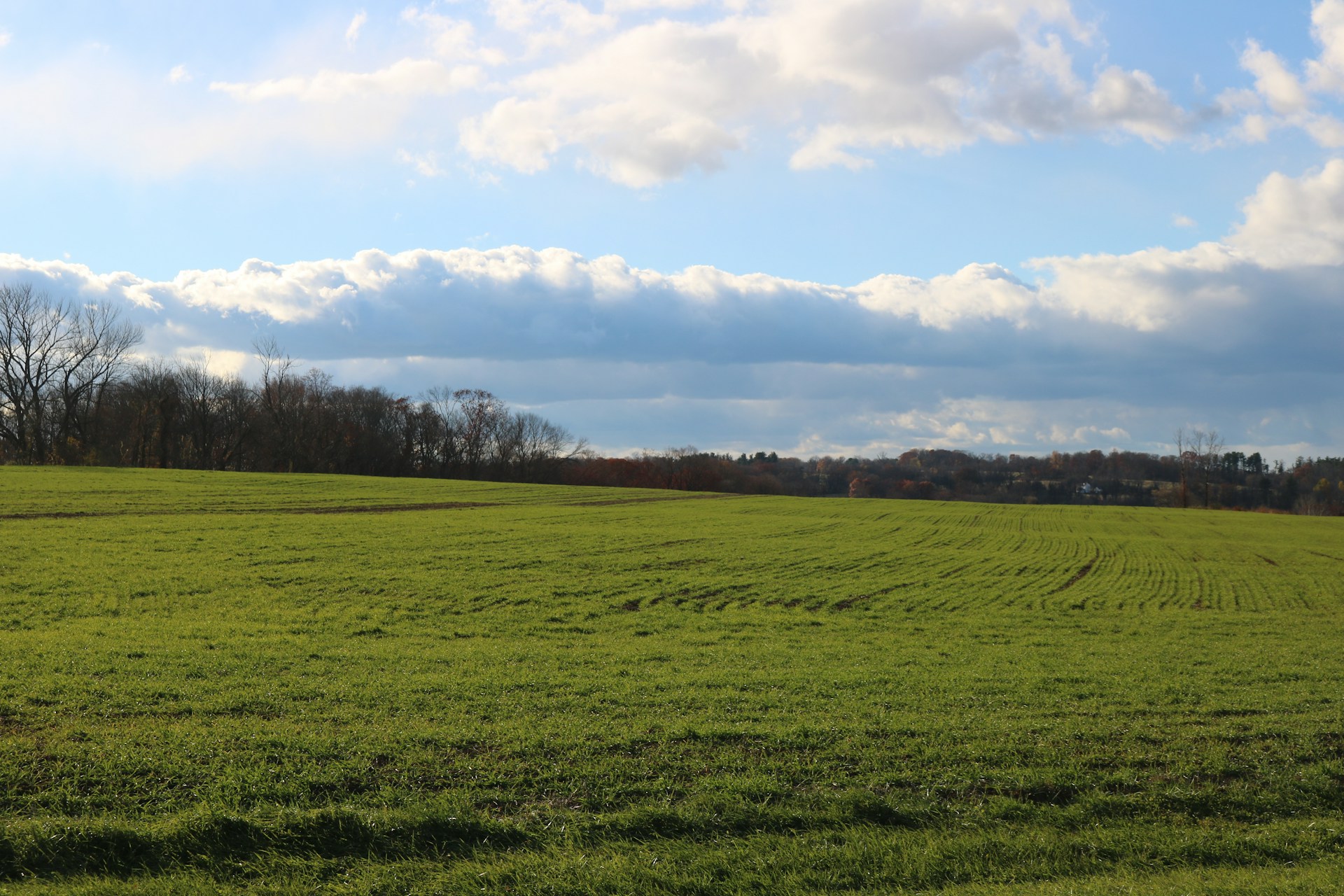
 Photo by Olivia Claire on Unsplash
Understanding Lawn Care Needs in Pennsylvania
Lawn care in Pennsylvania requires a strategic approach due to the state’s diverse climate, changing seasons, and varied soil conditions. From colder northern regions to milder southern areas, Pennsylvania lawns experience hot summers, cold winters, and moderate to high rainfall. These conditions make consistent and knowledgeable lawn care essential for maintaining healthy, visually appealing turf throughout the year.
Homeowners and property managers across Pennsylvania rely on structured lawn care routines to handle seasonal transitions, prevent turf damage, and encourage strong root development. Proper lawn care not only improves appearance but also protects long-term lawn health.
Climate Influence on Pennsylvania Lawns
Pennsylvania falls primarily within a cool-season grass region, meaning lawns thrive during spring and fall while experiencing stress in extreme summer heat or winter cold. Temperature fluctuations and unpredictable weather patterns can quickly impact turf quality.
Cool-season grasses grow most actively when temperatures range between 60°F and 75°F. Lawn care practices in Pennsylvania must focus on maximizing growth during these optimal periods while protecting grass during dormant or stressed phases.
Common Grass Types in Pennsylvania
Choosing the right grass type is a key factor in successful lawn care. Pennsylvania lawns typically consist of grass varieties that tolerate cold winters and recover well in spring.
Popular grass types include Kentucky Bluegrass for its dense appearance, Tall Fescue for its drought tolerance, Perennial Ryegrass for quick establishment, and Fine Fescue for shaded or low-maintenance areas.
Each grass type requires specific mowing heights, watering routines, and fertilization schedules, which is why tailored lawn care plans are so important.
Seasonal Lawn Care Approach
Lawn care in Pennsylvania follows a clearly defined seasonal cycle that aligns with grass growth patterns and environmental conditions.
Spring lawn care focuses on recovery from winter stress, early fertilization, soil testing, and pre-emergent weed control.
Summer lawn care prioritizes proper mowing height, deep but infrequent watering, and stress management to prevent drought damage and disease.
Fall lawn care is the most critical season for cool-season grasses. Aeration, overseeding, and fertilization strengthen roots and prepare lawns for winter.
Winter lawn care involves minimal maintenance but may include debris removal, equipment preparation, and planning for the upcoming season.
Soil Conditions and Lawn Health
Pennsylvania features a wide range of soil types, including clay-heavy soils, loam, and rocky terrain in certain regions. Soil quality directly affects water retention, nutrient absorption, and root development.
Regular soil testing helps determine pH balance and nutrient deficiencies. Lawn care strategies often include lime applications to correct acidity, organic matter to improve structure, and targeted fertilization to support healthy growth.
Lawn Fertilization Practices
Fertilization is a cornerstone of effective lawn care in Pennsylvania. Proper nutrient timing ensures steady growth without overstressing the turf.
Balanced fertilization programs typically include nitrogen for growth, phosphorus for root development, and potassium for overall turf strength. Fall fertilization is especially important for storing nutrients that support spring green-up.
Over-fertilization can cause excessive growth, disease susceptibility, and environmental harm, making professional or well-researched application essential.
Weed Control in Pennsylvania Lawns
Common weeds such as dandelions, crabgrass, clover, and chickweed compete with turf for nutrients and water. Effective weed control requires a combination of preventive and active treatments.
Pre-emergent applications help prevent weed seeds from germinating, while post-emergent treatments target existing weeds. Healthy, dense turf remains the most effective natural weed deterrent.
Pest and Disease Management
Pennsylvania lawns are vulnerable to pests like grubs, chinch bugs, sod webworms, and armyworms. These pests can cause significant damage if left untreated.
Fungal diseases such as brown patch, dollar spot, and snow mold are also common due to humidity and temperature changes. Proper mowing, watering, and aeration reduce disease risk, while targeted treatments address active issues.
Aeration and Overseeding Benefits
Soil compaction is a common issue in Pennsylvania, especially in high-traffic lawns. Core aeration relieves compaction, improves air and water movement, and promotes deeper root growth.
Overseeding fills thin areas, improves turf density, and introduces stronger grass varieties. Fall is the ideal time for these services in Pennsylvania’s climate.
Residential Lawn Care in Pennsylvania
Residential lawn care focuses on curb appeal, safety, and family-friendly outdoor spaces. Homeowners often choose recurring lawn care plans that include mowing, fertilization, weed control, and seasonal treatments.
Customized care ensures lawns remain healthy despite varying property sizes, sun exposure, and soil conditions.
Commercial Lawn Care Services
Commercial properties such as office parks, retail centers, and apartment complexes require consistent, professional lawn care to maintain appearance and comply with safety standards.
Commercial lawn care services often include large-scale mowing, landscape maintenance, irrigation management, and seasonal cleanup.
Eco-Friendly Lawn Care Options
Many Pennsylvania property owners are choosing environmentally responsible lawn care solutions. These may include organic fertilizers, reduced-chemical weed control, and sustainable mowing practices.
Eco-friendly lawn care supports soil health, protects waterways, and promotes long-term turf sustainability.
Benefits of Professional Lawn Care
Professional expertise ensures lawns receive the right care at the right time.
Time efficiency allows property owners to enjoy their outdoor spaces without constant upkeep.
Consistent results are achieved through proven methods and commercial-grade equipment.
Enhanced property value results from healthy, well-maintained lawns.
Maintaining a Healthy Lawn Year-Round
Lawn care in Pennsylvania is a year-round commitment that requires planning, consistency, and an understanding of local conditions. With proper maintenance, lawns can remain thick, green, and resilient despite seasonal challenges.
Whether handled independently or with professional support, a structured lawn care approach ensures long-term turf health and lasting outdoor appeal throughout Pennsylvania.