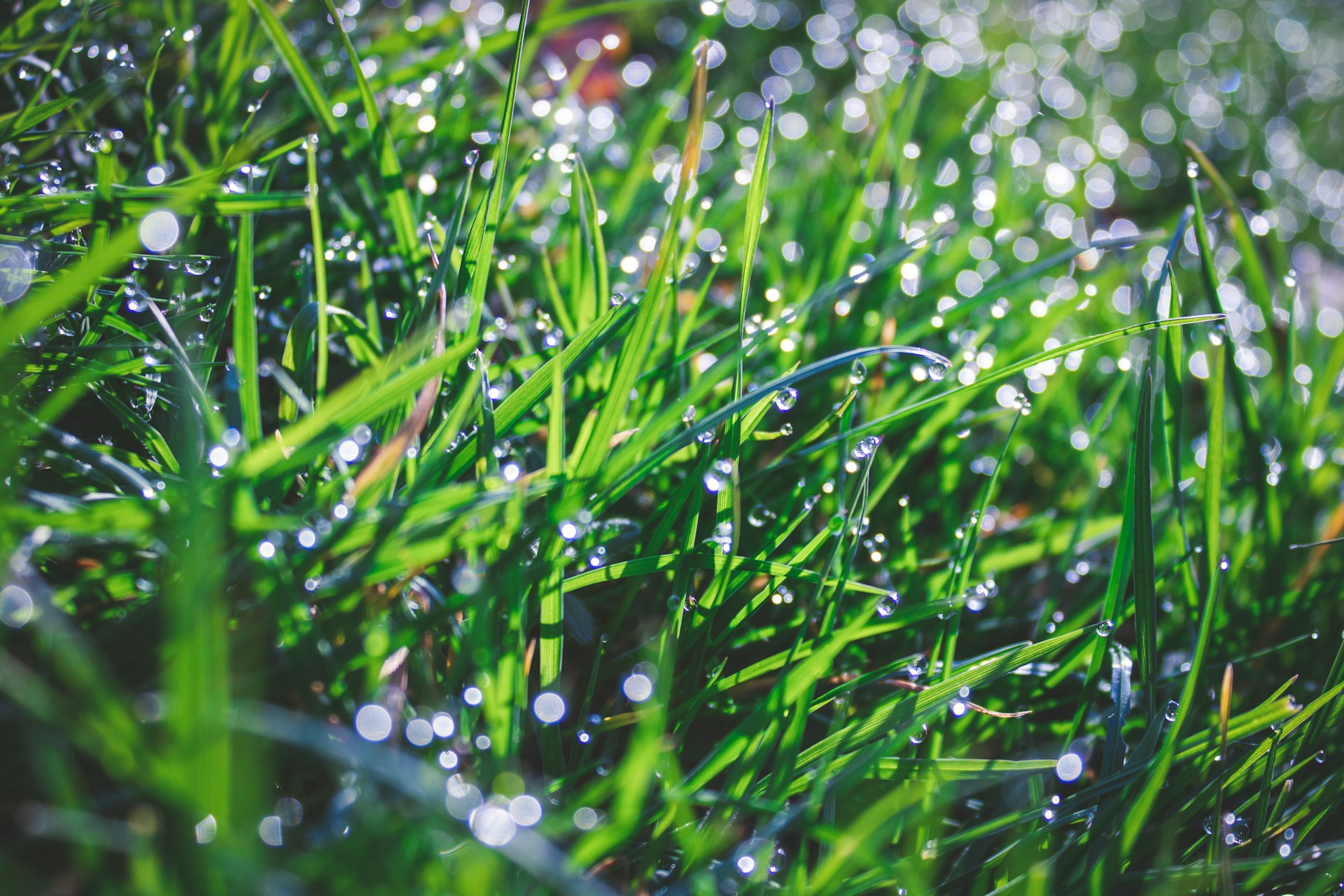
 Photo by Vitalii S. on Unsplash
Understanding Lawn Care in Humid Regions
Lawn care in humid regions requires a strategic approach that accounts for high moisture levels, warm temperatures, frequent rainfall, and extended growing seasons. Excess humidity creates ideal conditions for rapid grass growth, but it also increases the risk of fungal diseases, pests, and soil compaction. Homeowners and property managers in humid climates must balance growth stimulation with moisture control to maintain a healthy and attractive lawn.
Humidity impacts nearly every aspect of lawn maintenance, from mowing frequency to fertilization schedules. Successful lawn care in these regions focuses on proper airflow, soil drainage, and proactive disease prevention rather than aggressive growth promotion.
Best Grass Types for Humid Climate Lawns
Choosing the right grass species is essential for effective lawn care in humid regions. Warm-season grasses such as Bermuda grass, Zoysia grass, St. Augustine grass, and Centipede grass are commonly used because they tolerate heat and humidity well. These grasses develop dense root systems that help them withstand heavy rainfall and resist weed invasion.
Selecting grass varieties that are resistant to fungal diseases is particularly important in humid environments. Many lawn care professionals recommend region-specific cultivars that are bred for improved airflow, disease resistance, and moisture tolerance.
Soil Drainage and Aeration
Proper soil drainage is a cornerstone of lawn care in humid regions. Excess water trapped in the soil can suffocate roots and encourage the growth of mold and fungi. Compacted soil is especially problematic in areas with frequent rainfall, as it prevents water from draining efficiently.
Core aeration improves soil structure by creating channels that allow water, air, and nutrients to reach the root zone. Adding organic matter such as compost can further enhance drainage while improving soil fertility. Regular aeration is one of the most effective long-term investments in humid climate lawn care.
Watering Practices in High Humidity
Although humid regions receive abundant rainfall, supplemental watering is sometimes necessary during dry spells. However, overwatering is one of the most common mistakes in lawn care for humid climates. Excess moisture increases the risk of fungal diseases and weak root development.
Best practices include watering early in the morning to allow grass blades to dry quickly throughout the day. Deep, infrequent watering encourages strong root growth and reduces surface moisture that can lead to disease outbreaks.
Fertilization Strategies for Humid Lawns
Fertilization must be carefully managed in humid regions due to rapid nutrient uptake and increased disease pressure. Over-fertilizing, especially with nitrogen, can result in excessive leaf growth that traps moisture and limits airflow. This creates ideal conditions for lawn diseases.
Slow-release fertilizers are highly recommended for humid climate lawn care. They provide consistent nutrition without overstimulating growth. Soil testing helps determine nutrient deficiencies and prevents unnecessary fertilizer applications that can damage turf health.
Mowing Frequency and Techniques
Lawns in humid regions often require more frequent mowing due to faster growth rates. Regular mowing helps improve airflow and reduces the amount of moisture retained in the turf canopy. However, cutting too much at once can stress the grass and make it more susceptible to disease.
Mower blades should always be kept sharp to ensure clean cuts. Ragged grass tips heal more slowly in humid environments and can become entry points for pathogens. Maintaining proper mowing height supports root strength and enhances overall lawn resilience.
Managing Fungal Diseases and Lawn Fungus
Fungal diseases are among the most significant challenges in lawn care for humid regions. Conditions such as brown patch, dollar spot, and leaf spot thrive in warm, moist environments. Prevention is far more effective than treatment when dealing with lawn fungus.
Key prevention strategies include proper mowing, controlled watering, balanced fertilization, and good airflow. In severe cases, lawn care services may apply fungicides as part of an integrated disease management plan tailored to local conditions.
Weed and Pest Control in Humid Climates
High humidity accelerates weed growth and increases insect activity. Weeds compete with grass for nutrients and water, while pests can damage roots and blades, weakening the lawn. A thick, healthy turf is the best natural defense against both problems.
Pre-emergent weed control, timely spot treatments, and regular lawn inspections help keep infestations under control. Lawn care professionals often use integrated pest management techniques to minimize chemical use while maintaining effective control.
Seasonal Lawn Care Considerations
Humid regions typically experience longer growing seasons, which means lawn care is required for more months of the year. Spring lawn care focuses on recovery and disease prevention, while summer maintenance emphasizes moisture control and stress reduction.
Fall is an important transition period for strengthening the lawn before cooler temperatures arrive. Proper seasonal planning ensures continuous lawn health and reduces the likelihood of recurring problems year after year.
Benefits of Hiring Local Lawn Care Services
Searching for lawn care near me is especially beneficial in humid regions, where local expertise makes a significant difference. Local lawn care companies understand regional weather patterns, common diseases, and soil conditions specific to high-humidity environments.
Professional lawn care services provide customized maintenance programs that address moisture management, disease prevention, and sustainable growth. Their experience helps homeowners avoid costly mistakes and achieve long-lasting results.
Maintaining a Healthy Lawn in Humid Regions
Successful lawn care in humid regions is built on balance, consistency, and preventive maintenance. By selecting the right grass, improving soil drainage, managing moisture, and using climate-appropriate techniques, homeowners can enjoy dense, green lawns despite challenging environmental conditions.
With the right approach and professional support when needed, lawns in humid climates can remain healthy, visually appealing, and resilient throughout the year. Thoughtful lawn care practices turn humidity from a challenge into a manageable part of long-term lawn success.