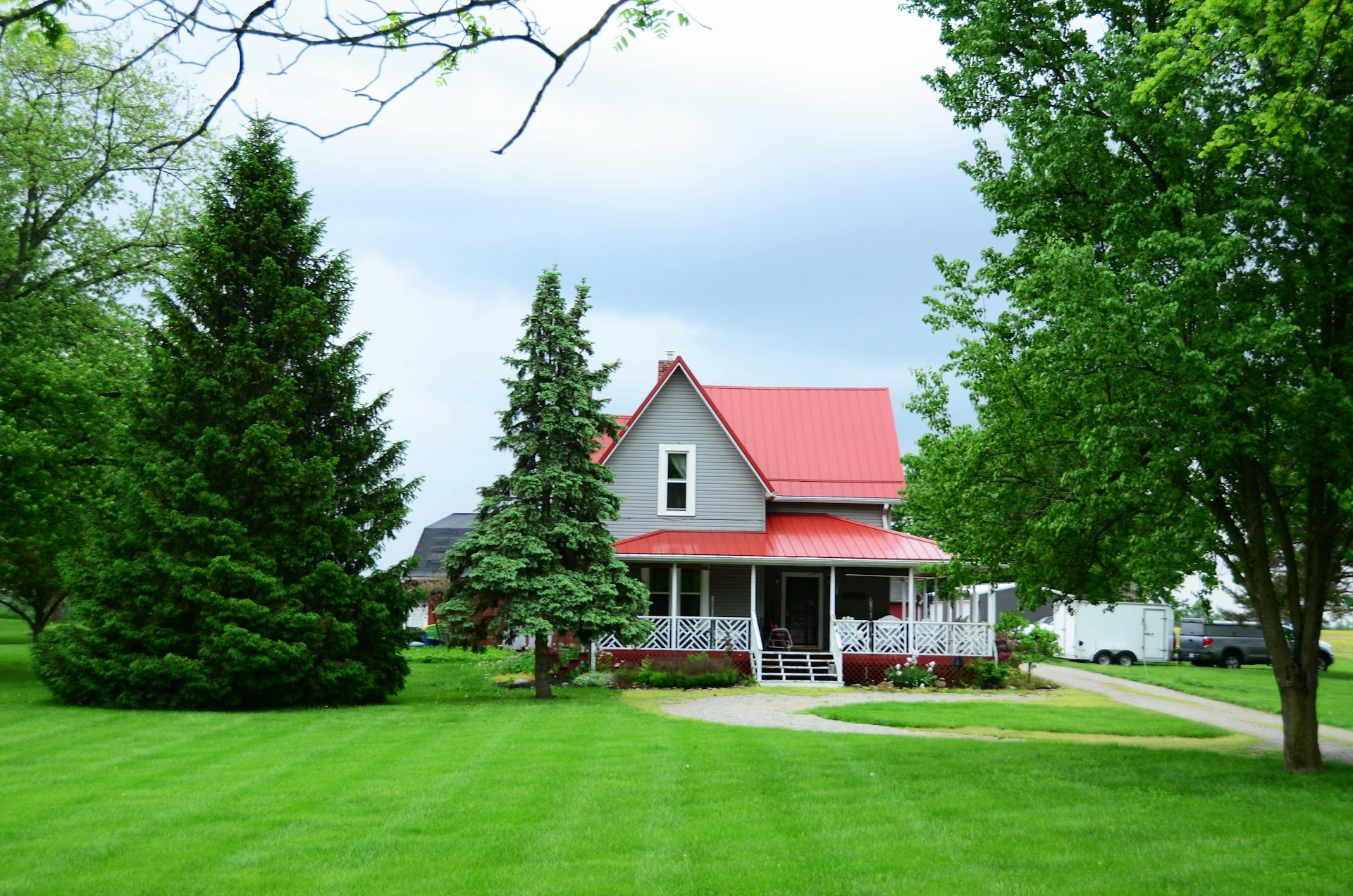
 Photo by Roger Starnes Sr on Unsplash
Lawn care for rental properties plays a critical role in maintaining property value, attracting quality tenants, and ensuring long-term profitability for landlords and property managers. A well-maintained lawn creates a strong first impression, improves curb appeal, and signals that the property is professionally managed. Neglected outdoor spaces, on the other hand, can quickly lead to tenant dissatisfaction, higher turnover rates, and costly repairs.
Why Lawn Care Matters for Rental Properties
For rental properties, the lawn is often the first thing prospective tenants see. Overgrown grass, weeds, and patchy turf can give the impression of neglect, even if the interior of the property is well maintained. Consistent lawn care helps establish trust with tenants and sets clear expectations for property standards.
Proper lawn maintenance also protects the underlying landscape. Regular mowing, edging, and basic care prevent soil erosion, pest infestations, and turf diseases that can become expensive problems if ignored.
Landlord vs Tenant Lawn Care Responsibilities
One of the most important aspects of lawn care for rental properties is clearly defining responsibility. Some landlords include lawn care as part of the rental agreement, while others assign it to tenants. Each approach has advantages and risks.
When landlords handle lawn care, they maintain full control over appearance and quality. This approach is common for multi-unit properties, short-term rentals, and higher-end homes. When tenants are responsible, maintenance costs may be lower, but results can vary significantly depending on tenant commitment and experience.
Clear lease terms are essential. Lawn care expectations, frequency, and consequences for neglect should always be documented to avoid disputes.
Essential Lawn Care Services for Rental Properties
Rental property lawns typically require consistent, no-frills maintenance focused on health and appearance rather than complex landscaping. The most common services include:
- Regular mowing to keep grass at a healthy, uniform height
- Edging and trimming around walkways, fences, and structures
- Weed control to prevent invasive growth and maintain a clean look
- Seasonal cleanup such as leaf removal and debris clearing
- Basic fertilization to promote steady, even growth
These services help ensure the lawn remains manageable, attractive, and compliant with local property standards.
Lawn Care for Single-Family vs Multi-Unit Rentals
Single-family rental properties often require individualized lawn care plans based on lot size, grass type, and tenant use. These properties benefit from routine mowing schedules and seasonal treatments to maintain consistency.
Multi-unit properties, such as apartment complexes or duplexes, usually require commercial-grade lawn care services. These properties experience higher foot traffic, which can stress turf and require more frequent maintenance and repairs.
In both cases, professional lawn care ensures efficiency, predictable costs, and consistent results across properties.
How Lawn Care Impacts Tenant Retention
Well-maintained outdoor areas directly influence tenant satisfaction. Tenants are more likely to renew leases when the property feels clean, safe, and cared for. Poor lawn conditions can lead to complaints, fines from local authorities, or even early move-outs.
For properties with shared outdoor spaces, lawn care is especially important. Clean, trimmed lawns encourage outdoor use and create a sense of community among tenants.
Cost Considerations for Rental Property Lawn Care
Lawn care costs for rental properties vary based on property size, location, and service frequency. While some landlords attempt to minimize expenses by reducing service frequency, inconsistent maintenance often leads to higher long-term costs due to lawn restoration or landscaping repairs.
Many property owners find that bundled or contract-based lawn care services offer the best value. These plans provide predictable monthly costs and ensure consistent service throughout the growing season.
Seasonal Lawn Care for Rental Properties
Rental property lawns require different care throughout the year. Spring maintenance focuses on cleanup, fertilization, and preparing turf for growth. Summer requires frequent mowing and weed control, while fall emphasizes leaf removal and soil preparation. In colder regions, winterization helps protect the lawn during dormancy.
Seasonal planning ensures the lawn remains healthy year-round and reduces the risk of costly damage.
Common Lawn Care Problems in Rental Properties
Rental properties often face unique lawn challenges due to inconsistent use and varying levels of tenant involvement. Common issues include compacted soil, bare patches, pet damage, and excessive weeds.
Professional lawn care providers can quickly identify these problems and implement corrective measures before they worsen.
Choosing a Lawn Care Provider for Rental Properties
Selecting the right lawn care company is crucial for rental property success. Look for providers with experience managing rental and commercial properties, reliable scheduling, and transparent pricing.
Consistency matters more than complex services. A dependable provider who shows up on schedule and delivers consistent results adds measurable value to any rental property.
Long-Term Benefits of Professional Lawn Care
Investing in professional lawn care for rental properties delivers long-term benefits beyond appearance. Healthy lawns reduce maintenance complaints, support higher rental values, and protect the overall landscape investment.
By maintaining clean, well-kept outdoor spaces, landlords and property managers can improve tenant satisfaction, reduce turnover, and position their properties as desirable, well-managed rentals in a competitive market.