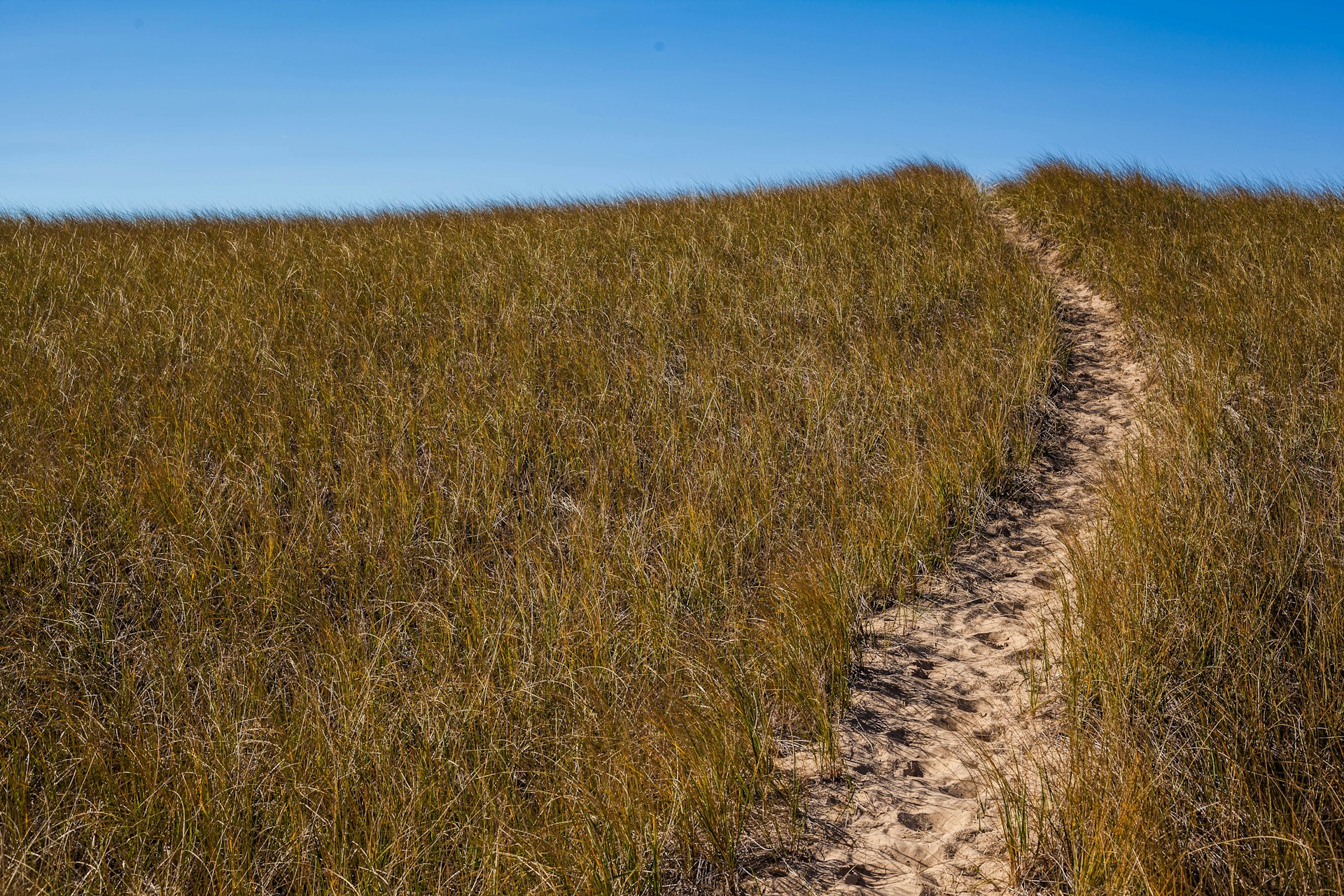
 Photo by Benjamin DeYoung on Unsplash
Understanding Lawn Care in Desert Climates
Lawn care for desert climates requires a highly strategic and climate-aware approach due to extreme heat, limited rainfall, intense sunlight, and arid soil conditions. Desert regions are characterized by long dry seasons, sudden temperature fluctuations, and high evaporation rates, all of which place significant stress on turfgrass. Homeowners and property managers seeking effective lawn care in desert climates must prioritize water efficiency, soil health, and plant selection to achieve sustainable and visually appealing landscapes.
Unlike temperate regions, desert lawns face constant moisture loss and nutrient depletion. Without proper planning, grass can quickly become thin, discolored, or completely dormant. Successful desert lawn care focuses on building resilience through smart irrigation, heat-tolerant grass varieties, and environmentally responsible maintenance practices.
Choosing Heat- and Drought-Tolerant Grass Types
Selecting the right grass is one of the most critical factors in desert lawn care. Warm-season grasses are best suited for desert climates because they thrive in high temperatures and require less water than cool-season alternatives. Popular choices include Bermuda grass, Zoysia grass, and Buffalo grass, all of which are known for their drought tolerance and ability to recover quickly from heat stress.
These grass types develop deep root systems that help them access moisture stored deeper in the soil. Some desert homeowners also choose hybrid or low-water turf varieties designed specifically for arid environments. Professional lawn care services near desert regions often recommend grass options based on sun exposure, soil composition, and local water restrictions.
Soil Preparation and Moisture Retention
Desert soils are typically sandy or compacted, offering poor water retention and limited organic matter. Effective lawn care in desert climates begins with improving soil structure. Incorporating organic compost and soil conditioners increases the soil’s ability to hold moisture and nutrients, reducing water waste and supporting healthier grass growth.
Regular soil testing is essential to identify nutrient deficiencies and pH imbalances. Desert lawns often require supplemental micronutrients due to rapid nutrient leaching caused by irrigation. Proper soil management not only enhances turf health but also improves water efficiency, which is critical in arid regions.
Efficient Irrigation Strategies for Desert Lawns
Water management is the cornerstone of lawn care for desert climates. Because evaporation rates are extremely high, irrigation must be carefully timed and controlled. Lawn care professionals recommend deep and infrequent watering to encourage deep root growth and minimize surface evaporation.
Irrigation should be scheduled during early morning hours when temperatures are cooler and wind is minimal. Drip irrigation systems and high-efficiency sprinklers are commonly used in desert lawn care to deliver water directly to the root zone. Smart irrigation controllers further optimize water usage by adjusting schedules based on weather conditions and soil moisture levels.
Fertilization and Nutrient Management
Fertilizing desert lawns requires a balanced and conservative approach. Excessive fertilization can increase water demand and stress grass during extreme heat. Slow-release fertilizers are preferred because they provide consistent nutrient availability without promoting excessive top growth.
Nitrogen applications should be carefully timed during active growing seasons, while potassium plays a key role in improving heat and drought tolerance. Lawn care services specializing in desert climates often tailor fertilization programs to support sustainable growth while complying with local water conservation guidelines.
Mowing Practices for Extreme Heat Conditions
Proper mowing techniques are essential for protecting desert lawns from heat stress. Grass should be kept slightly taller to shade the soil surface and reduce moisture evaporation. Cutting grass too short exposes roots to intense sunlight and accelerates water loss.
Sharp mower blades are crucial to prevent tearing grass blades, which can lead to increased water loss and disease susceptibility. Lawn care professionals recommend mowing during cooler parts of the day and adjusting mowing frequency based on seasonal growth patterns.
Weed, Pest, and Disease Control in Desert Regions
Desert lawns are susceptible to specific weeds and pests that thrive in dry, warm environments. Weeds such as crabgrass and spurge compete aggressively for limited water resources. Maintaining dense, healthy turf is one of the most effective ways to prevent weed infestations.
Pests like grubs and mites can become problematic when lawns are stressed by heat and drought. Integrated pest management techniques are widely used in desert lawn care to minimize chemical use while maintaining effective control. Disease pressure is generally lower in arid climates, but overwatering can create conditions favorable to fungal growth.
Why Local Lawn Care Expertise Matters in Desert Climates
Searching for lawn care near me is especially important in desert regions because local professionals understand climate extremes, soil conditions, and water regulations. Local lawn care services offer customized maintenance plans designed to maximize lawn health while conserving water.
Experienced desert lawn care providers help homeowners balance aesthetics with sustainability, ensuring lawns remain green and functional without excessive resource use. Their regional knowledge is invaluable for navigating seasonal challenges and long-term maintenance.
Long-Term Sustainable Lawn Care for Desert Environments
Sustainable lawn care for desert climates prioritizes durability, efficiency, and environmental responsibility. Long-term success depends on proper grass selection, improved soil structure, efficient irrigation, and consistent maintenance. Many property owners also integrate drought-resistant landscaping elements to reduce overall water demand.
With the right strategies and professional support, lawns in desert climates can remain healthy, attractive, and resilient. Thoughtful desert lawn care transforms challenging conditions into manageable landscapes that thrive even under extreme heat and limited water availability.