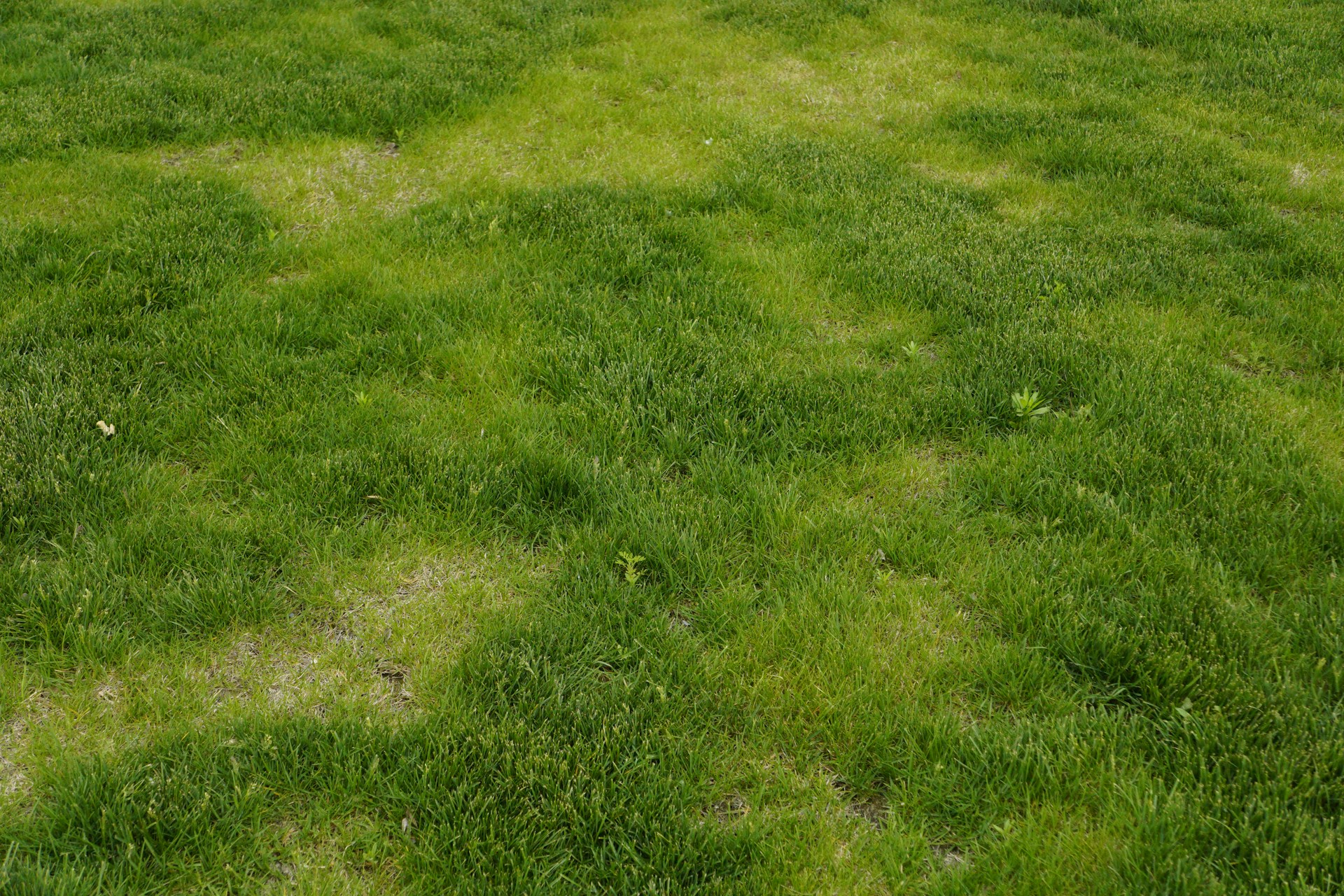
 Photo by ye xin on Unsplash
Understanding Lawn Damage
Recovering a damaged lawn begins with identifying the causes of decline. Lawn damage can result from drought, overwatering, improper mowing, heavy foot traffic, pests, disease, nutrient deficiencies, compacted soil, or extreme weather conditions. Each cause affects turf health differently, and recognizing the symptoms helps determine the most effective recovery strategy.
Common signs of damage include thinning grass, bare patches, discoloration, weak root systems, and uneven growth. Early intervention improves recovery speed and reduces the need for complete lawn replacement.
Assessing the Extent of Damage
Before taking corrective action, it is essential to assess how much of the lawn is affected. Minor damage may only require adjustments to mowing or watering habits, while severe damage may involve soil repair and reseeding.
Walk the lawn and evaluate turf density, soil firmness, moisture levels, and weed presence. Identifying whether grass is dormant or dead helps determine whether recovery or replacement is necessary.
Correcting Mowing Practices
Improper mowing is a leading cause of lawn stress. Cutting grass too short weakens plants and exposes soil, while infrequent mowing can cause uneven growth and stress.
Adjust mower height to match the grass type and follow the one-third rule. Sharp mower blades ensure clean cuts, reduce tearing, and improve recovery speed.
Improving Watering Techniques
Watering habits play a critical role in lawn recovery. Both underwatering and overwatering can damage turf and slow regrowth.
Deep, infrequent watering encourages roots to grow deeper into the soil, increasing resilience. Watering early in the morning reduces evaporation and limits disease risk.
Restoring Soil Health
Healthy soil is essential for lawn recovery. Compacted soil restricts root growth and limits oxygen and nutrient absorption.
Aeration relieves compaction and improves water penetration. Adding organic matter or soil amendments enhances structure and supports microbial activity.
Overseeding Bare and Thin Areas
Overseeding is an effective way to restore density and fill bare spots. Selecting grass seed that matches existing turf ensures uniform appearance and growth.
Proper seed-to-soil contact is critical for germination. Lightly raking and keeping soil consistently moist improves success rates.
Fertilizing for Recovery
Fertilization provides essential nutrients that support regrowth and repair. Applying the right fertilizer at the correct time accelerates recovery without overstimulating growth.
A balanced nutrient program strengthens roots, improves color, and supports long-term turf health.
Managing Weeds During Recovery
Weeds compete with grass for resources and can slow lawn recovery. Thin or damaged lawns are especially vulnerable to weed invasion.
Maintaining proper mowing height and turf density naturally suppresses weeds. Targeted weed control prevents competition while allowing grass to reestablish.
Addressing Pest and Disease Issues
Pests and diseases can significantly delay lawn recovery if left untreated. Identifying symptoms early allows for targeted and effective solutions.
Healthy lawns are more resistant to infestations. Proper watering, mowing, and soil care reduce conditions that favor pests and disease.
Reducing Traffic and Stress
Foot traffic and heavy use can damage recovering lawns. Limiting activity allows grass time to regrow and strengthen.
Redirecting traffic patterns and rotating play areas helps protect vulnerable sections during recovery.
Seasonal Timing for Lawn Recovery
The success of lawn recovery efforts depends on seasonal timing. Spring and fall provide ideal conditions for cool-season grasses, while warm-season grasses recover best in late spring and summer.
Working with natural growth cycles improves results and reduces stress on turf.
Simple Lawn Recovery Checklist
- Identify damage causes before taking action.
- Adjust mowing height and frequency.
- Improve watering habits for deep root growth.
- Aerate and amend soil to restore health.
- Overseed bare areas with appropriate grass seed.
- Apply fertilizer responsibly to support regrowth.
Monitoring Progress and Making Adjustments
Lawn recovery is a gradual process that requires patience and observation. Monitor growth patterns, color changes, and soil conditions regularly.
Adjust care practices based on lawn response and environmental conditions to support steady improvement.
Long-Term Strategies to Prevent Future Damage
Preventing future damage is as important as recovery. Establishing consistent lawn care habits reduces stress and improves resilience.
Proper mowing, watering, fertilization, and seasonal maintenance protect turf health and minimize the risk of recurring damage.
Benefits of a Fully Recovered Lawn
A restored lawn enhances curb appeal, improves usability, and increases property value. Healthy turf provides erosion control, environmental benefits, and visual appeal.
With consistent care and informed practices, damaged lawns can recover and become stronger than before, delivering long-lasting results for homeowners.