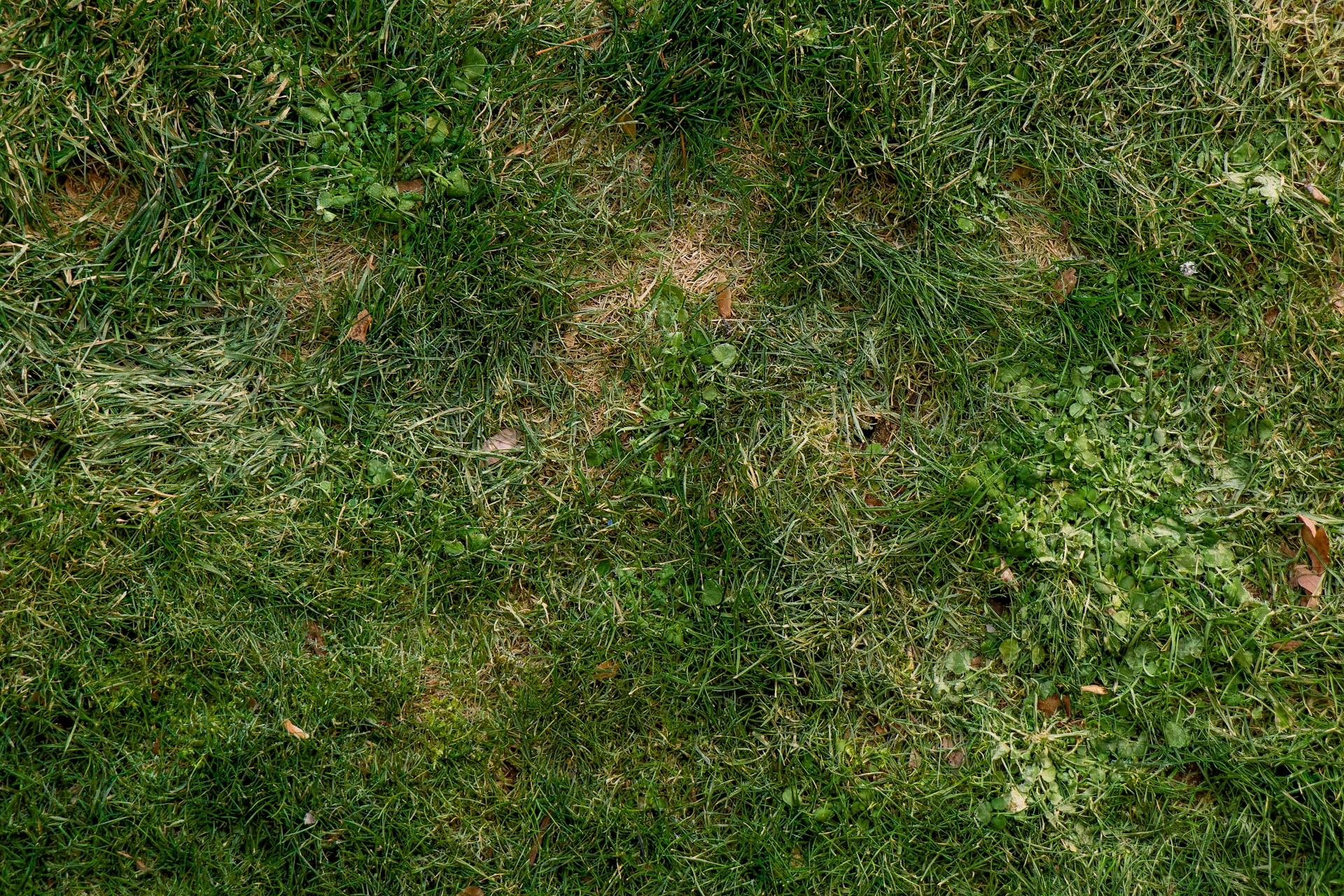
 Photo by Clay LeConey on Unsplash
Understanding Lawn Diseases and Why Prevention Matters
Lawn diseases are a common challenge for homeowners and property managers, often appearing suddenly and spreading quickly. These diseases are typically caused by fungi, bacteria, or environmental stress factors that weaken grass and make it vulnerable to infection. Once established, lawn diseases can be difficult and expensive to control, which is why prevention is far more effective than treatment.
A healthy lawn is naturally more resistant to disease. Strong roots, balanced soil, proper watering, and correct mowing practices create conditions that discourage pathogens from taking hold. Preventing lawn diseases is not about a single action, but about consistent, well-planned lawn care practices throughout the year.
Maintain Proper Mowing Practices
Mowing plays a critical role in lawn disease prevention. Cutting grass incorrectly can stress turf and create entry points for disease-causing organisms.
Maintain the correct mowing height for your grass type to protect roots and improve airflow. Cutting grass too short weakens the lawn and increases susceptibility to disease.
Keep mower blades sharp to ensure clean cuts. Dull blades tear grass, leaving jagged edges that are more prone to infection.
Avoid mowing wet grass, as moisture can spread fungal spores across the lawn and compact the soil.
Consistent mowing habits encourage thicker turf, which naturally suppresses disease development.
Water Your Lawn Correctly
Improper watering is one of the leading causes of lawn diseases. Both overwatering and underwatering create stress conditions that allow pathogens to thrive.
Water deeply and infrequently to promote deep root growth and reduce surface moisture.
Water early in the morning so grass blades have time to dry during the day, limiting fungal growth.
Avoid evening watering, which keeps grass wet overnight and creates ideal conditions for lawn diseases.
Adjust watering schedules based on weather, soil type, and seasonal needs to maintain optimal moisture levels.
Improve Soil Health and Drainage
Healthy soil is the foundation of disease-resistant turf. Poor soil conditions weaken grass and trap excess moisture, increasing the risk of lawn diseases.
Test soil regularly to monitor pH levels and nutrient balance.
Aerate compacted soil to improve oxygen flow, water penetration, and root development.
Enhance drainage in areas where water pools, as standing moisture encourages fungal growth.
Soil rich in organic matter supports beneficial microorganisms that help suppress harmful pathogens.
Apply Fertilizer Responsibly
Fertilization supports healthy growth, but improper use can contribute to lawn diseases. Excess nitrogen, in particular, can promote rapid growth that weakens grass structure.
Use balanced fertilizers based on soil test results rather than guesswork.
Avoid over-fertilizing, especially during periods of heat or drought stress.
Follow seasonal fertilization schedules appropriate for your grass type and climate.
Proper nutrient management strengthens turf and improves its natural defenses against disease.
Manage Thatch Buildup
Thatch is a layer of dead grass and organic material that accumulates between the soil and grass blades. While a small amount is normal, excessive thatch creates a breeding ground for lawn diseases.
Dethatch when necessary to reduce moisture retention and improve airflow.
Avoid excessive watering and fertilization, which accelerate thatch buildup.
Encourage microbial activity in the soil to help break down organic matter naturally.
Keeping thatch under control improves overall lawn health and reduces disease risk.
Choose Disease-Resistant Grass Varieties
Selecting the right grass type is a proactive way to prevent lawn diseases. Some grass varieties are naturally more resistant to common diseases in specific regions.
Choose grasses suited to your climate to reduce environmental stress.
Use disease-resistant cultivars when overseeding or establishing a new lawn.
Maintain lawn diversity to prevent a single disease from affecting the entire turf.
Proper grass selection minimizes long-term maintenance challenges and disease pressure.
Control Weeds and Lawn Pests
Weeds and pests weaken turf and create openings for disease-causing organisms. Effective control reduces competition and stress on grass.
Remove weeds promptly to improve airflow and nutrient availability.
Monitor for insect activity, as pest damage often leads to secondary lawn diseases.
Use integrated pest management strategies that prioritize prevention and targeted treatments.
A thick, weed-free lawn is more resilient and better able to resist infection.
Practice Seasonal Lawn Care Adjustments
Lawn disease prevention requires adapting care routines to seasonal conditions. Weather changes significantly influence disease activity.
Reduce nitrogen during hot, humid periods to limit fungal growth.
Increase monitoring during high-risk seasons such as spring and fall.
Prepare lawns for winter dormancy by clearing debris and maintaining proper mowing height.
Seasonal awareness helps prevent disease outbreaks before they become widespread.
Early Detection and Monitoring
Regular lawn inspections allow homeowners to spot early signs of disease before major damage occurs. Subtle changes in color, texture, or growth patterns often signal underlying problems.
Inspect shaded and poorly drained areas, as these are more prone to disease.
Address issues immediately to prevent spread to healthy turf.
Document recurring problem areas to adjust care practices accordingly.
Early intervention reduces the need for aggressive treatments and supports long-term lawn health.
Building a Disease-Resistant Lawn Long Term
Preventing lawn diseases is an ongoing process that combines proper maintenance, environmental awareness, and proactive care. Healthy lawns are the result of consistent attention to mowing, watering, soil management, and seasonal adjustments.
By focusing on prevention rather than reaction, homeowners can enjoy greener, thicker, and more resilient turf. A disease-resistant lawn not only looks better but also requires fewer chemical treatments, making it more sustainable and cost-effective over time.