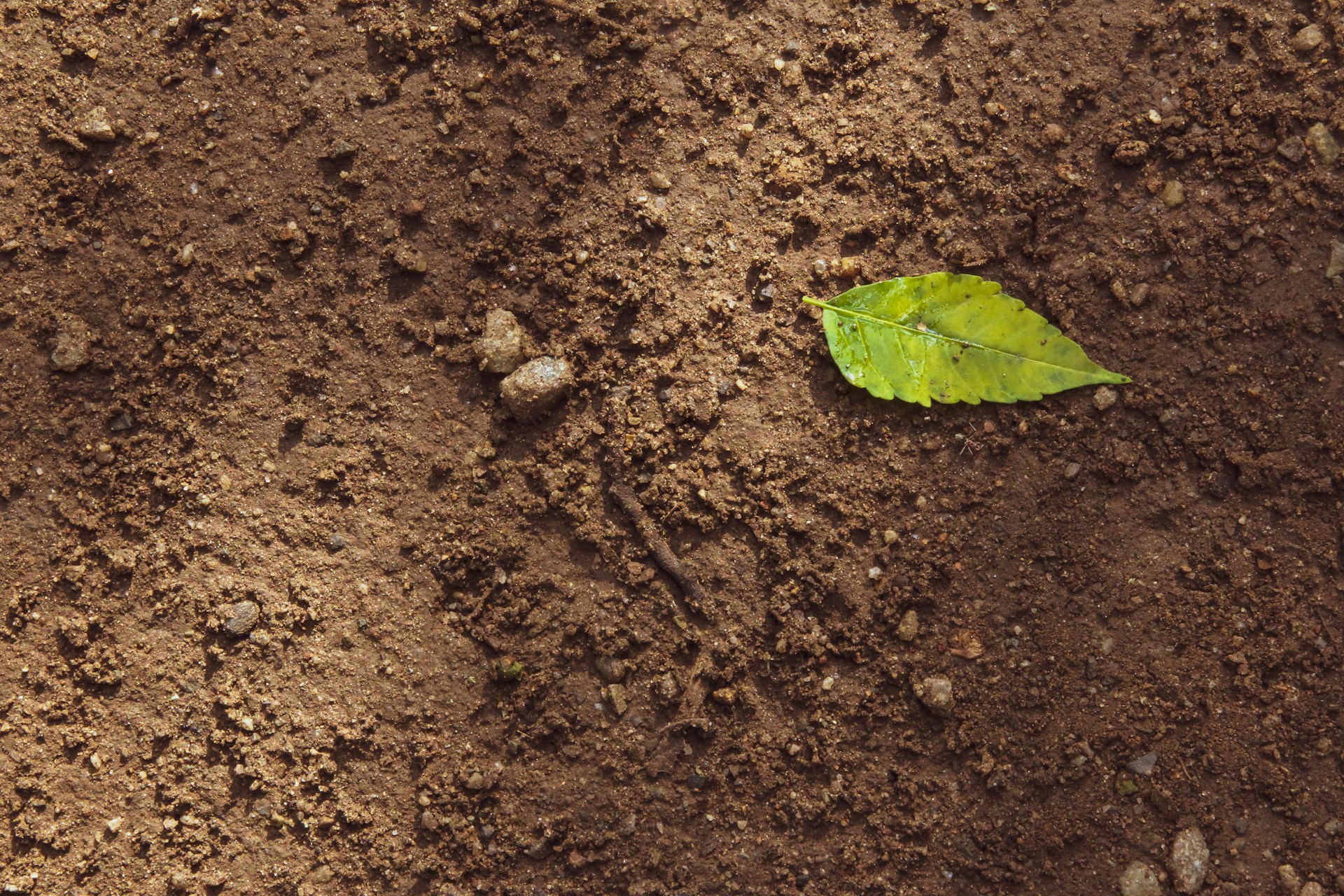
 Photo by Glen Carrie on Unsplash
Understanding Poor Soil and Its Impact on Grass Growth
Poor soil is one of the most common reasons lawns struggle to grow thick, green, and healthy grass. When soil lacks proper structure, nutrients, or biological activity, grass roots cannot develop deeply, absorb water efficiently, or access essential minerals. As a result, lawns growing in poor soil often appear thin, patchy, compacted, or discolored, regardless of how often they are watered or mowed.
Improving poor soil for grass is a foundational step in effective lawn care. Rather than treating symptoms such as bare spots or weak growth, addressing soil quality creates long-term improvements that support stronger roots, better moisture retention, and increased resistance to weeds, pests, and diseases.
Common Types of Poor Lawn Soil
Not all poor soil is the same. Identifying the type of soil issue affecting your lawn helps determine the most effective improvement strategy.
Compacted soil restricts air, water, and nutrient movement, making it difficult for roots to expand.
Sandy soil drains too quickly and struggles to retain nutrients and moisture.
Clay soil holds water excessively, leading to poor drainage and root suffocation.
Low-nutrient soil lacks essential elements needed for healthy grass growth.
Imbalanced pH prevents grass from absorbing nutrients even when they are present.
Signs Your Lawn Has Poor Soil
Grass often shows visible symptoms when soil conditions are unfavorable. Recognizing these signs early allows for timely corrective action.
Thin or sparse grass despite regular watering and mowing.
Standing water after rainfall, indicating drainage issues.
Hard, crusted soil surface that resists water absorption.
Yellowing or weak grass blades caused by nutrient deficiencies.
Increased weed growth as weeds exploit poor soil conditions.
Why Soil Structure Matters for Healthy Grass
Soil structure refers to how soil particles are arranged and how well they allow air, water, and roots to move through the ground. Healthy soil has a balance of pore spaces that support oxygen exchange and water infiltration.
Poor soil structure limits root depth, which reduces drought tolerance and nutrient uptake. Improving structure encourages deeper root systems, stronger grass plants, and more resilient lawns that recover faster from stress.
Soil Testing as the First Step
Before making any improvements, soil testing is essential. A soil test provides valuable insight into pH levels, nutrient availability, and organic matter content.
Identifies nutrient deficiencies that weaken grass growth.
Reveals pH imbalances that block nutrient absorption.
Prevents unnecessary amendments that waste time and money.
Soil testing ensures that improvements are precise and effective rather than based on guesswork.
Improving Compacted Soil for Grass
Compaction is a major obstacle to healthy lawns, especially in high-traffic areas. Relieving compaction restores airflow and water movement.
Core aeration removes small plugs of soil, creating channels for air and roots.
Reducing foot traffic prevents repeated soil compression.
Topdressing with organic matter improves soil texture over time.
Regular aeration is one of the most effective ways to transform compacted soil into a healthy growing environment.
Enhancing Sandy Soil for Better Grass Growth
Sandy soil drains quickly, making it difficult for grass to retain moisture and nutrients. Improving sandy soil focuses on increasing its ability to hold water.
Adding compost boosts organic matter and nutrient retention.
Applying mulch or topdressing reduces evaporation.
Frequent, deep watering encourages deeper root development.
Over time, organic amendments help sandy soil support thicker, more resilient grass.
Improving Clay Soil Conditions
Clay soil is dense and poorly drained, which can suffocate grass roots. Improving clay soil requires loosening its structure.
Core aeration reduces density and improves drainage.
Incorporating organic matter creates better pore spaces.
Avoiding excessive tilling prevents further compaction.
With consistent improvement, clay soil can become more workable and supportive of healthy turf.
Correcting Soil pH for Optimal Grass Health
Soil pH directly affects nutrient availability. Even nutrient-rich soil cannot support grass if pH levels are outside the ideal range.
Acidic soil may require lime to raise pH.
Alkaline soil may need sulfur-based amendments to lower pH.
Gradual adjustments are safer and more effective than rapid changes.
Balancing soil pH unlocks nutrients already present in the soil, improving grass color and growth.
Adding Organic Matter to Improve Poor Soil
Organic matter is one of the most powerful tools for improving poor soil. It enhances soil structure, supports microbial life, and increases nutrient availability.
Compost enriches soil with nutrients and beneficial organisms.
Leaf mold improves moisture retention.
Grass clippings return nutrients to the soil when left on the lawn.
Consistent organic matter additions gradually transform poor soil into fertile ground for grass.
Proper Watering Practices for Poor Soil
Watering strategies should be adjusted based on soil condition to prevent further damage.
Deep, infrequent watering encourages strong root systems.
Avoiding overwatering prevents compaction and disease.
Early morning watering reduces evaporation and fungal risk.
Correct watering complements soil improvements and maximizes their effectiveness.
Fertilizing Poor Soil the Right Way
Fertilizing poor soil requires precision. Over-fertilizing can worsen soil issues and harm grass.
Use soil test recommendations to guide fertilizer selection.
Slow-release fertilizers provide steady nutrition without runoff.
Balanced nutrients support root growth and stress tolerance.
When combined with soil improvements, proper fertilization accelerates lawn recovery.
Improving Soil Before Seeding or Overseeding
Preparing poor soil before planting grass seed significantly increases success rates.
Loosening the soil surface improves seed-to-soil contact.
Incorporating compost provides nutrients for young seedlings.
Maintaining consistent moisture supports germination.
Healthy soil gives new grass the foundation it needs to establish quickly and evenly.
Long-Term Maintenance for Improved Soil Health
Improving poor soil is not a one-time task but an ongoing process. Long-term maintenance ensures lasting results.
Regular aeration prevents compaction from returning.
Seasonal soil testing tracks nutrient and pH changes.
Continued organic matter additions sustain soil fertility.
Consistent care gradually builds a resilient soil system that supports lush, healthy grass year after year.
Why Improving Poor Soil Is Essential for Lawn Care Success
Improving poor soil for grass is one of the most effective investments in lawn care. Healthy soil allows grass to grow thicker, greener, and stronger with less effort over time. Instead of relying on frequent treatments to fix surface problems, focusing on soil quality creates sustainable improvements that enhance lawn appearance, durability, and overall value.
By addressing compaction, nutrient deficiencies, pH imbalance, and organic matter levels, homeowners can transform struggling lawns into vibrant landscapes supported by strong, living soil.