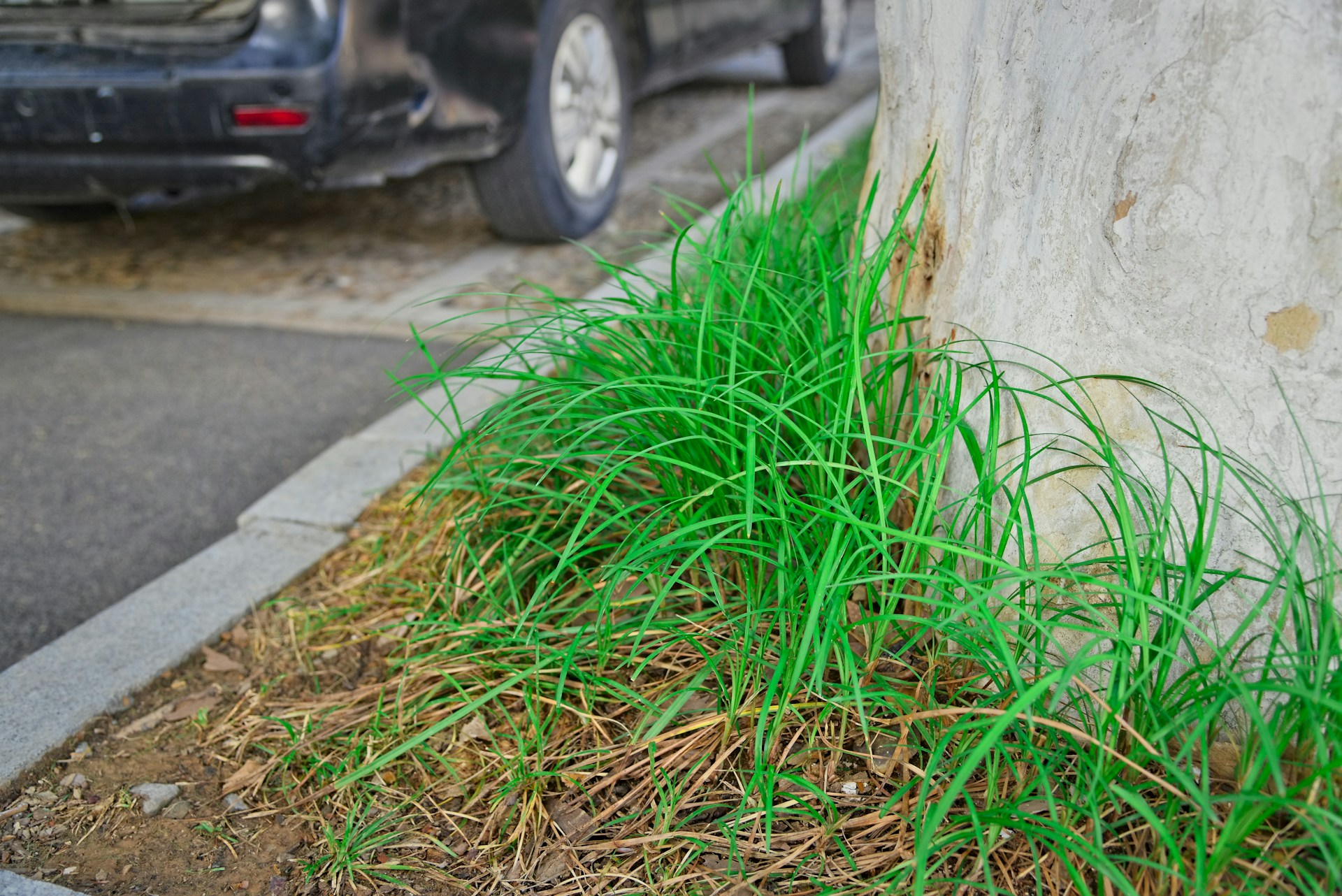
 Photo by Bo Peng on Unsplash
Understanding Why Weeds Appear in Lawns
Weeds are a common problem in residential and commercial lawns, often appearing when grass is weakened or soil conditions are unfavorable. Poor mowing practices, compacted soil, improper watering, and nutrient imbalances create opportunities for weeds to establish and spread. Understanding why weeds invade your lawn is the first step in effective lawn care and long-term weed control.
Weeds thrive in open spaces where grass is thin or damaged. Once established, they compete aggressively with turf for sunlight, water, and nutrients, making it harder for healthy grass to grow and recover.
Identifying Common Lawn Weeds
Successful weed control starts with accurate identification. Broadleaf weeds, grassy weeds, and sedges each require different treatment approaches. Common broadleaf weeds include dandelions, clover, and chickweed, while crabgrass and goosegrass are examples of invasive grassy weeds.
Sedges, such as nutsedge, prefer moist environments and are often mistaken for grass. Correct identification ensures that lawn care treatments target weeds effectively without harming desirable turf.
Preventing Weeds Through Proper Lawn Care
The most effective way to get rid of weeds is to prevent them from growing in the first place. A dense, healthy lawn naturally suppresses weed growth by limiting access to light and space. Proper mowing, watering, and fertilization are essential components of preventative lawn care.
Maintaining the correct mowing height helps grass develop deeper roots and shade the soil surface, making it difficult for weed seeds to germinate.
Mowing Techniques That Reduce Weeds
Mowing too short weakens grass and exposes soil, encouraging weed growth. Keeping grass at the recommended height for its species improves turf density and resilience. Sharp mower blades create clean cuts that reduce stress on grass plants.
Regular mowing also prevents weeds from producing seeds, limiting their ability to spread throughout the lawn.
Watering Practices for Weed Control
Improper watering is a major contributor to weed problems. Frequent, shallow watering promotes shallow-rooted weeds and weak grass. Deep and infrequent watering encourages strong root systems that outcompete weeds.
Watering early in the morning reduces evaporation and fungal issues, supporting healthy turf growth while minimizing conditions favorable to weeds.
Soil Health and Weed Resistance
Healthy soil plays a critical role in weed prevention. Compacted soil restricts root growth and creates ideal conditions for invasive plants. Core aeration improves soil structure, allowing grass roots to access water and nutrients more effectively.
Soil testing helps identify pH imbalances and nutrient deficiencies that may favor weeds. Correcting these issues creates an environment where turfgrass thrives and weeds struggle to survive.
Using Pre-Emergent Weed Control
Pre-emergent herbicides are designed to prevent weed seeds from germinating. These treatments are especially effective against annual weeds such as crabgrass. Timing is critical, as pre-emergents must be applied before weed seeds begin to grow.
Proper application as part of a lawn care program provides long-lasting weed prevention without harming established grass.
Post-Emergent Weed Removal Methods
Post-emergent weed control targets weeds that are already growing in the lawn. Spot treatments allow homeowners to address problem areas without applying chemicals across the entire lawn.
Manual removal can be effective for small infestations, especially when weeds are pulled from moist soil to ensure complete root removal.
Organic and Natural Weed Control Options
Many homeowners prefer organic lawn care methods to reduce chemical use. Natural weed control techniques include improving soil health, overseeding thin areas, and using organic herbicides derived from natural ingredients.
While organic methods may require more time and consistency, they contribute to long-term lawn health and environmental sustainability.
Overseeding to Crowd Out Weeds
Overseeding introduces new grass seed into existing lawns, increasing turf density and reducing open space for weeds. This technique is especially effective after weed removal or during seasonal lawn renovation.
Selecting grass varieties compatible with existing turf ensures uniform growth and improved weed resistance.
Dealing With Persistent and Invasive Weeds
Some weeds are particularly aggressive and require repeated treatments to control. Perennial weeds with deep root systems can survive initial removal and return if not fully eradicated.
Consistent lawn care practices and targeted treatments are essential to managing persistent weed problems and preventing reinfestation.
Seasonal Weed Control Strategies
Weed control varies by season, with different weeds emerging at different times of the year. Spring and fall are critical periods for preventive lawn care, while summer requires ongoing monitoring and spot treatment.
Adapting weed control strategies to seasonal conditions improves effectiveness and reduces unnecessary lawn stress.
When to Hire Professional Lawn Care Services
Many homeowners search for lawn care near me when weed problems become overwhelming. Professional lawn care services offer expertise, specialized equipment, and proven treatment plans that deliver reliable results.
Local lawn care professionals understand regional weed species and climate conditions, allowing them to implement targeted solutions that restore lawn health and appearance efficiently.
Maintaining a Weed-Free Lawn Long Term
Getting rid of weeds in your lawn is not a one-time task but an ongoing process. Consistent lawn care practices, regular monitoring, and timely interventions are essential for long-term success.
With proper maintenance, healthy soil, and informed weed control strategies, homeowners can achieve a lush, weed-free lawn that enhances curb appeal and supports overall landscape health.