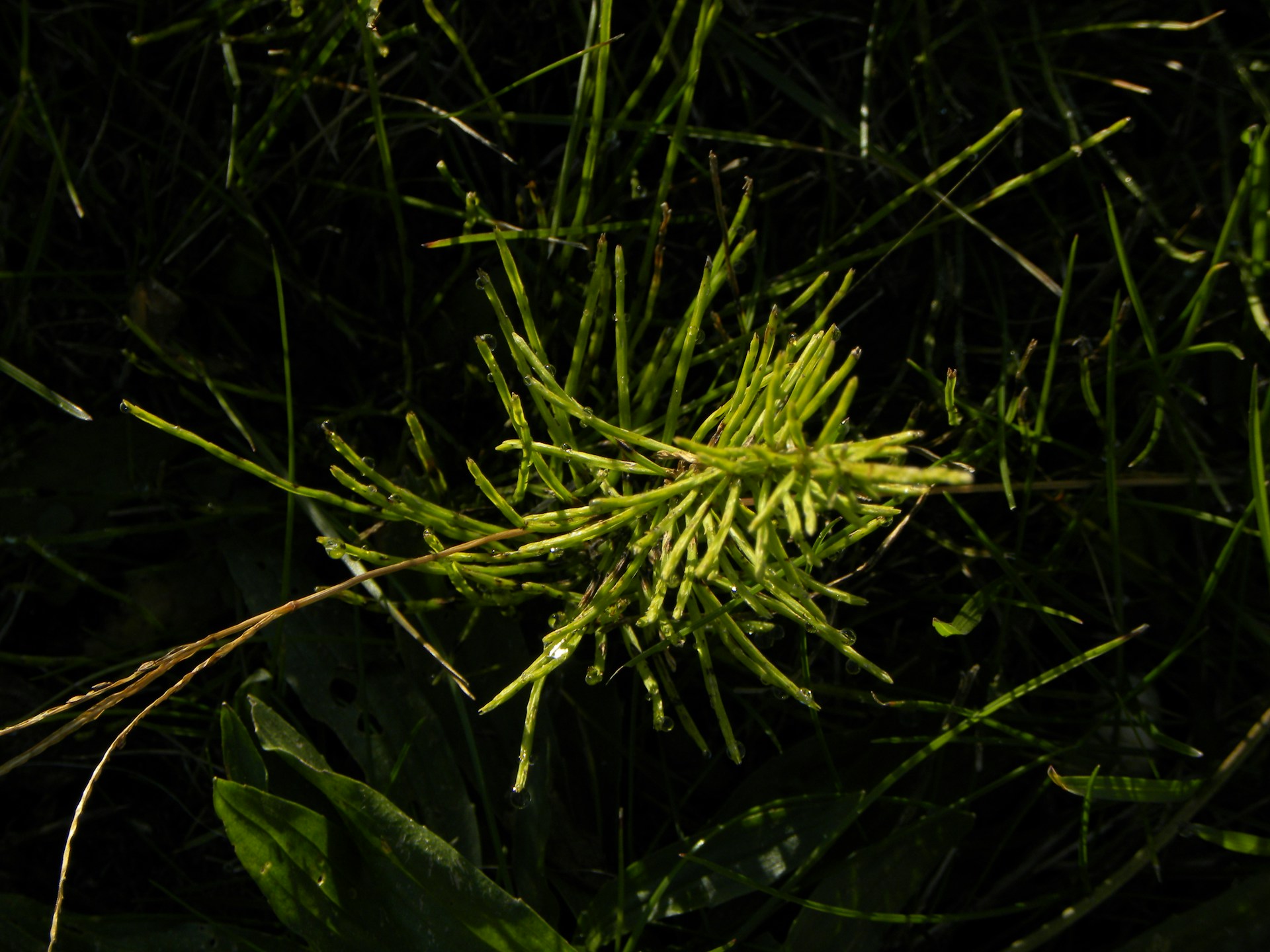
 Photo by Doug R. W. Dunigan on Unsplash
What Crabgrass Is and Why It Takes Over Lawns
Crabgrass is an aggressive annual weed that commonly invades residential lawns, commercial landscapes, and neglected turf areas. It thrives in warm conditions and begins to germinate when soil temperatures consistently reach approximately 55°F (13°C). Unlike healthy turfgrass, crabgrass grows low and spreads outward, forming wide clumps that choke surrounding grass. Once established, it competes heavily for water, nutrients, and sunlight, weakening the overall lawn structure.
The appearance of crabgrass is often a symptom of deeper lawn care problems. Thin turf, compacted soil, improper mowing height, poor drainage, and inconsistent watering all create ideal conditions for crabgrass growth. Bare spots in the lawn allow sunlight to hit the soil directly, triggering crabgrass seed germination. Because one crabgrass plant can produce thousands of seeds, ignoring even a small outbreak can lead to a widespread infestation in future seasons.
How to Eliminate Existing Crabgrass
Once crabgrass has emerged, effective removal requires timely and targeted action. Post-emergent herbicides formulated specifically for crabgrass are the most efficient solution for moderate to severe infestations. These products work best when applied to young, actively growing crabgrass plants. Applying treatments during hot, dry conditions should be avoided, as stressed turfgrass may be more susceptible to damage.
For small or isolated patches, manual removal can be an effective option. Crabgrass is easier to pull when the soil is moist, as this helps ensure the entire root system is removed. However, hand-pulling is labor-intensive and generally impractical for large lawns or widespread infestations. Any removed plants should be disposed of properly to prevent seed dispersal.
In cases where crabgrass has spread extensively, a combination of spot treatments and improved lawn maintenance practices is necessary. Simply killing crabgrass without strengthening the surrounding turf will result in repeated outbreaks, as new seeds in the soil will continue to germinate.
Preventing Crabgrass Before It Starts
The most effective crabgrass control strategy is prevention. Pre-emergent herbicides are designed to stop crabgrass seeds from germinating before they break through the soil surface. These products create a protective barrier that disrupts seed development. Timing is critical, as pre-emergents must be applied before crabgrass seeds begin to grow. Late application significantly reduces their effectiveness.
Pre-emergent treatments should be evenly distributed across the lawn and watered in according to product instructions. It is important to note that overseeding should not be done immediately after applying pre-emergents, as they can also prevent desirable grass seed from germinating. Planning lawn treatments carefully ensures both weed prevention and healthy turf establishment.
Long-Term Lawn Care Strategies for Crabgrass Control
A thick, healthy lawn is the best natural defense against crabgrass. Proper mowing practices play a crucial role in long-term weed prevention. Grass should be kept at the recommended height for its species, as taller blades shade the soil and reduce crabgrass seed germination. Cutting grass too short weakens turf and exposes soil, creating ideal conditions for weeds.
Watering habits also influence crabgrass growth. Deep, infrequent watering encourages strong turfgrass root systems, while shallow, frequent watering promotes weed development. Fertilization should be done based on soil needs and seasonal requirements to support steady grass growth without overstimulating weeds.
Soil aeration helps relieve compaction and improves the flow of air, water, and nutrients to grass roots. Aerated soil supports deeper root growth and reduces the likelihood of crabgrass establishing itself. Overseeding thin areas further strengthens turf density, leaving little room for weeds to take hold.
Maintaining a Crabgrass-Free Lawn Year After Year
Eliminating crabgrass is not a one-time task but an ongoing lawn care process. Regular inspections allow early detection of problem areas before infestations spread. Combining preventive treatments with consistent mowing, watering, fertilization, and soil care creates a resilient lawn that naturally resists crabgrass.
Homeowners who maintain proper lawn care routines often find that chemical treatments become less necessary over time. A dense, well-nourished lawn not only improves curb appeal but also reduces long-term maintenance costs. With a strategic approach and consistent care, crabgrass can be effectively controlled, resulting in a healthier, greener lawn throughout the growing season.