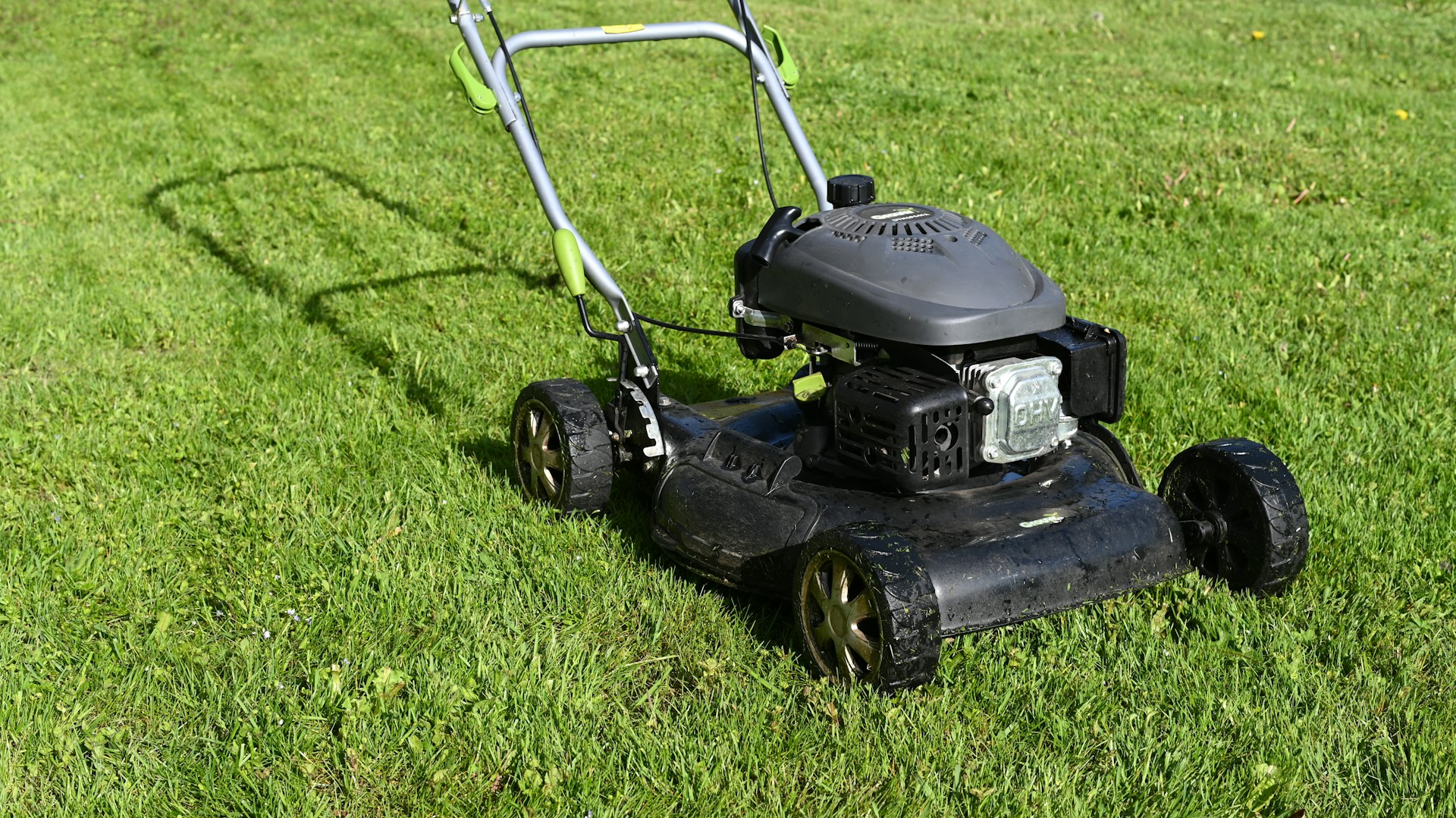
 Photo by Andres Siimon on Unsplash
Why Mowing Frequency Matters
Mowing frequency is one of the most important factors in maintaining a healthy and attractive lawn. Cutting grass too often or too infrequently can weaken turf, stress root systems, and create favorable conditions for weeds and disease. Understanding how often you should mow your lawn helps promote steady growth, consistent color, and long-term resilience.
Grass responds directly to mowing habits. Proper frequency encourages thicker turf, deeper roots, and improved resistance to environmental stress. Poor mowing practices can result in thin grass, uneven growth, and reduced curb appeal.
General Rule for Lawn Mowing
A widely accepted guideline for mowing is the one-third rule. This rule states that no more than one-third of the grass blade should be removed during a single mowing session. Following this principle prevents shock and allows grass to recover quickly.
Applying the one-third rule often determines mowing frequency. During periods of active growth, lawns may require more frequent mowing, while slower growth periods require less.
How Grass Type Affects Mowing Frequency
Different grass species grow at different rates and have unique mowing requirements. Cool-season grasses typically grow faster in spring and fall, while warm-season grasses grow most actively during summer.
Cool-season grasses often require mowing once or twice per week during peak growth. Warm-season grasses may need weekly mowing during summer but less frequent cuts during cooler months.
Seasonal Changes and Mowing Schedule
Seasonal conditions play a major role in determining how often to mow. In spring, rapid growth may require mowing every five to seven days. Summer heat can slow growth, allowing mowing intervals to extend.
In fall, growth may increase again for cool-season grasses, requiring more frequent mowing. During winter dormancy, mowing is typically unnecessary.
Lawn Growth Rate and Environmental Factors
Several environmental factors influence grass growth rate and mowing frequency. These include rainfall, temperature, sunlight exposure, soil fertility, and irrigation practices.
Lawns receiving regular watering and fertilization tend to grow faster and require more frequent mowing. Shaded or drought-stressed lawns may grow more slowly and need less frequent cuts.
Recommended Mowing Frequency by Condition
- Fast growth periods: Mow every five to seven days to maintain proper height.
- Moderate growth periods: Mow every seven to ten days.
- Slow growth or drought conditions: Mow every ten to fourteen days as needed.
Importance of Proper Mowing Height
Mowing frequency works hand in hand with mowing height. Cutting grass too short, regardless of frequency, weakens turf and increases stress. Maintaining the recommended height for your grass type supports photosynthesis and root strength.
Taller grass shades soil, retains moisture, and suppresses weed growth. Adjusting mowing height seasonally helps the lawn adapt to changing conditions.
Signs You Are Mowing Too Often or Not Enough
Lawns that are mowed too often may appear scalped, stressed, or discolored. Frequent short cuts reduce the plant’s ability to recover and store energy.
Lawns that are not mowed often enough may look uneven, produce seed heads, and become difficult to manage without breaking the one-third rule. Observing lawn appearance helps determine whether adjustments are needed.
Equipment Condition and Mowing Efficiency
The condition of mowing equipment affects how often and how effectively lawns should be mowed. Sharp blades produce clean cuts that heal quickly, reducing disease risk.
Dull blades tear grass, causing frayed edges and discoloration. Maintaining equipment ensures consistent results and healthier turf.
Benefits of a Consistent Mowing Schedule
Maintaining a consistent mowing schedule promotes uniform growth and a polished appearance. Regular mowing encourages lateral growth, creating a dense and visually appealing lawn.
Consistency also simplifies lawn care routines, reduces weed pressure, and enhances overall turf durability.
Adjusting Mowing Frequency for Long-Term Lawn Health
There is no single mowing schedule that fits every lawn. Homeowners should adjust mowing frequency based on grass type, seasonal conditions, and lawn response.
By monitoring growth patterns and following best practices, homeowners can develop an effective mowing routine that supports lawn health, appearance, and long-term sustainability.