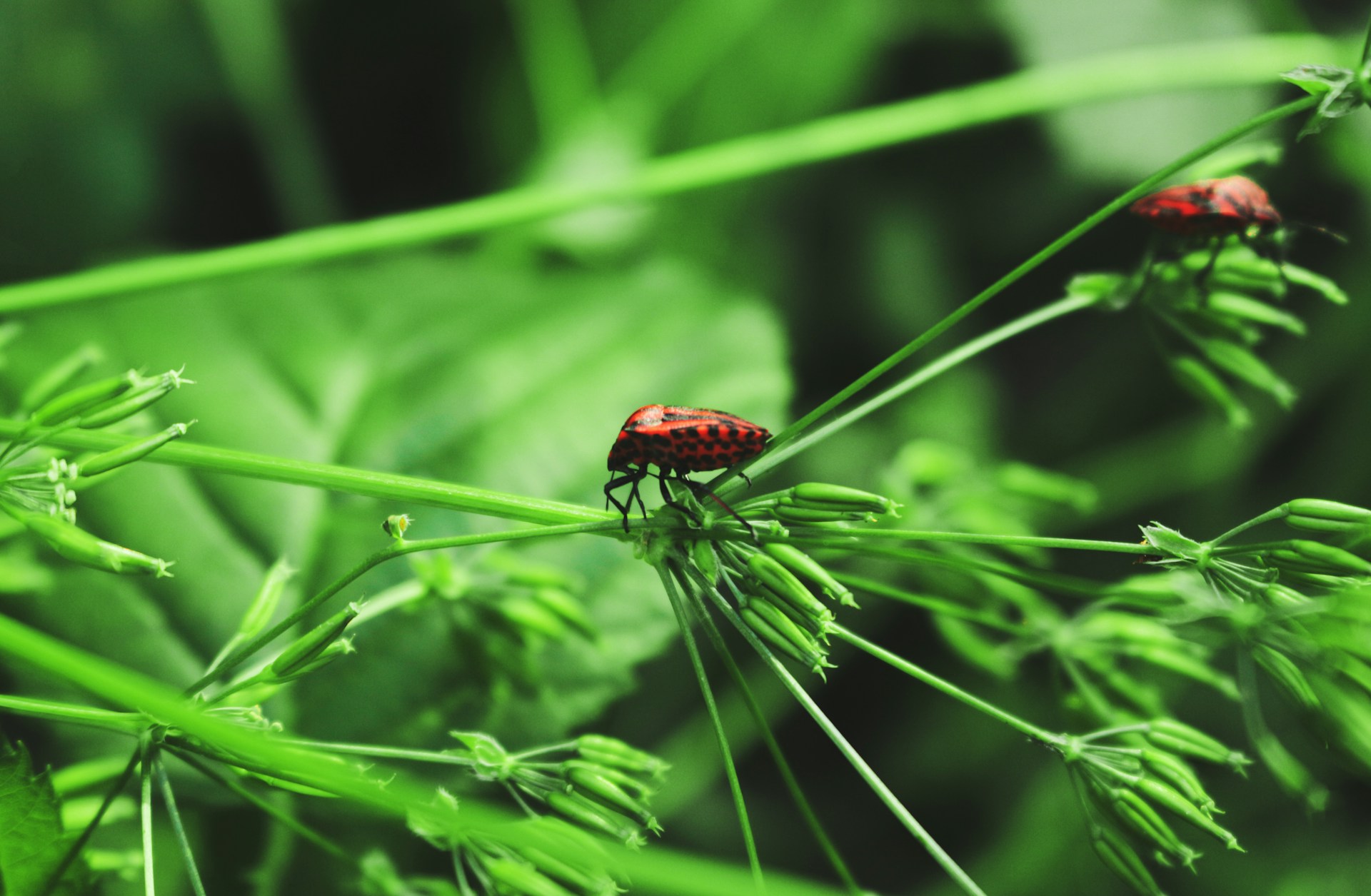
 Photo by Milos Lopusina on Unsplash
Understanding Grub Damage in Lawns
Grub damage in lawns is one of the most common and destructive turf problems faced by homeowners. Grubs are the larval stage of beetles such as Japanese beetles, June beetles, and chafer beetles. These pests live beneath the soil surface and feed on grass roots, cutting off the turf’s ability to absorb water and nutrients. As a result, lawns become weak, discolored, and highly vulnerable to further stress.
Because grub activity occurs underground, damage often goes unnoticed until it becomes severe. By the time symptoms appear on the surface, the root system may already be compromised. Understanding how grubs affect turf is the first step toward effective lawn recovery and long-term prevention.
Common Signs of Grub Infestation
Recognizing early signs of grub damage can save time, money, and lawn health. Grub infestations usually appear as irregular patches of stressed or dying grass that do not respond to watering or fertilization.
Brown or yellow patches are often the first visible sign. These areas expand quickly and may resemble drought stress.
Loose or spongy turf is another key indicator. Grass affected by grubs can be easily pulled up because the roots have been eaten.
Increased animal activity, such as birds, raccoons, or skunks digging into the lawn, often signals the presence of grubs beneath the surface.
Thinning grass and uneven lawn texture can also suggest root damage caused by feeding larvae.
Why Grubs Damage Lawns So Quickly
Grubs feed aggressively during their most active growth stages, typically in late summer and early fall. During this period, they consume large portions of grass roots, preventing the turf from anchoring itself to the soil. Without a healthy root system, grass cannot survive heat, drought, or foot traffic.
Lawns with poor soil health, excessive thatch, or overwatering are especially susceptible to grub infestations. These conditions create an ideal environment for beetles to lay eggs and for larvae to thrive.
How to Confirm Grub Damage
Before applying treatments, it is important to confirm that grubs are the cause of lawn damage. Many turf problems share similar symptoms, including fungal disease and drought stress.
To check for grubs, cut three sides of a square section of turf and gently peel it back. If you find more than five grubs per square foot, treatment is usually necessary. Proper identification ensures that corrective measures target the real problem and avoid unnecessary applications.
Immediate Steps to Fix Grub Damage
Once grub damage is confirmed, fast action is required to stop further destruction and help the lawn recover.
- Apply a curative grub control product designed to eliminate active larvae in the soil.
- Water the lawn deeply after treatment to move the product into the root zone where grubs feed.
- Remove severely damaged turf that cannot recover and prepare the soil for reseeding or sod.
- Overseed affected areas with grass varieties suited to local climate and soil conditions.
- Limit foot traffic to allow new roots to establish and strengthen.
These steps help stabilize the lawn while reducing the risk of additional stress during recovery.
Restoring Lawn Health After Grub Damage
Fixing grub damage goes beyond eliminating the pests. Restoring soil structure and root development is essential for long-term lawn health.
Aeration improves oxygen flow, reduces compaction, and encourages deeper root growth.
Balanced fertilization provides essential nutrients needed for regrowth without overstimulating weak turf.
Proper watering supports new grass establishment while avoiding excess moisture that could attract future pests.
Combining these practices helps damaged lawns recover faster and regain density and resilience.
Preventing Future Grub Infestations
Prevention is the most effective strategy for protecting lawns from recurring grub damage. Preventive treatments target beetle larvae before they begin feeding on roots.
Preventive grub control applications are typically applied in late spring or early summer, interrupting the grub life cycle.
Healthy mowing practices, including proper height and sharp blades, reduce turf stress and improve resistance.
Thatch management removes the layer where beetles prefer to lay eggs.
Soil health improvement through organic matter and proper pH balance discourages pest activity and strengthens grass roots.
Natural and Organic Grub Control Options
For homeowners seeking environmentally friendly solutions, natural grub control methods can be effective when applied correctly.
Beneficial nematodes attack and eliminate grubs in the soil without harming grass, pets, or beneficial insects.
Milky spore targets Japanese beetle grubs and provides long-term control when established in the soil.
Improved lawn diversity and soil biology create conditions less favorable for large-scale infestations.
Long-Term Lawn Protection Strategy
Grub damage is often a symptom of underlying lawn health issues. A comprehensive lawn care strategy that includes proper maintenance, seasonal monitoring, and preventive treatments offers the best protection.
By addressing grub damage promptly and focusing on soil health, mowing, watering, and pest prevention, homeowners can restore damaged lawns and maintain strong, green turf year after year. Effective grub control not only fixes existing problems but also ensures long-term lawn resilience and visual appeal.