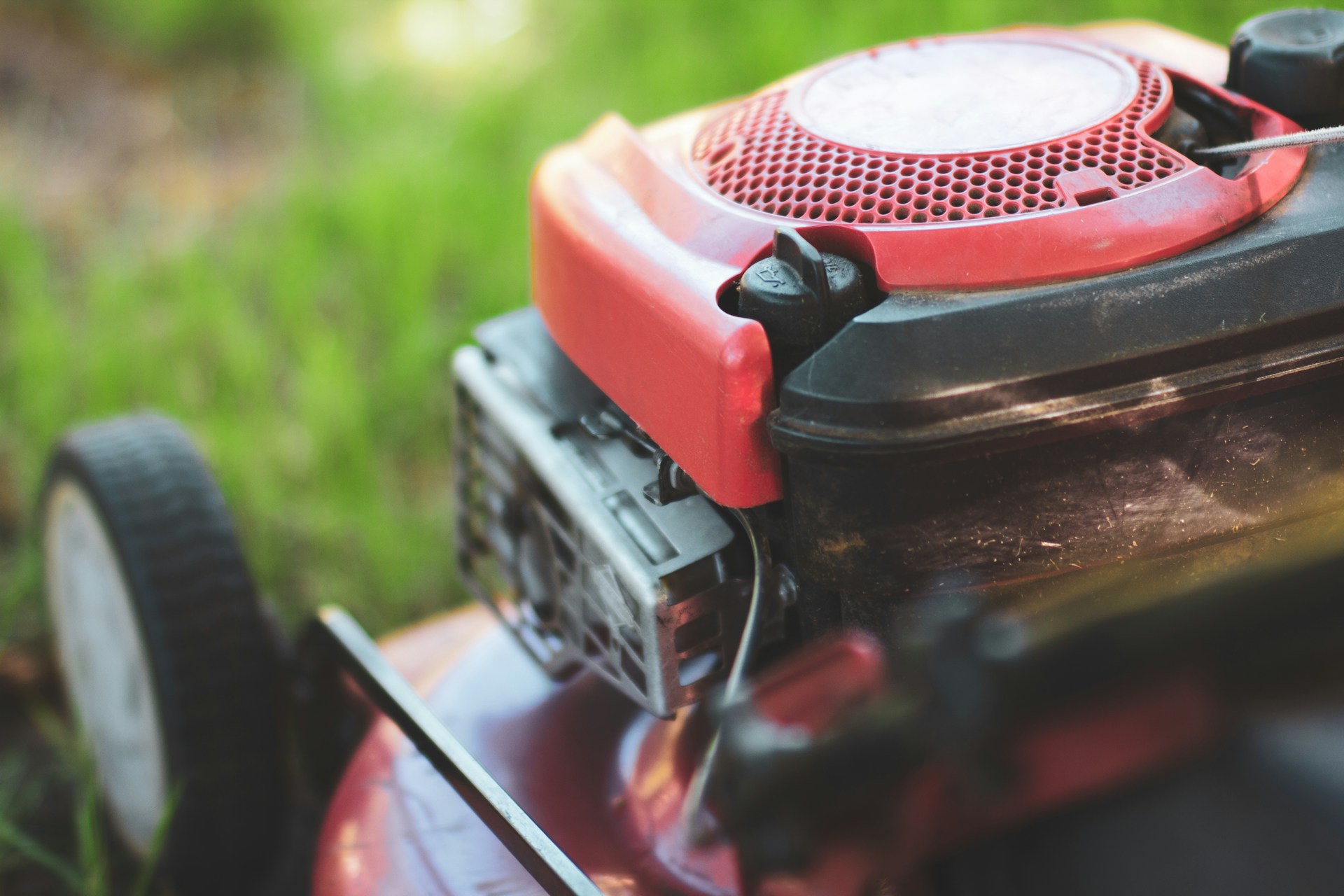
 Photo by Maciej Karoń on Unsplash
Understanding Lawn Mower Power Options
Choosing between electric and gas lawn mowers is one of the most important decisions homeowners make when investing in lawn care equipment. Each option offers distinct advantages and limitations that directly affect performance, maintenance, cost, and environmental impact. Understanding how electric and gas lawn mowers differ helps homeowners select the best solution for their lawn size, terrain, and long-term maintenance goals.
Modern lawn care has evolved significantly, with electric mowers gaining popularity due to advancements in battery technology, while gas mowers continue to be valued for their raw power and reliability. The right choice depends on practical considerations such as mowing frequency, yard conditions, noise tolerance, and sustainability preferences.
Electric Lawn Mowers Explained
Electric lawn mowers include both corded and cordless battery-powered models. Cordless electric mowers have become especially popular because they offer mobility without the noise, emissions, or fuel requirements associated with gas engines. These mowers are designed for efficiency, convenience, and ease of use, making them ideal for small to medium-sized residential lawns.
Battery-powered lawn mowers use lithium-ion batteries that provide consistent cutting power, fast charging times, and longer runtimes than earlier generations. Many modern electric mowers deliver performance comparable to gas models while requiring significantly less maintenance.
Advantages of Electric Lawn Mowers
Electric lawn mowers offer several benefits that appeal to homeowners focused on convenience and sustainability. Their simplified operation and reduced upkeep make them especially attractive for busy households.
- Low Maintenance – No oil changes, spark plugs, fuel mixing, or engine tuning required.
- Quiet Operation – Electric mowers produce significantly less noise, making them ideal for residential neighborhoods.
- Eco-Friendly – Zero direct emissions contribute to cleaner air and a smaller environmental footprint.
- Easy Startup – Push-button or key start eliminates pull cords and cold-start issues.
- Lightweight Design – Easier to maneuver and store, especially for homeowners with limited space.
Limitations of Electric Lawn Mowers
Despite their advantages, electric lawn mowers are not ideal for every situation. Their performance depends largely on battery capacity or access to electrical outlets, which can limit usability for larger or more demanding lawns.
- Battery Runtime – Larger lawns may require multiple batteries or recharging mid-job.
- Power Constraints – Extremely thick, tall, or wet grass can challenge lower-powered electric models.
- Upfront Cost – High-capacity batteries and premium models may have higher initial prices.
- Cold Weather Sensitivity – Battery performance can decline in colder temperatures.
Gas Lawn Mowers Explained
Gas lawn mowers have long been the standard choice for residential and commercial lawn care. Powered by internal combustion engines, these mowers deliver consistent cutting performance regardless of grass density or terrain conditions. Gas mowers are often preferred for large yards, uneven landscapes, and heavy-duty mowing tasks.
Available in push, self-propelled, and riding configurations, gas-powered mowers provide flexibility and strength that many homeowners still rely on for demanding lawn care needs.
Advantages of Gas Lawn Mowers
Gas lawn mowers remain popular because of their proven reliability and ability to handle challenging conditions. Their powerful engines offer benefits that electric mowers may struggle to match in certain scenarios.
- High Cutting Power – Easily handles thick grass, weeds, and overgrown lawns.
- Unlimited Runtime – Refueling allows continuous mowing without waiting for batteries to recharge.
- Better for Large Lawns – Ideal for properties with extensive square footage.
- Terrain Versatility – Performs well on slopes, uneven ground, and rough landscapes.
- Wide Availability – Many models, parts, and service options are widely accessible.
Drawbacks of Gas Lawn Mowers
While powerful, gas lawn mowers require more ongoing attention and come with environmental and operational trade-offs. These factors are increasingly influencing homeowner purchasing decisions.
- Higher Maintenance – Requires oil changes, fuel stabilization, filter replacement, and engine upkeep.
- Noise Levels – Louder operation can be disruptive in residential areas.
- Fuel Costs – Gasoline expenses add to long-term ownership costs.
- Emissions – Produces exhaust fumes that impact air quality.
- Heavier Weight – Can be more difficult to maneuver and store.
Cost Comparison: Electric vs Gas Lawn Mowers
When comparing electric vs gas lawn mowers, cost should be evaluated beyond the initial purchase price. Electric mowers may cost more upfront, especially battery-powered models with extended runtimes, but they typically cost less to operate over time due to minimal maintenance and no fuel requirements.
Gas mowers often have lower entry-level prices, but ongoing expenses for fuel, oil, and repairs can accumulate significantly over the lifespan of the mower. Homeowners should consider total cost of ownership rather than purchase price alone.
Environmental Impact and Sustainability
Electric lawn mowers offer a clear advantage in terms of environmental sustainability. They produce no direct emissions and contribute less noise pollution, making them a more eco-conscious choice. Many homeowners choose electric models to align with green lawn care practices and reduce their carbon footprint.
Gas lawn mowers, while powerful, contribute to air and noise pollution. However, newer engine designs have improved efficiency and reduced emissions compared to older models. Still, electric mowers remain the cleaner option for environmentally conscious lawn care.
Which Lawn Mower Is Best for Your Lawn?
The best lawn mower depends on individual lawn characteristics and homeowner priorities. Electric lawn mowers are ideal for small to medium-sized lawns, flat terrain, and homeowners who value quiet operation, ease of use, and low maintenance. Gas lawn mowers are better suited for large properties, challenging terrain, and situations where maximum cutting power is required.
Assessing lawn size, grass type, mowing frequency, and storage space will help determine which mower delivers the best long-term results and value.
Final Thoughts on Electric vs Gas Lawn Mowers
Both electric and gas lawn mowers have a place in modern lawn care. Electric mowers continue to gain ground as battery technology improves and sustainability becomes a priority, while gas mowers remain a dependable choice for heavy-duty applications. Understanding the strengths and limitations of each option allows homeowners to make informed decisions that support healthy lawns, efficient maintenance, and overall satisfaction with their lawn care equipment.