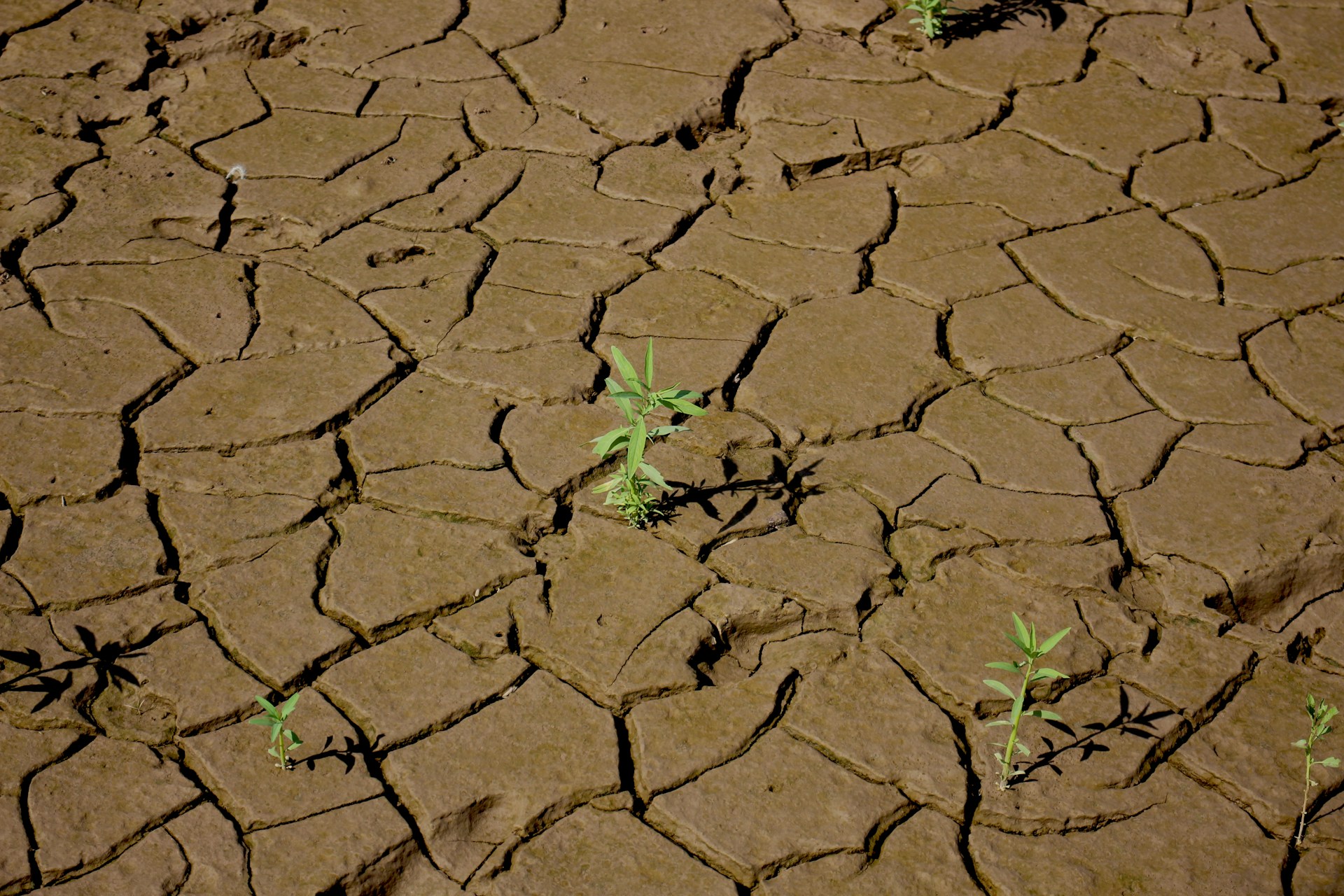
 Photo by Jinson Nguyen on Unsplash
Understanding Drought-Resistant Lawn Care
Drought-resistant lawn care focuses on maintaining healthy, attractive turf while significantly reducing water usage. As water restrictions become more common and climate patterns shift toward longer dry periods, homeowners and property managers increasingly seek lawn care solutions that conserve water without sacrificing curb appeal. A drought-tolerant lawn is designed to survive extended dry conditions while remaining resilient, functional, and visually appealing.
Effective drought-resistant lawn care combines smart grass selection, soil improvement, efficient irrigation, and proper maintenance practices. Rather than relying on frequent watering, these solutions emphasize deep root development and moisture retention within the soil.
Choosing Drought-Tolerant Grass Varieties
One of the most important steps in drought-resistant lawn care is selecting grass species that naturally require less water. Warm-season grasses such as Bermuda grass, Zoysia grass, and Buffalo grass are known for their ability to withstand heat and drought conditions. In cooler regions, tall fescue and fine fescue varieties offer better drought tolerance than traditional bluegrass.
Native grass species are often the most drought-resistant option because they are adapted to local climate conditions. These grasses typically develop deeper root systems, allowing them to access moisture stored deeper in the soil.
Improving Soil for Water Efficiency
Healthy soil is the foundation of drought-resistant lawn care. Compacted or nutrient-poor soil limits root growth and reduces the soil’s ability to retain moisture. Aeration helps loosen compacted soil, improving water penetration and oxygen flow to the roots.
Incorporating organic matter such as compost increases soil structure and enhances its water-holding capacity. Well-conditioned soil allows grass to remain hydrated longer between watering cycles, reducing overall water demand.
Efficient Watering Strategies
Watering practices play a critical role in drought-resistant lawn care. Shallow, frequent watering encourages shallow roots that dry out quickly. In contrast, deep and infrequent watering promotes deeper root growth, making the lawn more resilient during drought periods.
The best time to water is early morning, when evaporation rates are low and grass blades can dry before evening. Smart irrigation systems and rain sensors further improve efficiency by adjusting watering schedules based on weather conditions.
Mulching and Moisture Retention
Grass clippings act as a natural mulch when left on the lawn after mowing. This practice, known as grasscycling, helps retain moisture, reduce evaporation, and return nutrients to the soil. Mulching around lawn edges and landscaped areas also helps prevent soil from drying out too quickly.
Organic mulches such as shredded bark or compost protect soil from extreme temperatures while improving long-term moisture retention.
Mowing Practices for Drought Resistance
Mowing height has a significant impact on water conservation. Taller grass blades provide shade to the soil, reducing evaporation and protecting roots from heat stress. Cutting grass too short weakens turf and increases water loss.
Sharp mower blades ensure clean cuts, minimizing stress on grass plants. Adjusting mowing frequency during drought conditions helps the lawn conserve energy and moisture.
Fertilization for Drought-Tolerant Lawns
Proper fertilization supports strong root systems, which are essential for drought resistance. Over-fertilizing can cause excessive top growth, increasing water demand and stress during dry periods.
Slow-release fertilizers and organic nutrients provide steady nourishment without forcing rapid growth. Soil testing helps determine the correct nutrient balance, ensuring the lawn receives exactly what it needs for drought resilience.
Weed Control in Low-Water Lawns
Weeds compete with grass for water and nutrients, making weed control an essential part of drought-resistant lawn care. A dense, healthy lawn naturally suppresses many weeds by limiting available space and resources.
Targeted weed control methods, including manual removal and spot treatments, reduce competition without increasing water usage or stressing desirable turf.
Reducing Lawn Size for Water Conservation
Many homeowners improve drought resistance by reducing the total area of traditional turf. Replacing sections of lawn with drought-tolerant ground covers, decorative gravel, or native plants significantly lowers water consumption.
Strategic lawn design focuses water usage where it matters most, such as high-visibility areas, while minimizing maintenance in low-traffic zones.
Seasonal Lawn Care Adjustments During Drought
Drought-resistant lawn care requires seasonal adjustments to maintenance routines. During extreme heat or water restrictions, lawns may enter a natural state of dormancy. Dormant grass often turns brown but remains alive and recovers when water becomes available.
Avoiding heavy foot traffic and delaying aggressive treatments during dormancy helps protect the lawn until conditions improve.
Long-Term Benefits of Drought-Resistant Lawn Care
Implementing drought-resistant lawn care solutions offers long-term benefits beyond water conservation. Reduced water bills, lower maintenance costs, and improved environmental sustainability make these practices increasingly attractive to homeowners.
Drought-tolerant lawns are more resilient to climate extremes, requiring fewer interventions and providing consistent curb appeal even under challenging conditions.
Professional Drought-Resistant Lawn Care Services
Many homeowners search for lawn care near me to find professionals experienced in drought-resistant solutions. Local lawn care providers understand regional climate patterns, soil types, and grass varieties, allowing them to create customized water-efficient lawn care plans.
Professional lawn care services can evaluate existing lawns, recommend improvements, and implement proven drought-resistant strategies that ensure long-term lawn health while conserving valuable water resources.