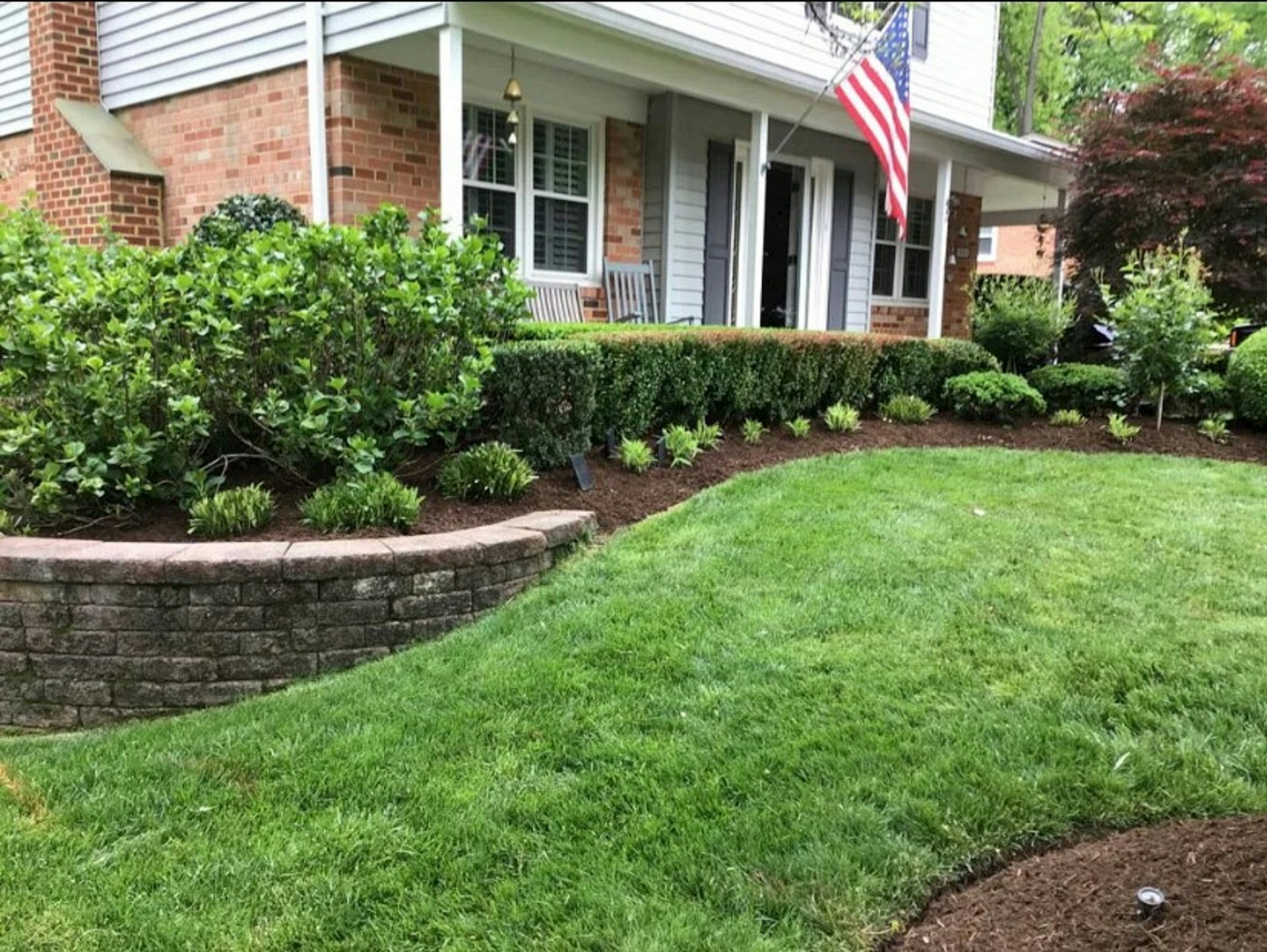
 Photo by MowCow Lawn & Landscape on Unsplash
Understanding Lawn Maintenance
Lawn maintenance refers to the routine and ongoing tasks required to keep a lawn healthy, clean, and visually consistent. It focuses on preserving the existing grass and preventing common problems such as weeds, pests, bare spots, and uneven growth. Lawn maintenance is primarily concerned with consistency, turf health, and basic curb appeal rather than design or structural changes.
Typical lawn maintenance activities include regular mowing, edging, watering, fertilizing, weed control, pest management, aeration, and seasonal cleanups. These tasks are usually performed on a recurring schedule, weekly or biweekly, depending on climate and grass type.
What Landscaping Involves
Landscaping is a broader and more strategic discipline that goes beyond grass care. It involves the design, installation, and transformation of outdoor spaces to improve aesthetics, functionality, and property value. Landscaping often includes both softscape and hardscape elements.
Softscape elements include plants, trees, shrubs, flower beds, sod installation, and mulch. Hardscape elements include patios, walkways, retaining walls, stone features, irrigation systems, lighting, and decorative structures. Landscaping is often project-based rather than recurring.
Core Differences in Scope
The most significant difference between lawn maintenance and landscaping lies in scope. Lawn maintenance is narrow and focused on turf preservation, while landscaping encompasses the entire outdoor environment.
- Lawn Maintenance: Focuses on grass health, uniform appearance, and routine care.
- Landscaping: Focuses on design, layout, installation, and overall outdoor transformation.
Routine Services vs. One-Time Projects
Lawn maintenance is typically a recurring service performed throughout the growing season. It ensures that the lawn remains in good condition over time and responds to seasonal changes. Consistency is the key objective.
Landscaping, on the other hand, often involves one-time or infrequent projects. Examples include installing new garden beds, redesigning the yard layout, building hardscape features, or planting trees. While landscaping may include ongoing care, its primary purpose is structural and aesthetic change.
Skill Sets and Expertise
Lawn maintenance professionals specialize in turf management, soil health, and seasonal grass care. Their expertise revolves around fertilizers, mowing practices, weed control methods, and pest treatments.
Landscaping professionals typically possess design knowledge, horticultural expertise, construction skills, and spatial planning abilities. They work with blueprints, drainage considerations, plant selection, and material installation to create cohesive outdoor environments.
Impact on Property Appearance
Lawn maintenance ensures that a property looks neat, clean, and well-kept. A freshly mowed and edged lawn improves curb appeal and creates a positive first impression. However, it does not fundamentally change the layout or design of the yard.
Landscaping has a more dramatic visual impact. Thoughtful landscaping can completely transform a property, define outdoor living spaces, and create a unique identity. It enhances both curb appeal and usability.
Cost Structure and Investment
Lawn maintenance typically involves predictable and relatively lower costs spread over time. Homeowners often pay monthly or seasonal fees for recurring services, making it easier to budget.
Landscaping projects usually require higher upfront investment. Costs vary based on design complexity, materials, labor, and scale. While more expensive initially, landscaping often delivers long-term value and increased property worth.
Seasonal Considerations
Lawn maintenance is highly seasonal and closely tied to grass growth cycles. Spring and summer focus on growth and weed control, while fall emphasizes aeration and preparation for dormancy.
Landscaping can be seasonal as well, but many projects are planned around construction schedules, planting windows, and long-term design goals rather than weekly turf needs.
Relationship to Property Value
Lawn maintenance protects property value by preserving curb appeal and preventing visible neglect. A poorly maintained lawn can quickly reduce perceived home value.
Landscaping actively increases property value by enhancing outdoor functionality and visual appeal. Well-designed landscapes are often associated with higher resale prices and faster sales.
How Lawn Maintenance and Landscaping Work Together
Although different, lawn maintenance and landscaping are complementary. Landscaping establishes the structure and design of an outdoor space, while lawn maintenance preserves and supports that design over time.
A professionally landscaped yard will only retain its value and appearance if regular lawn maintenance is performed. Together, they create a balanced and sustainable outdoor environment.
Choosing the Right Service for Your Needs
Homeowners seeking consistency, cleanliness, and turf health should prioritize lawn maintenance. Those looking to redesign or upgrade their outdoor space should consider landscaping services.
Understanding the difference between lawn maintenance and landscaping helps property owners make informed decisions, allocate budgets effectively, and achieve long-term outdoor goals.